A few concrete blocks will shape the fate of the entire Middle East
A few hundred concrete blocks painted yellow have become central to negotiations over Gaza's future. When hostages returned ten months ago, the IDF controlled 52% of the Gaza Strip.
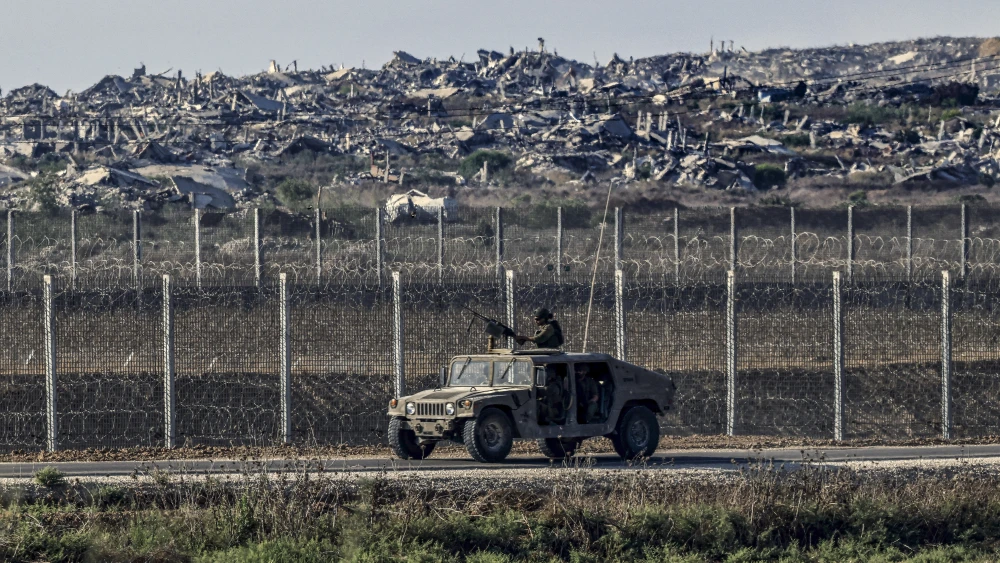
A few hundred concrete blocks painted yellow have become central to negotiations over Gaza's future. When hostages returned ten months ago, the IDF controlled 52% of the Gaza Strip. That figure has since grown to 70%, with the "yellow line" Buffer zone expanding and forcing residents to evacuate repeatedly.
Israel characterizes the expanded control as tactical, widening its troops' firing line against approaching threats rather than representing new territorial gains. The dispute now centers on the gap between original and current positions. Israel maintains Hamas will not disarm and shows no interest in agreements that require withdrawal, citing concerns about a pattern that preceded October 7th. With elections less than three months away, any withdrawal could harm the Likud coalition and invite criticism from multiple political directions.
The United States has proposed moving the concrete blocks back, suggesting it as a temporary tactical adjustment to advance negotiations. Israeli leadership has resisted, and opposition figures have not publicly endorsed such a move. Israel views resolving the Gaza situation as critical to restoring global standing, though not through leaving Hamas in place.
Regarding military capacity, Netanyahu previously stated he would "fight tooth and nail" Against weapons embargoes. However, U.S. Military resources face constraints. The commander of United States European Command warned the Pentagon that available resources cannot simultaneously defend against Iran while protecting both Israel and American forces. Reports indicate the U.S. Army has nearly exhausted its precision missile stock, and specialized bunker-buster bombs are depleted after recent strikes.
Domestically, Israeli elections will likely turn on which opposition figure can consolidate support. Current polling suggests that depending on how votes distribute among several candidates, either a stable government becomes possible or results remain indeterminate. Netanyahu rules out partnerships with specific figures while potentially accepting others. The political landscape remains fluid as multiple candidates position themselves to potentially lead a government alternative to Netanyahu.
Sources