After Michigan, will pro-Israel politics get a ground game?
Michigan's Democratic U.S. Senate primary, which cost $80 million, demonstrated that financial resources alone cannot build political movements.
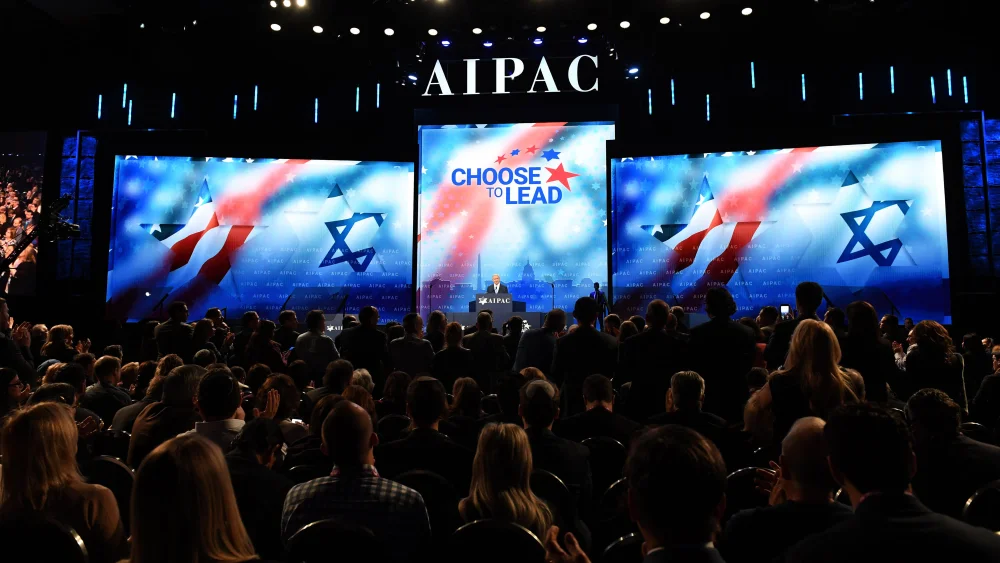
Michigan's Democratic U.S. Senate primary, which cost $80 million, demonstrated that financial resources alone cannot build political movements. Dr. Abdul El-Sayed's narrow victory over pro-Israel Rep. Haley Stevens revealed significant gaps between campaign spending and grassroots organization. Stevens enjoyed a nearly 9:1 media spending advantage according to AdImpact, yet lost to an opponent backed by volunteers, local messengers and established voter relationships that extended beyond Election Day.
The race offers lessons for elected officials, Jewish organizations and political funders. Incumbents should not assume financial advantages protect their seats. Historical precedents include former House leader Eric Cantor's 2014 primary loss despite a 40:1 spending advantage and Rep. Joe Crowley's 2018 defeat to Rep. Alexandria Ocasio-Cortez despite outspending her 18-to-1. Stevens declined to robustly defend her pro-Israel stance when her opponent highlighted AIPAC spending, treating her donors as a vulnerability rather than explaining how Israel's security serves American interests.
Local Jewish organizations in Michigan began turnout efforts only in the final weeks, primarily in Detroit, lacking a unified statewide network. El-Sayed's campaign reported 270,000 voter contacts, 500 events and 12,000 volunteers. Stevens won by fewer than 15,000 votes, demonstrating the organizational deficit's significance among the state's 105,000 Jewish voters.
A Missouri primary offered contrast: Rep. Wesley Bell successfully defended his seat against an anti-AIPAC challenger through combined outside spending and a local coalition that organized through synagogues and community organizations early in the cycle.
For funders, political contributions should generate measurable returns beyond impressions. Building lasting infrastructure - technology platforms, trained organizers and voter data - creates assets that survive campaigns. Without authenticity and sophisticated organization, substantial spending cannot secure victory. The pro-Israel cause faces challenges as ultra-progressive candidates with minimal resources but strong organization increasingly replace incumbents.
Sources