Ancient olive trees burned in Ayalon Canada Park get second life as bonsai trees
More than a year after a wildfire damaged ancient olive trees at Ayalon Canada Park's Olive Tree Recreation Area in Israel, the Keren Kayemeth LeIsrael - Jewish National Fund reports that some trees initially thought lost have survived. The damaged trees are now undergoing rehabilitation with the goal of becoming bonsai specimens for public display.
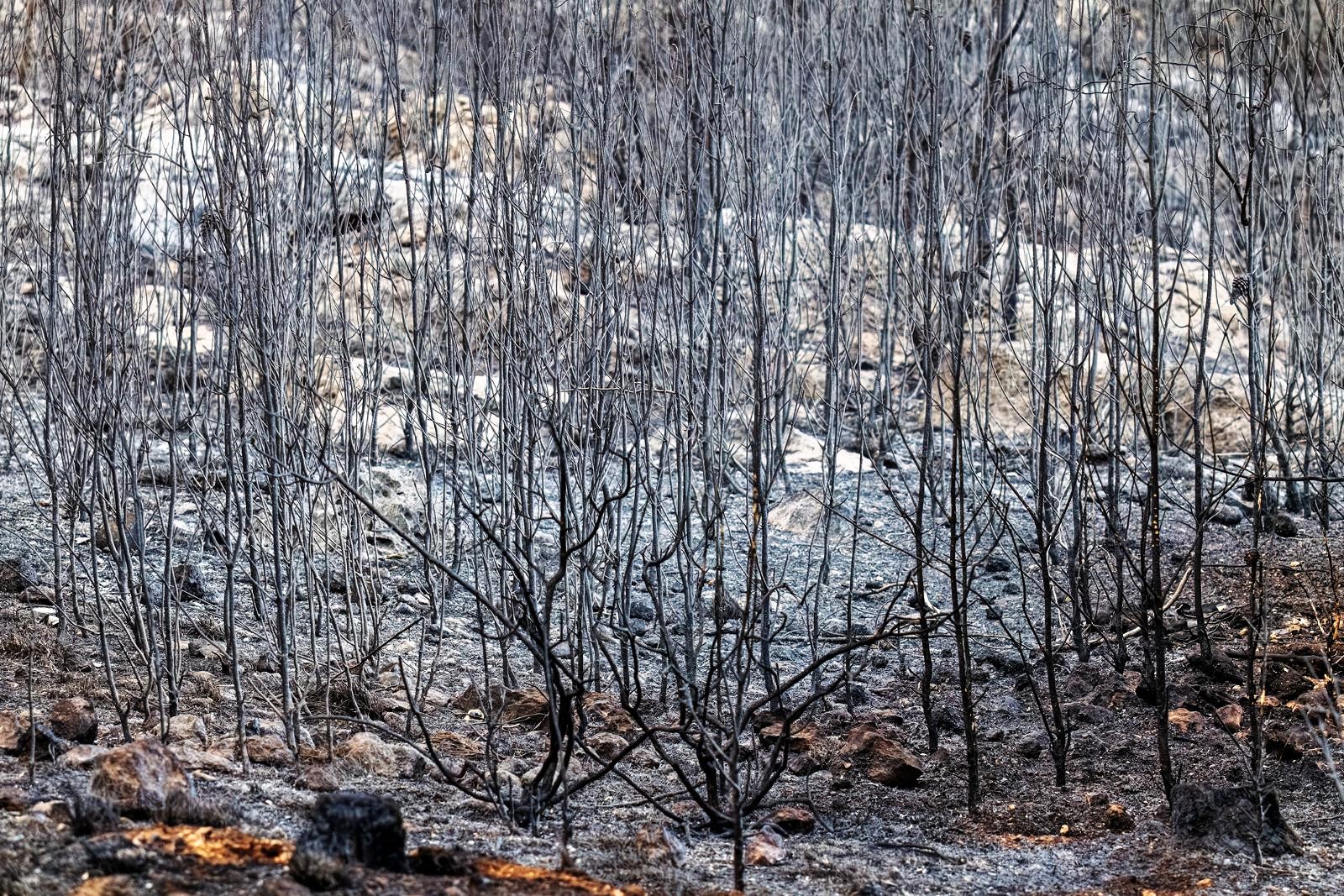
More than a year after a wildfire damaged ancient olive trees at Ayalon Canada Park's Olive Tree Recreation Area in Israel, the Keren Kayemeth LeIsrael - Jewish National Fund reports that some trees initially thought lost have survived. The damaged trees are now undergoing rehabilitation with the goal of becoming bonsai specimens for public display.
When experts surveyed the burned site shortly after the May 2025 fire, they found that while trunks and canopies had burned, root collars on some trees remained viable. Mature olive trees were planted to restore shade to the recreation area, but rather than discard the burned stumps, KKL-JNF uprooted them and transported them to a nursery for recovery.
The stumps were placed in pumice, a growing medium that maintains moisture while allowing oxygen to reach roots and prevent rot. In a greenhouse set at warm temperatures and 70% humidity, conditions designed to encourage root development, most foliage was removed to reduce water loss. New leaves emerged after about a month, followed by new roots several weeks later.
The technique draws from bonsai methods learned from Shai Cohen, a bonsai artist at the Jerusalem Botanical Gardens at Givat Ram, through a collaboration with KKL-JNF's Central Region. In bonsai practice, mature trees with distinctive histories and structures hold artistic value, and the ancient appearance and burn marks on these stumps are expected to become defining design features.
"The trees were severely damaged, but we discovered that life remained within the stumps. The precise treatment and the greenhouse conditions make it possible to develop a new root system and transform trees once considered lost into trees with a unique character and story," Said Rotem Attias, manager of KKL-JNF's Eshtaol Nursery.
Following completion of rooting and specialized bonsai shaping, the specimens will be displayed at the Jerusalem Botanical Gardens at Givat Ram and KKL-JNF's Eshtaol Nursery.
Ori Fragman-Sapir, scientific director of the Jerusalem Botanical Gardens at Givat Ram, noted: "The renewed sprouting of these ancient olive stumps reminds us of the vitality, remarkable regenerative power, and resilience of trees, living beings that outlive us and produce far more offspring than we do."
Sources