As Hormuz talks stall, experts see economic pressure, not war, as Trump's likely path
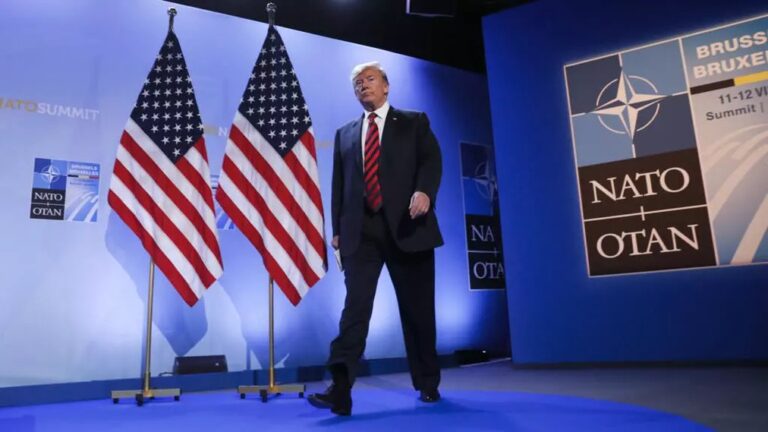
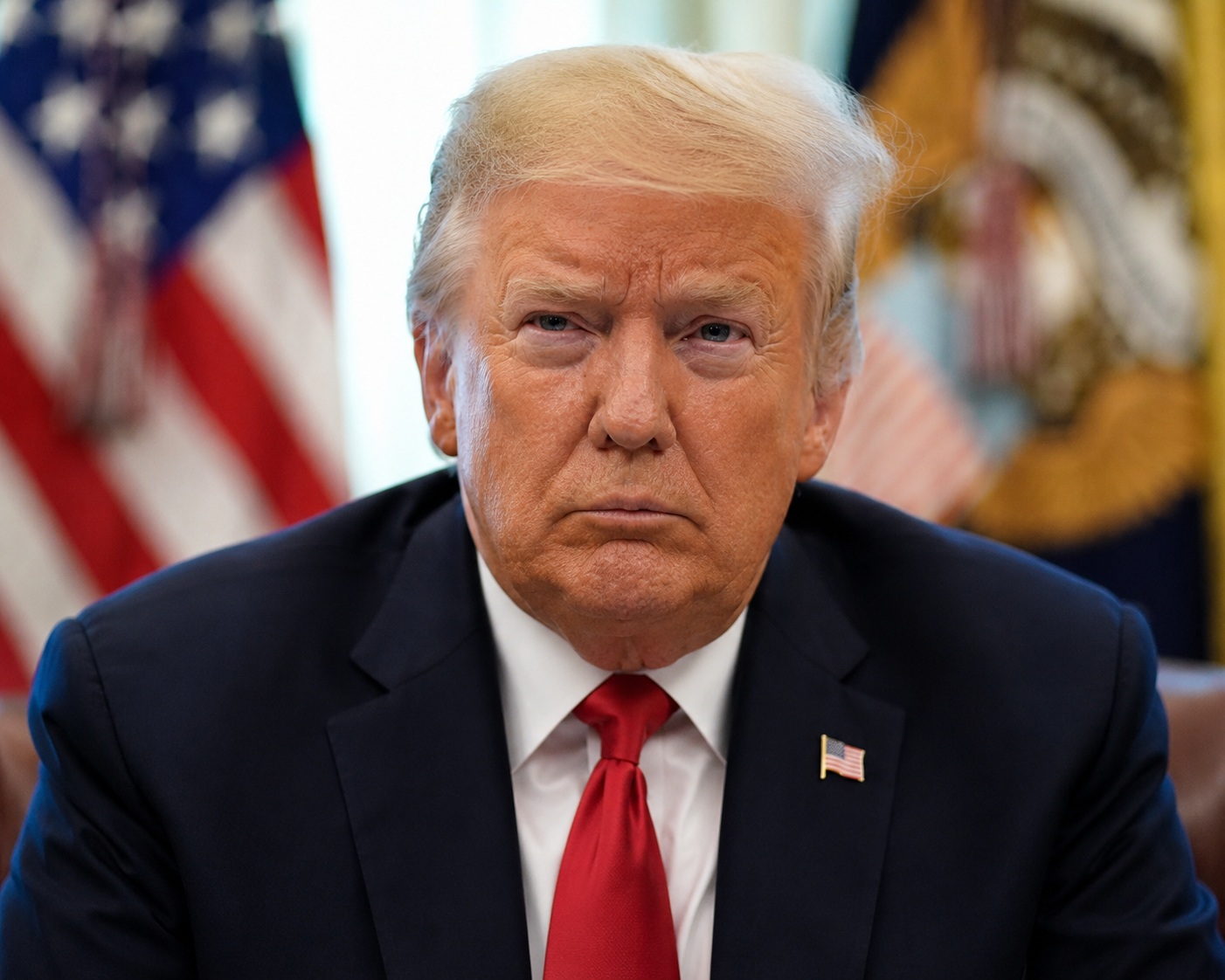
Negotiations to reopen the Strait of Hormuz are unlikely to yield an agreement, according to analysts, as Washington and Tehran remain far apart on their competing demands regarding the waterway. Experts assess that the Trump administration is more inclined to sustain economic pressure than to return to military action, though such a strategy may prove insufficient to compel Iran to relinquish its use.
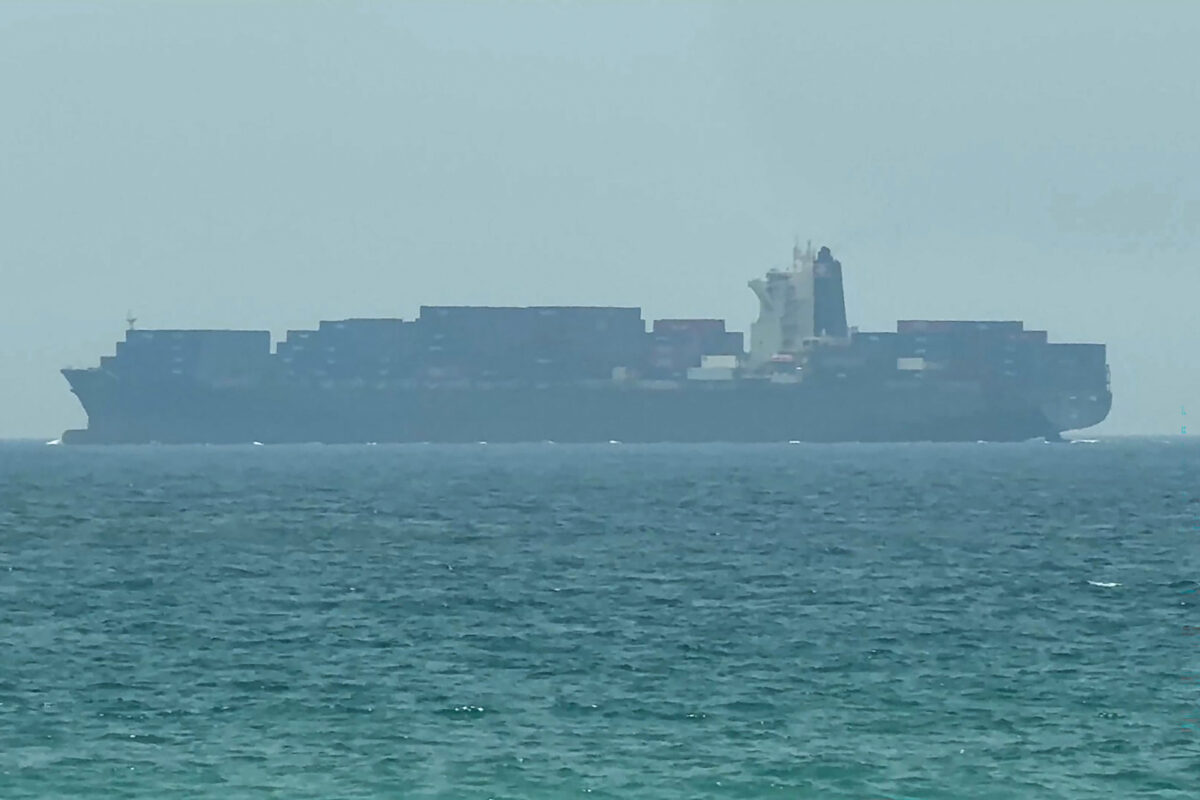
Negotiations to reopen the Strait of Hormuz are unlikely to yield an agreement, according to analysts, as Washington and Tehran remain far apart on their competing demands regarding the waterway. Experts assess that the Trump administration is more inclined to sustain economic pressure than to return to military action, though such a strategy may prove insufficient to compel Iran to relinquish its use.
An accord between Iran and Oman on managing strait traffic has been reported as imminent, yet a final deal has not emerged following extended negotiations. Mohsen Rezaei, secretary of Iran's Supreme National Security Council, stated Tuesday that any Iran-Oman agreement would be distinct from Tehran's broader closure of the waterway, which will only be lifted once the United States meets Tehran's demands, including full compensation for war costs. Trump has imposed his own conditions, asserting the U.S. Would also demand compensation from Iran for the current and previous conflicts.
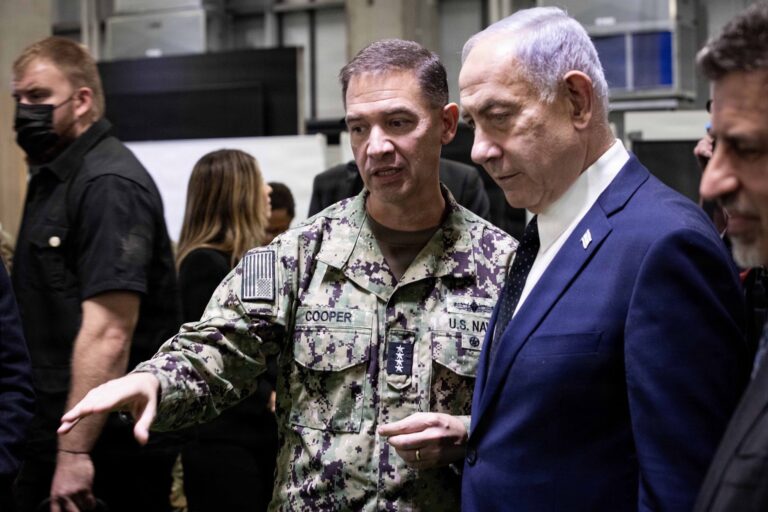
Analysts told Jewish Insider that prospects for a broader Washington-Tehran accord appear increasingly remote, with both sides seeking to maintain the use they possess. "Iran is unlikely to give up control of the strait anytime soon, having spent years threatening to choke the waterway and finally proving it can with relatively few cheap missiles and drones," Ari Cicurel, associate director of foreign policy at the Jewish Institute for National Security of America, told Jewish Insider. "The mere threat of attacks remains Iran's best leverage after a war that gutted its economy, which is why its demands for reopening [the strait] center on Washington lifting the blockade and pulling back forces, the two things that give the United States its own leverage, leaving the two sides' positions increasingly incompatible."
Steven Cook, a senior fellow at the Council on Foreign Relations, said his "sense is that we are going to have a long and drawn-out contest of wills over the strait." He noted the president has alternated between threatening force, employing force, and negotiating, and said he appears to favor economic pressure, though the resulting economic hardship may not dislodge the regime.
Michael Koplow, chief policy officer at the Israel Policy Forum, assessed that the Trump administration is more likely to pursue ongoing economic pressure rather than resume military hostilities, citing munitions constraints, public and congressional opposition to the conflict, and approaching elections. "Given the extreme unlikelihood of any successful negotiation between the U.S. and Iran, the two plausible scenarios are either a continuation of the status quo, or Trump using an Iran-Oman agreement on Hormuz to declare victory and extricate himself from the situation altogether," Koplow said.
Elliott Abrams, who served as Iran envoy in the first Trump administration, said Washington has inflicted "great economic damage" To Iran through its oil export blockade. He noted Iran's inflation rate stands just under 90 percent and the country loses hundreds of millions of dollars daily in oil revenue.
However, Cicurel cautioned that economic pressure alone may not force Tehran to surrender its strait use, given the regime's history of shifting economic hardship onto its citizens while maintaining military funding. He suggested Washington might instead establish "protected windows of time" For commercial transit and provide financial support to shipping companies and insurers.
Abrams also indicated the situation may extend beyond Trump's control should Iran escalate under economic strain. "The problem for Trump is that Iran may decide not to allow him to sit and wait. It is a vicious and brutal tyranny, but the rulers know that they risk another uprising as the economy worsens. That may lead them to attack Gulf Arab states, Israel and U.S. bases again," Abrams said. "At some point Trump will have to hit back. The decision to return to war is really in the Ayatollah's hands right now."
Cook also cautioned that the economic pressure approach carries costs domestically. While fuel prices have remained manageable and global oil reserves have helped offset supply reductions, he said, "less oil (and other products like fertilizers and aluminum) is flowing through the strait. At some point, the laws of economics are going to catch up with us."
Sources