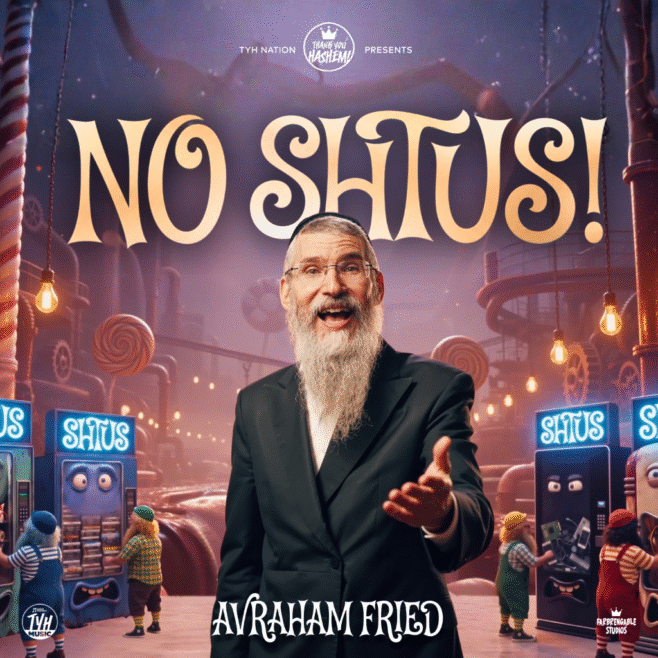
Avraham Fried's new song explores a fundamental spiritual question: how a person with a holy soul can fall into sin. According to the song's underlying theology, such falls occur when a spirit of folly - or "shtus"-takes hold. Each person faces their own version of this struggle, and the song suggests that overcoming it requires remaining connected to one's divine soul through Torah and commandments.
The song draws on teachings from Jewish mystical sources emphasizing the power individuals possess to choose their path. While the conflict between good and evil may feel overwhelming, the message conveys that the choice is ultimately simple: hearts naturally yearn for G-dliness, but need to clear away the shtus that obscures vision.
The song incorporates a teaching attributed to the Mezritcher Maggid on the mishna "Da ma Lemala Mimcha" (Know what is above you), interpreted to mean that spiritual happenings originate from one's own actions, demonstrating the profound impact each deed has on both spiritual and physical realms.
The composition also references Rebbe Nosson's Likutei Tefillos, drawing from the first prayer in that collection, which asks for the ability to dispel the spirit of folly and all forms of madness through the study and engagement of Torah.
The track features arrangements by Yehudah Pinsker and was produced across multiple studios with contributions from various musicians.