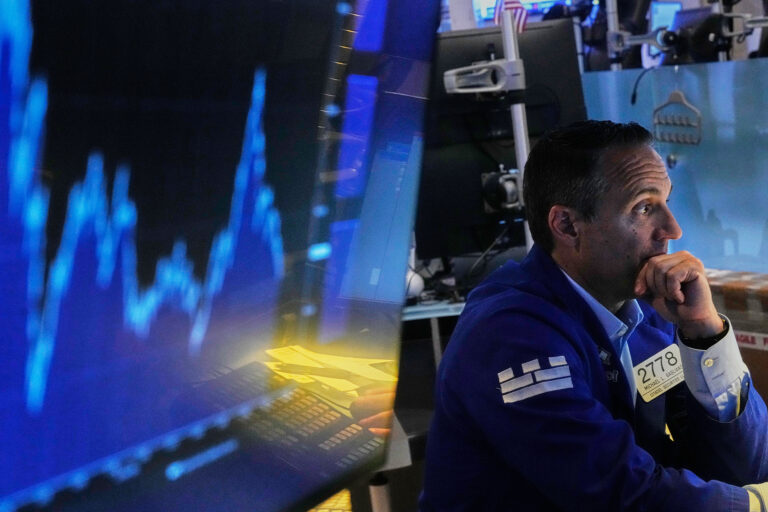
Brent crude oil climbed to its highest level since May on Thursday, driven by escalating Middle East conflict that threatens to disrupt global crude supplies. The surge in energy prices weighed heavily on U.S. Stock markets, where major tech companies posted significant losses.
The S&P 500 declined 1.4% and is on track for its first consecutive weekly loss since March. The Dow Jones Industrial Average fell 546 points, or 1%, while the Nasdaq composite dropped 2.6%.
Brent crude jumped 7.2% to $100.87 per barrel, reaching its highest price since May. The increase followed attacks on two Saudi oil tankers in the Red Sea, threatening a critical shipping route for moving Middle East oil to global markets alongside the Strait of Hormuz. President Donald Trump warned of "major military punishment" Against Houthi rebels in Yemen, who are backed by Iran, if attacks on vessels continue.
Oil prices have risen sharply from below $72 per barrel just weeks earlier, when markets anticipated the Strait of Hormuz would fully reopen following U.S. And Israeli military action against Iran.
Rising energy costs pose risks to inflation, which had been decelerating faster than expected. This could pressure central banks to raise interest rates, potentially slowing economic growth and depressing asset prices. The European Central Bank held rates steady Thursday, but traders are pricing in a nearly 36% probability of a Federal Reserve rate increase at next week's meeting, up from 12% a week prior. Such a move would mark the first increase since 2023.
The 10-year Treasury yield climbed to 4.70% from 4.67% the previous day and 3.97% before Iran hostilities began, pushing long-term mortgage rates to their highest levels in nearly a year. Gasoline averaged $4.09 per gallon nationwide, according to AAA, compared to $3.93 a month ago.
Airline stocks fell sharply amid concerns over fuel expenses. American Airlines dropped 7.8% despite reporting significantly stronger spring profits than analysts anticipated, while Southwest Airlines lost 4% despite also beating profit and revenue expectations.
Tesla tumbled 13.7% after reporting weaker-than-expected quarterly profits. Alphabet fell 7% despite delivering stronger earnings and revenue than forecast, as investors focused on the company's doubled artificial intelligence spending to nearly $45 billion last quarter. CEO Sundar Pichai noted that AI contributed to 82% cloud revenue growth, though concerns persist about whether substantial AI investments will translate to productivity and profit gains.
European markets declined with oil prices, with France's CAC 40 dropping 1.8%. Asian indexes performed more strongly, with South Korea's Kospi rising 4.4%.