Can the US win a bloodless war?
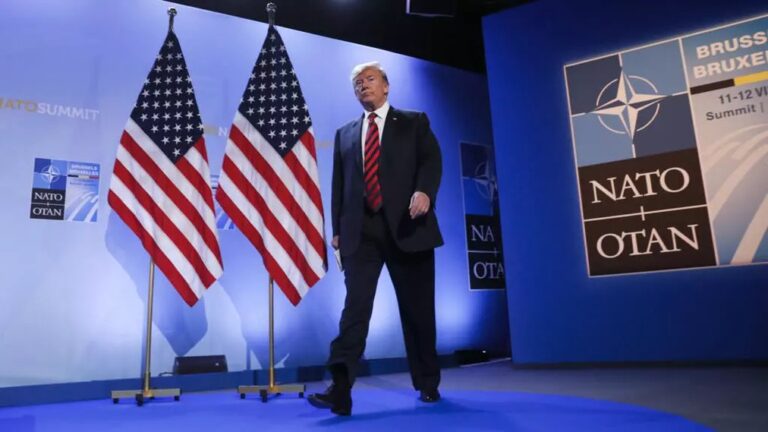
President Trump is pursuing a strategy centered on economic pressure and precision strikes rather than large-scale military engagement - an approach that General George S. Patton never contemplated.

President Trump is pursuing a strategy centered on economic pressure and precision strikes rather than large-scale military engagement - an approach that General George S. Patton never contemplated.
The theory relies on economic strangulation backed by targeted hardware strikes to achieve what military campaigns have traditionally accomplished through ground warfare. However, the numbers suggest limitations. Iran's military branches total roughly 610,000 personnel. After hundreds of airstrikes, Iranian military deaths are estimated between 2,000 and 6,000 - well under 1% of the force. The campaign has not substantially depleted Iranian manpower, yet the administration expects capitulation.
Most strikes occur at night, partly for strategic reasons. This restraint represents a defensible moral choice but does not necessarily constitute a war-winning strategy.
Economic pressure alone carries historical complications. The Soviet Union's collapse was substantially driven by economic exhaustion, allowing the United States to prevail in the Cold War without defeating the Soviet military directly. That outcome required four decades and a Soviet leadership willing to embrace reform. Iran lacks such a leadership, and sanctions pressure falls unevenly - affecting civilians more severely while leaving the Islamic Revolutionary Guard Corps comparatively shielded. The IRGC views sanctions as justification to strengthen its control.
The 1991 Gulf War illustrates the stakes. The United States initially declared victory after driving Iraqi forces from Kuwait without pursuing regime change. A decade later, Washington went to war again, believing regime change necessary for regional stability. The Iraqi military was defeated and Saddam Hussein removed, yet Iraq's later instability has been substantially shaped by Iranian interference - the very issue the current administration has not fully addressed.
Trump appears willing to declare victory if the Strait of Hormuz is opened, but Iran retains a large military capable of threatening neighbors through missiles and drones - capabilities it has already demonstrated. These assets remain under the control of actors who have not abandoned broader ambitions and have greater incentive to pursue nuclear weapons.
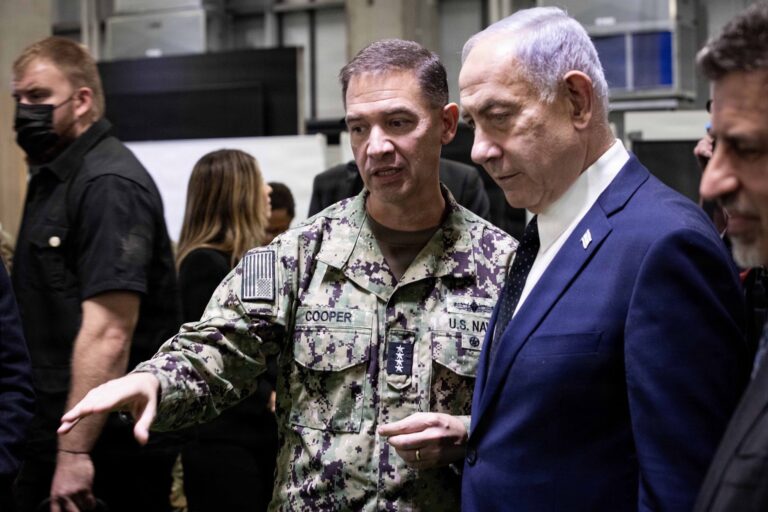
Israel's approach differs notably. While the United States has focused on degrading Iranian military capability, Israel targeted Iran's leadership directly and attacked the machinery maintaining regime control - IRGC headquarters, the Basij, and security apparatus. One campaign addresses Iran's capacity to threaten neighbors; the other addresses what sustains the regime itself.
A bloodless conclusion requires addressing both dimensions. A war ending without defeating the adversary or removing those who initiated it merely defers the cost.
Sources