COOLING THE BIG APPLE: Mamdani Unveils Ambitious Plan to Turn Scorching Subway Platforms Into Underground Cooling System
New York City officials are exploring a pioneering project to cool subway platforms while capturing excess underground heat to warm nearby buildings during winter months. The Brooklyn Bridge - City Hall 4/5/6 station and adjacent Chambers Street J/Z station have been selected as potential testing sites for what would be the first transit-based thermal energy network in the United States.
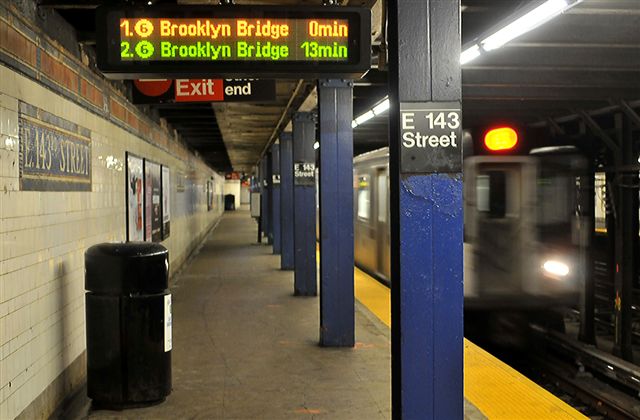
New York City officials are exploring a pioneering project to cool subway platforms while capturing excess underground heat to warm nearby buildings during winter months. The Brooklyn Bridge - City Hall 4/5/6 station and adjacent Chambers Street J/Z station have been selected as potential testing sites for what would be the first transit-based thermal energy network in the United States.
Mayor Zohran Mamdani, Gov. Kathy Hochul, and the Metropolitan Transportation Authority announced the partnership on a feasibility study for the thermal energy network. The initiative coincides with the MTA's planned major renovation of the aging Chambers Street station, which officials said presents an opportunity to evaluate innovative solutions to address heat in the subway system.
MTA data showed the Brooklyn Bridge - City Hall station reached average temperatures of 96 degrees during summer 2025, ranking among the hottest in the network.
The proposed system would collect heat generated within the subway, store it underground, and redirect it to nearby municipal buildings for winter heating. Officials contend the technology could improve passenger comfort and reduce energy costs.
Mayor Mamdani stated: "There are few feelings worse than escaping the extreme summer heat only to find yourself on a subway platform that is even hotter. We can make our subway platforms cooler and more comfortable while putting wasted heat to work during the winter."
Gov. Hochul added: "For years, New Yorkers have suffered through sweltering summer heat on subway platforms. Working with Mayor Mamdani and the MTA, we are harnessing cutting-edge climate technology for a truly cool purpose: making our subway stations tolerable during the summer and heating critical city buildings during the winter."
The feasibility study is estimated to cost approximately $800,000, with the broader Chambers Street renovation financed through congestion pricing revenue.
MTA Chairman and CEO Janno Lieber said the agency is evaluating solutions unprecedented in U.S. Transit systems. "Bringing down the temperature is a real challenge in a century-old system with open entrances and vents everywhere," Lieber said. "We're exploring solutions... to make stations more comfortable while helping to reduce energy costs. Everybody wins."
Officials characterized the effort as part of broader modernization aimed at adapting transit infrastructure to rising temperatures linked to climate change.
The Chambers Street J/Z station renovation plans include new structures, replacement of aging tilework, upgraded stairways, and full restoration of the historic 1913 facility. The MTA expects to award a project contract in fall, with design work on the thermal system potentially beginning in early 2027.
Sources