The Israeli business newspaper TheMarker drew criticism over a headline stating the government is "Taking from secular Israelis and giving to Chareidim," Published alongside reporting on expanded public transportation service to Chareidi communities during the bein hazemanim vacation period.
The article examined seasonal changes to Israel's public transportation system, reporting that hundreds of bus trips across the country were canceled or reduced to reinforce routes serving Chareidi neighborhoods and vacation destinations, where demand traditionally surges during bein hazemanim. Routes from Rosh HaAyin, Kafr Qasim, and Kiryat Ono to Tel Aviv were cited as examples of less frequent service during the summer break.
Critics contended the headline extended beyond transportation policy criticism, characterizing improved Chareidi service as coming directly at the expense of secular Israelis and implying preferential treatment rather than service reflecting seasonal demand patterns.
The article itself noted that Israel faces a severe shortage of approximately 5,000 bus drivers, which constrains the Transportation Ministry's ability to add routes without adjusting existing ones. The ministry explained that commuter route demand declines during summer while leisure travel increases. Critics observed that despite these factors, the headline focused on the Chareidi public rather than the driver shortage or seasonal ridership changes.
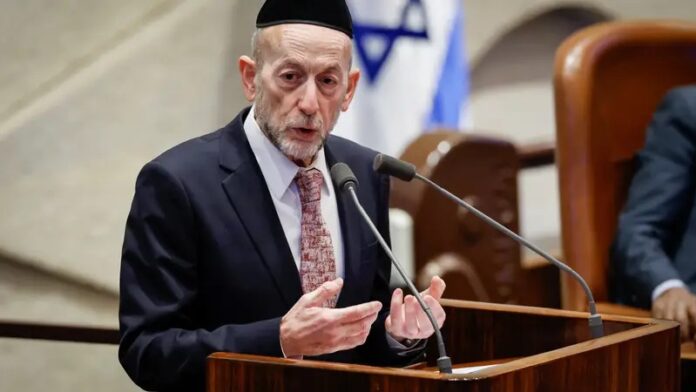
TheMarker connected the expanded bein hazemanim service to policies from MK Uri Maklev's tenure at the Transportation Ministry, when roughly NIS 100 million was allocated to improve public transportation in Chareidi communities following years when service failed to match population growth and the community's dependence on transit. The article presented these policies alongside claims that the broader public saw limited transportation improvement.
Observers noted what they described as inconsistency in TheMarker's coverage, recalling that months earlier the newspaper praised improvements under Maklev and suggested the secular public "deserves its own Maklev" To advocate for transportation needs.
Maklev supporters said scrutiny of route reductions, lack of passenger notice, and the nationwide driver shortage was appropriate, but framing the issue as taking from secular Israelis and giving to Chareidim shifted focus from transportation policy to the Chareidi public itself.
Chareidi party figures stated: "Every time the Chareidi public receives services it is entitled to, there are those who rush to portray it as though something has been taken away from other citizens. When bus routes to Eilat or the Kinneret are reinforced, it's called seasonal planning. When routes serving Chareidim are reinforced, it suddenly becomes 'taking from secular Israelis.'" They added: "The discussion about public transportation is legitimate and important, but portraying Chareidim as responsible for the nationwide shortage of buses and drivers is not professional criticism. It creates a sectoral conflict instead of addressing the real problem."