The Dutch government announced that an import ban on Israeli-made goods from Judea, Samaria and the Golan Heights will take effect on Sept. 22. Intentional violations will be treated as a criminal offense with penalties of up to six years in prison or a fine of up to €103,000 ($117,000), according to a decree published in the Staatscourant, the Netherlands' official government gazette.
The ban stems from a government plan introduced in May to prohibit sales of products originating from what the Dutch government and European Union describe as "illegal Israeli settlements." Israel has disputed this characterization.
The Israel Product Center, a business near Amsterdam affiliated with Christians for Israel, indicated the ban would likely have limited direct impact on trade with the Netherlands. However, some Israeli advocates in the country expressed concern the measure could be expanded to encompass Israeli businesses operating in those areas, including major financial institutions.
Ronny Naftaniel, former head of the Central Jewish Board of the Netherlands, denounced the decree as an excessive restriction on commercial freedoms and inconsistent policy. "It is bizarre that Dutch imports from Iran (around €37 [$42] million in 2025, and our exports of no less than approximately €600 [$684] million in 2025) continue 'as usual' despite the massacre of at least 40,000 Iranians on Jan. 8 and 9," He wrote on Facebook. The ban "attempts to be a moral statement, but if it costs the Netherlands any real money, we close our eyes," He added.
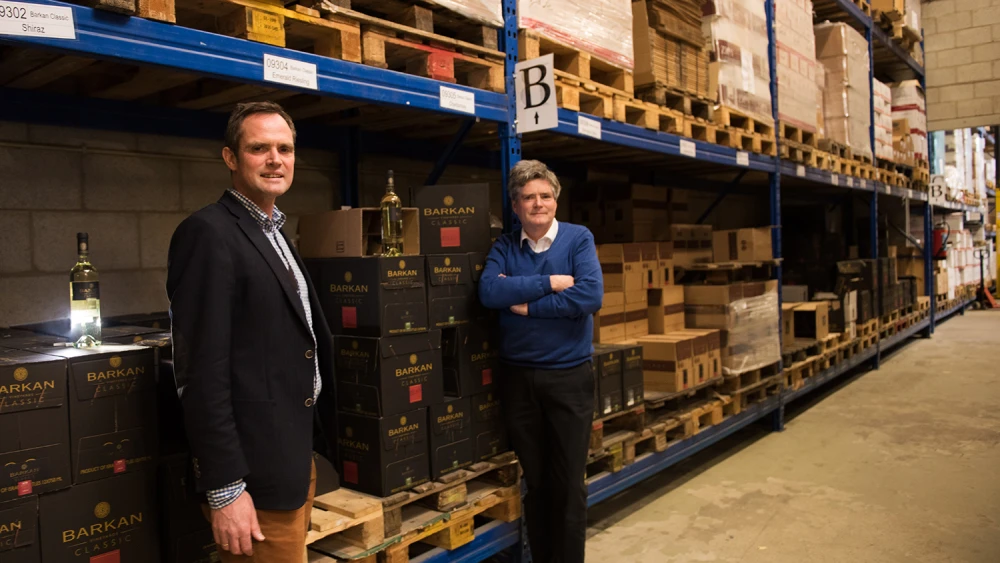
The Israel Products Center imports approximately 20,000 wine bottles annually from Judea, Samaria or the Golan, worth about €100,000 ($116,000), representing 3-5% of its overall imports. The organization's director, Pieter van Oordt, reported that customers have been purchasing existing stock ahead of the Sept. 22 deadline, with roughly two-thirds already sold.
"I want to express my deep gratitude to our supporters, who have been buying in large numbers recently," He said. "I would like to urge people to buy the remaining products as well."
Christians for Israel condemned the ban as immoral and impractical. Roger van Oordt, the former director of Christians for Israel and honorary consul, stated that while facing external threats, "The Netherlands introduces sanctions that have little economic weight, but send out a painful and powerful message."
The Dutch government has pursued restrictions on Christians for Israel's purchases from the disputed territories since 2019. Norway, Spain, Belgium and Slovenia have also announced similar bans on such goods, though Slovenia has since reversed its measure. Ireland's parliament passed legislation in July to ban those products.