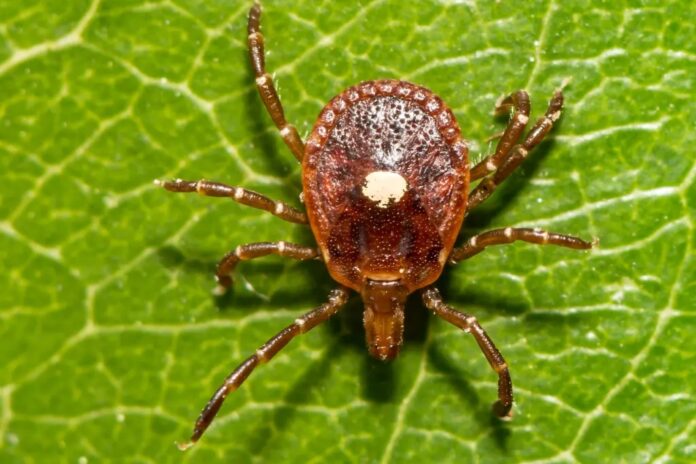
Health officials have confirmed New York's first documented case of Bourbon virus, a rare tick-borne disease for which there is no vaccine, approved treatment, or widely available diagnostic test. The case has raised concerns that the virus may be considerably more widespread than previously recognized, especially as lone star ticks continue expanding into the Northeast.
A 67-year-old patient contracted the virus after being bitten by two lone star ticks while working outdoors in Suffolk County on Long Island. Initial diagnosis mistakenly identified the illness as Lyme disease, and antibiotics were prescribed. The treatment proved ineffective against the viral infection, allowing it to progress. The patient subsequently developed high fever, severe headaches, rash, and drenching night sweats, along with extreme fatigue, muscle aches, nausea, and vomiting. After five days of hospitalization, the patient recovered.
Although documented cases have been sparse - primarily in Kansas, Missouri, and Oklahoma, with fewer than one confirmed annually in those states - the virus has already been fatal in two instances. The disease was first identified in Bourbon County, Kansas, and is transmitted by lone star ticks, which are recognized by a distinctive white spot on adult females and commonly inhabit forests, brush, and tall grass areas.
The northward expansion of lone star ticks has been driven by growing white-tailed deer populations living near residential areas and warmer winters and longer summers that allow ticks to remain active longer and expand into previously uncommon regions.
Lone star ticks also transmit ehrlichiosis and can trigger alpha-gal syndrome, which can cause long-lasting allergies to red meat and dairy.
The patient became ill in 2021, but specialized laboratory testing required five years to confirm Bourbon virus as the cause, raising questions about undiagnosed infections. Dr. Luis Marcos, who treated the patient, stated: "Now we know the virus can be lethal. On Long Island, at least, we have a lot of lone star ticks. And honestly this may be the very, very tip of the iceberg." He added that "the Bourbon virus is likely more prevalent than we think in our region and other cases are likely not being diagnosed."
Because no medication directly targets Bourbon virus, treatment involves managing complications through intravenous fluids, fever reduction, and pain relief while the immune system combats the infection. Experts recommend avoiding wooded and grassy areas, staying on marked trails, treating clothing with permethrin, and using EPA-approved insect repellents containing DEET.