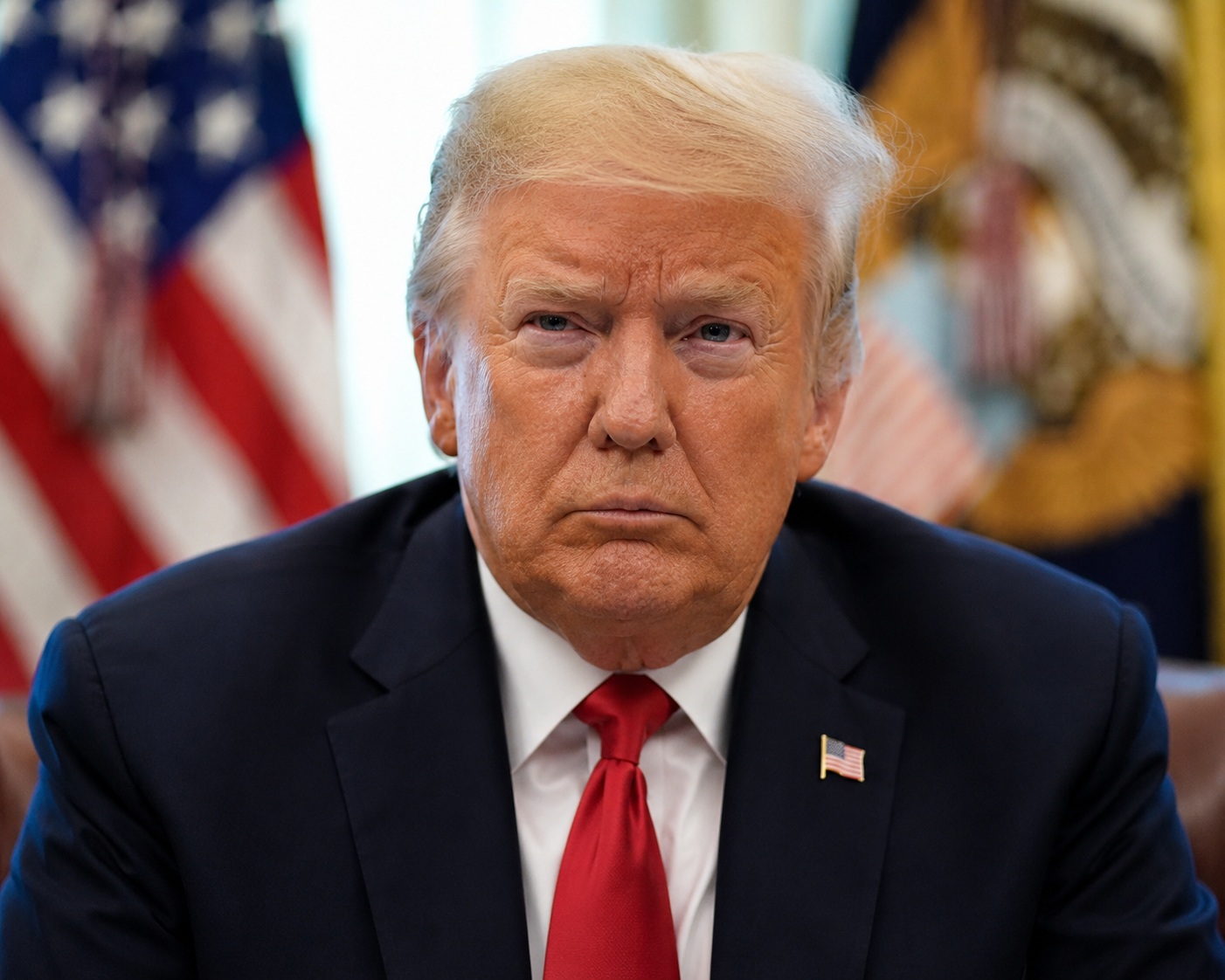
For 2028's Jewish hopefuls, Israel is the test that decides who's the 'right' Kind of Jew
A quarter century after Sen. Joe Lieberman's 2000 vice-presidential bid raised questions about whether a Jewish candidate could serve in high office, Democratic circles are now asking a different question of potential Jewish presidential contenders in 2028: whether they represent the "right" Kind of Jewish candidate, a determination centered largely on their stance toward Israel and the openness of their religious identity.
A quarter century after Sen. Joe Lieberman's 2000 vice-presidential bid raised questions about whether a Jewish candidate could serve in high office, Democratic circles are now asking a different question of potential Jewish presidential contenders in 2028: whether they represent the "right" Kind of Jewish candidate, a determination centered largely on their stance toward Israel and the openness of their religious identity.
Several Jewish candidates are being considered or are exploring presidential bids, including Pennsylvania Gov. Josh Shapiro, Sen. Elissa Slotkin of Michigan, former Chicago Mayor Rahm Emanuel, Illinois Gov. JB Pritzker, and Sen. Jon Ossoff of Georgia. Congressional primaries in both 2026 and 2028 are increasingly pitting pro-Israel candidates against those questioning Israel's legitimacy as a Jewish state, creating visible divisions within the prospective 2028 Democratic field over U.S.-Israel relations and antisemitism.
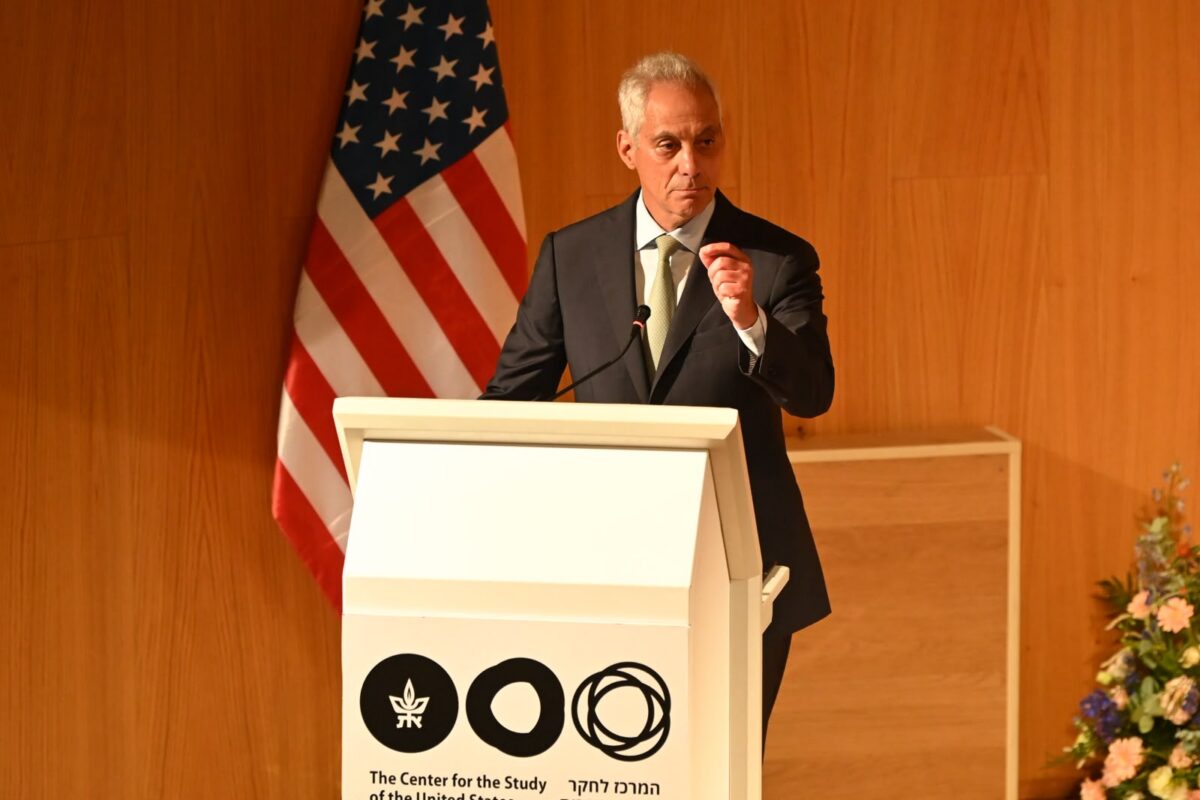
Emanuel, who launched his campaign in Tel Aviv, has made the U.S.-Israel relationship central to his campaign messaging despite his long pro-Israel record, appearing on multiple podcasts to discuss Israel policy. His approach reflects a broader political calculation that criticizing Israel may gain support while supporting it could be a liability in a Democratic primary. He is currently polling at zero percent in most Democratic primary surveys.
Gov. Gavin Newsom stated in February that he had never taken AIPAC money, a claim reflecting progressive sentiment against the pro-Israel lobbying group's influence in Democratic politics.
Other Jewish Democratic candidates have taken different approaches. Shapiro has attempted to pivot away from direct Israel discussions, focusing instead on domestic implications and U.S. National security. When addressing Israel, he has criticized Netanyahu while acknowledging Israeli security concerns. "I don't think that if you are critical of Benjamin Netanyahu, you're an antisemite," Shapiro said on a podcast earlier this year. "By the way, I'm critical of Benjamin Netanyahu. And I have been for years and years and years, even predating Oct. 7. I think his approach has made Israel less safe."
Pritzker has similarly directed criticism toward Netanyahu specifically rather than Israel broadly, telling The New York Times in March that Netanyahu's leadership has led to "additional wars" And excess casualties in Gaza. He explained his distancing from AIPAC as a response to the group becoming increasingly partisan and pro-Trump rather than over Israeli policy.
Ossoff, whose voting record on Israel assistance falls further left than his peers, has voted to block weapons shipments to Israel. The candidates have tacked leftward on Israel to varying degrees, Shapiro supports conditioning some aid to Israel, Emanuel has called for ending all military aid, and Ossoff has voted against weapons sales.
The contrast with the Lieberman era highlights a shift: the question then concerned whether Americans would accept a Jewish officeholder at all. The 2028 question is what position on Israel qualifies as the "right" Kind of Jewish candidate for the presidency.
Sources