Food serves as a vehicle for culture, memory and connection. ANU - Museum of the Jewish People in Tel Aviv has organized a weeklong festival celebrating the cuisines of Jewish communities now living in Israel, including the Bnei Menashe from India, the Kaifeng Jews from China and the Subbotnikim from Russia. Each group's culinary traditions will be featured at restaurants across the country alongside their stories.
Hagar Doron, director of the Databases Department at ANU, explained that the museum has been exploring community identity and discovered numerous Jewish communities abroad reconnecting with their heritage. "For us as Israelis, I found that our audiences are interested in these different variations of the Jewish world, such as communities like the Subbotnikim of Russia. We are only now discovering that the Jewish world is much bigger than we thought."
The Subbotnikim, Russian and Ukrainian peasants who converted to Judaism over 200 years ago, have immigrated to Israel in waves since the early Zionist period. Between 2,000 and 3,000 now reside in Israel. Their cuisine is featured at Keton, a Tel Aviv restaurant serving Ashkenazi Jewish food since 1945. Chef Orna Raskin, the third-generation owner, developed the special menu with museum assistance. The offerings include pickled watermelon, olnik slow-baked with short ribs and egg, piroshki stuffed with cabbage and blueberries, and hot milk-and-noodle soup with cinnamon butter.
In Israel, the Subbotnikim are recognized as Jewish without requiring conversion. Other featured communities have faced questions about their Jewish status and underwent conversion after arriving.
The Bnei Menashe, believed to be descendants of the Lost Tribes of Israel, were recognized by Israel's Chief Rabbinate in 2005 but must still undergo Orthodox conversion for full recognition. Approximately 5,000 live in Israel, with a government initiative targeting the remaining 5,800 from northeastern India by 2030. Tel Aviv's Bollywood Cafe has created a special menu featuring their cuisine, including mepoh rice with greens, gotoi stew with bamboo shoots and peas, and mai kikang stir-fried pumpkin.
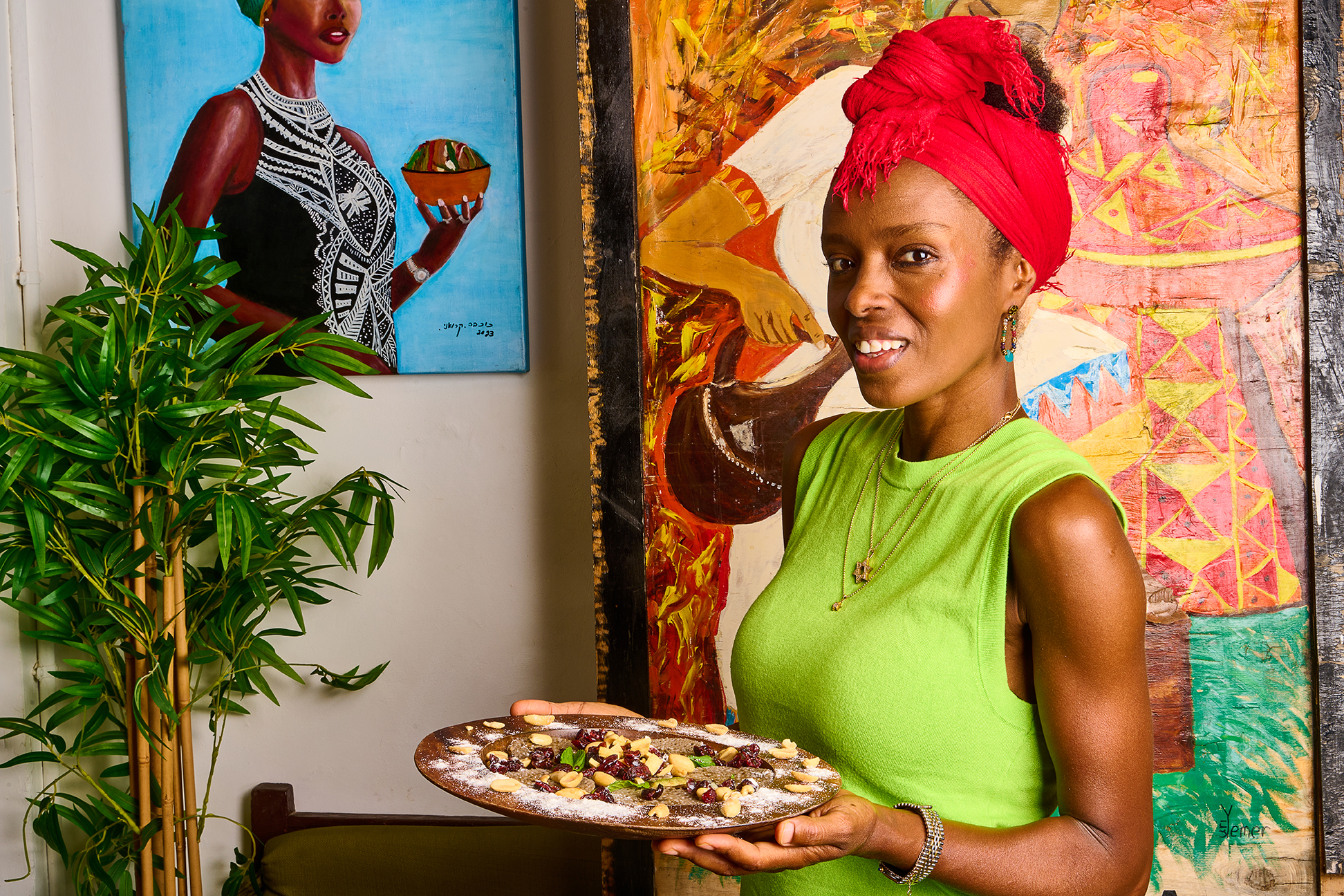
The Abayudaya, numbering 2,000 to 3,000 in eastern Uganda, are classified by Israel's Interior Ministry as an "emerging" Jewish community. Their vegetarian cuisine centered on root vegetables is featured at Balinjera, a kosher Ethiopian restaurant. Chef and owner Fanta Prada said the dishes reflect "a dialogue between this new culinary world and my own."
Additional communities featured include San Nicandro from Italy, Bnei Moshe from Peru, the Amazonos community from Brazil and the Kaifeng Jews from China. The special menus run from July 26 through July 31, concluding with a panel discussion featuring community members.
Li Gill, director of FOODISH Israel, ANU's culinary wing, noted the festival grew from earlier lectures on emerging Jewish communities' foods. Community members shared dishes they remembered, particularly Shabbat meals, allowing organizers to collect both precise recipes and those preserved through memory.