Homan Defends Electric-Shock Gloves for ICE: "You Can't Just Go From 0 to 100"
White House border czar Tom Homan defended plans to equip Immigration and Customs Enforcement officers with electric-shock gloves, characterizing them as a non-lethal option positioned between de-escalation efforts and the use of deadly force.
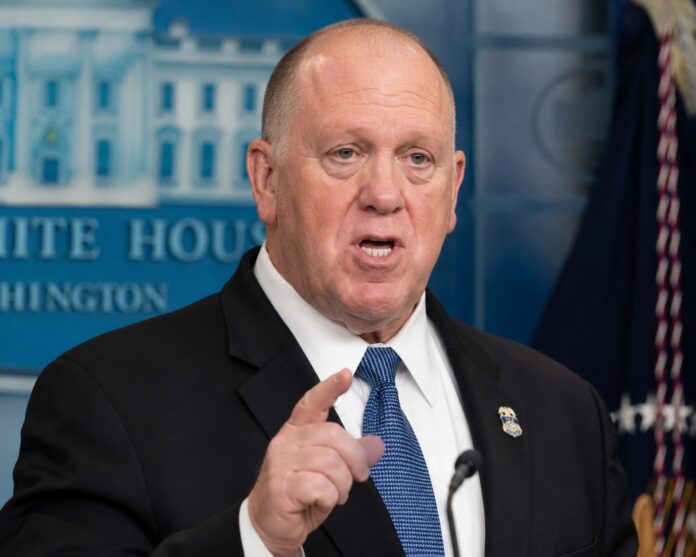
White House border czar Tom Homan defended plans to equip Immigration and Customs Enforcement officers with electric-shock gloves, characterizing them as a non-lethal option positioned between de-escalation efforts and the use of deadly force.
"It's another device to help someone get compliant when they are not," Homan said during an appearance on Fox News' "Fox & Friends." "You can't just go from 0 to 100, right, and the first thing you go for is lethal force."
The Department of Homeland Security published a notice outlining plans to spend up to $20 million to purchase the devices for ICE personnel. Formally known as Generated Low Output Voltage Emitters, or G.L.O.V.E.s, and manufactured by Compliant Technologies, the gloves can deliver an electrical charge of up to 380 volts upon direct contact with exposed skin. Unlike conventional tasers, they are not designed to incapacitate and cannot penetrate clothing.
Similar devices have been used by some law enforcement agencies and correctional facilities. A Kentucky jailer who has used the gloves for four years said his facility has rarely needed to deploy them on inmates, finding that their mere presence often serves as a deterrent. "It's just a safer way. It's safer on the inmate. It's safer on the staff. And most of the time, most of the time we get compliance," He told the Associated Press. "It's been a great tool for our facility."
Homan compared the gloves to other non-lethal tools already available to law enforcement, such as tasers and pepper spray. He indicated that ICE agents will not immediately begin carrying them, stating it would "be awhile" Before deployment as the agency develops training procedures and protocols. According to a DHS contracting notice, distribution could begin as early as March 2027.
Sources