HORMUZ BYPASS: UAE Invests Billions In New Energy Routes As Persian Gulf Threats Disrupt Shipping
The United Arab Emirates is undertaking a major expansion of its natural gas infrastructure, investing billions of dollars to boost production and develop alternative export routes amid instability affecting Persian Gulf shipping lanes. ADNOC Gas, the Abu Dhabi government-owned energy company, has announced a development plan worth more than $8 billion as the UAE seeks to expand its role in global energy markets.
The United Arab Emirates is undertaking a major expansion of its natural gas infrastructure, investing billions of dollars to boost production and develop alternative export routes amid instability affecting Persian Gulf shipping lanes. ADNOC Gas, the Abu Dhabi government-owned energy company, has announced a development plan worth more than $8 billion as the UAE seeks to expand its role in global energy markets.
The initiative follows the UAE's withdrawal from OPEC, which removed production quotas and gave Abu Dhabi greater flexibility to increase energy output. Oil and natural gas production are closely linked, as significant quantities of gas can be produced alongside crude oil. Under OPEC restrictions, limits on the UAE's oil output also constrained associated natural gas available for processing and sale. With those restrictions removed, Abu Dhabi expects substantially larger gas quantities to become available.
ADNOC Gas plans to construct a major natural gas processing facility in Habshan, home to the country's largest gas complex, while developing an advanced export terminal in Ruwais. The facilities will process raw natural gas into higher-value products for domestic and international markets. The latest investment brings total commitments to the broader development program to approximately $13.2 billion.
ADNOC Gas is also positioning itself to capitalize on rapidly increasing global electricity demand, particularly from artificial intelligence data centers and cloud computing infrastructure. The company has raised its earnings forecast for 2030 to more than $12 billion, with CEO Fatima Al Nuaimi saying the company aims to increase profits by approximately 60%.
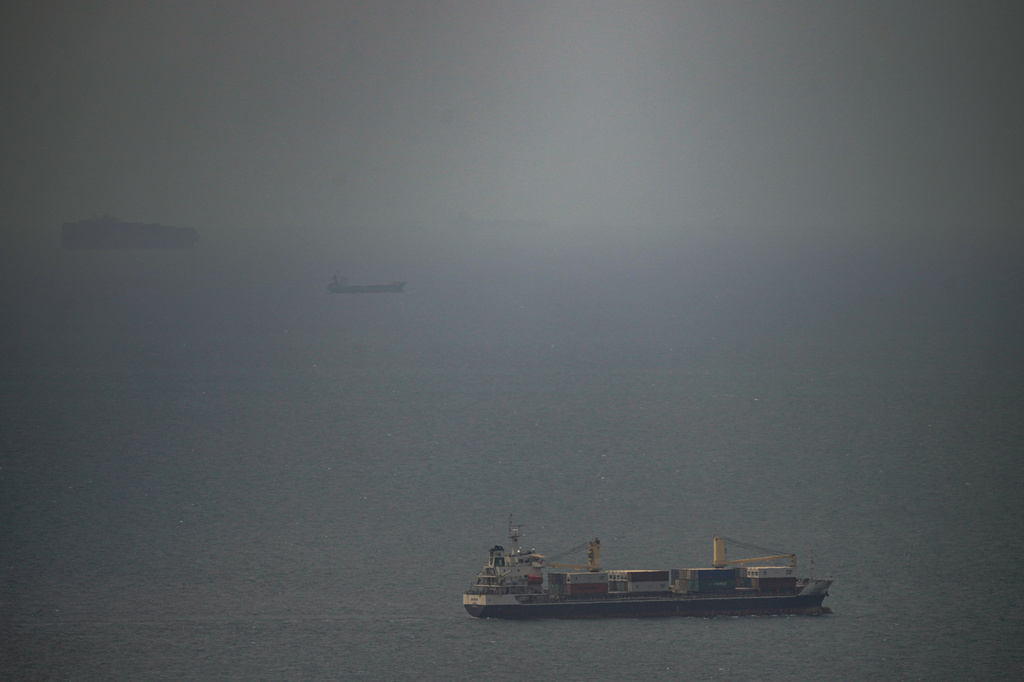
However, officials acknowledged that reaching those targets depends heavily on improved security and stability in the Persian Gulf. Regional fighting has already taken a significant financial toll. ADNOC Gas reported second-quarter net profit of $665 million, down sharply from $1.39 billion the same period last year, attributed largely to disruptions surrounding the Strait of Hormuz, through which roughly one-fifth of the world's oil and gas supplies normally pass. Shipping has been severely disrupted since the outbreak of war with Iran, complicating energy exports.
Abu Dhabi is investing billions in pipelines and alternative export infrastructure designed to bypass potentially dangerous shipping routes, betting that massive infrastructure investments can simultaneously increase energy exports and reduce exposure to Persian Gulf disruptions.
Sources