Lebanon's state-sectarian system has become a financial conduit for particular political and paramilitary groups, exemplified by the Council for South Lebanon.
Established in 1970 following cross-border tensions and Palestinian militant activity in the south, the council was designed as an autonomous public fund to provide rapid aid to the region. Its stated mandates include compensating civilians harmed by Israeli military actions, funding emergency relief and reconstruction, and carrying out infrastructure projects in southern border areas.
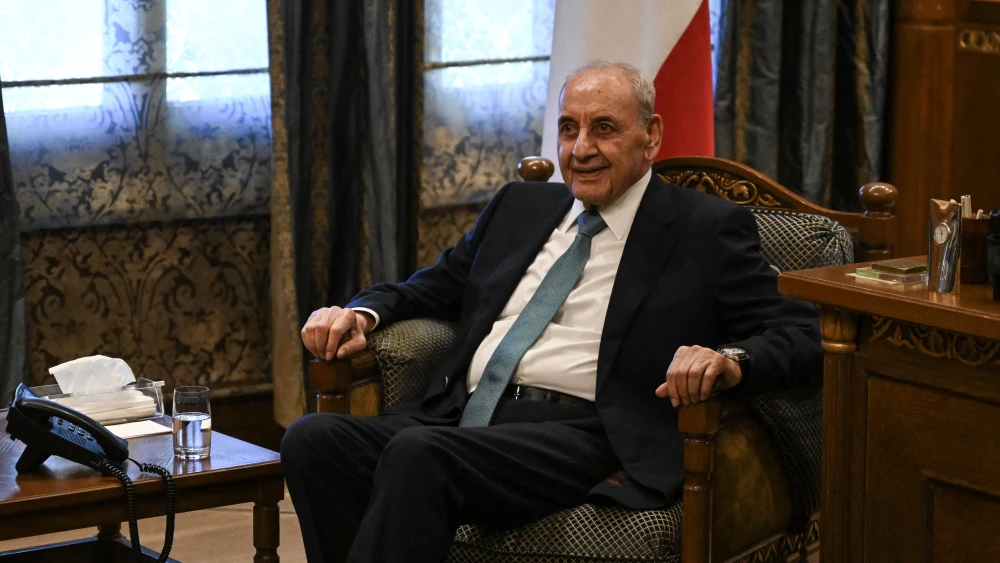
Though technically a state institution financed by the Lebanese treasury, the council has been controlled entirely by Speaker of Parliament Nabih Berri and his Amal Movement since the Lebanese Civil War ended in 1990. Under Lebanon's confessional system, public institutions became political fiefdoms among sectarian groups. The council serves as Amal's primary patronage tool, with businessman Kabalan Kabalan, a senior Amal official and parliament member with close ties to Berri, heading the organization for decades. Through this arrangement, the council determines which villages receive infrastructure development and who qualifies for cash payouts.
Amal and Hezbollah fought for dominance in the Shi'ite community during the 1980s civil war but later formed a political alliance. Under their division of labor, Hezbollah dominates military operations while Amal controls state administrative resources. Through this arrangement, Hezbollah uses the Amal-run council to secure state compensation of $20,000 per casualty for its combatants' families and to fund reconstruction of war-damaged areas that support Hezbollah's infrastructure.
Hezbollah has also prioritized placing allies at the helm of the Ministry of Public Health. Under their direction, the ministry expands coverage contracts and billing caps for Hezbollah-affiliated hospitals. When conflict escalates, the Health Ministry directs that all war-related injuries be treated at Lebanese state expense. The Shahid and Jarha foundations ensure families receive free access to elite care, with payments drawn from the public treasury via Ministry of Health transfers. This arrangement allows Hezbollah to protect its own cash reserves while the Lebanese state subsidizes its medical costs.