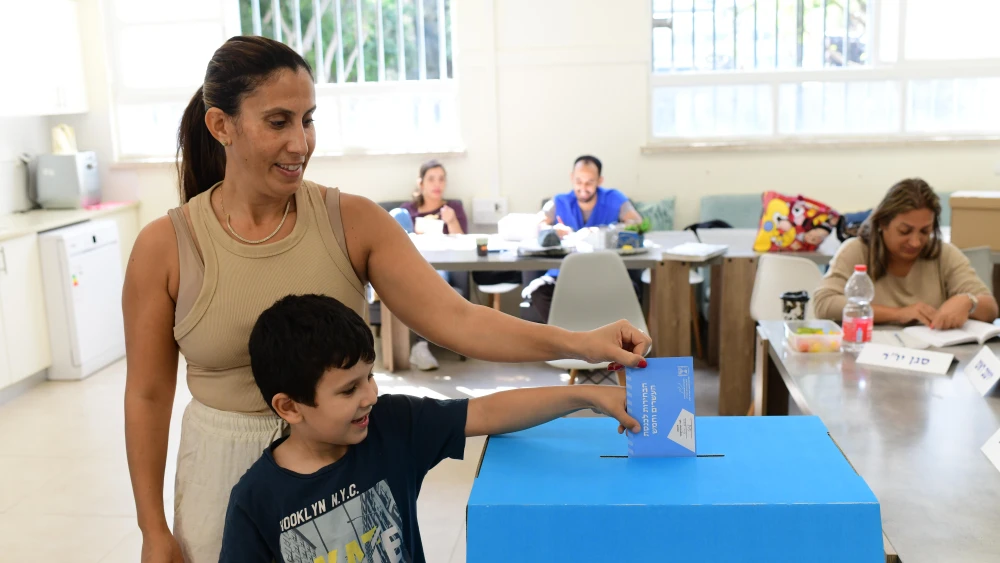
Iran's influence operations present a concrete threat to Israel's democratic process, according to Israeli Security Agency Director David Zini, who briefed the Knesset Foreign Affairs and Defense Committee's Intelligence Subcommittee on the matter last week.
Israel faces significant vulnerabilities in countering this threat. A State Comptroller's Report determined that nine years after the danger was first identified, the country lacks a national policy to address it and has no designated government body leading the response. The comptroller noted that Israel's political and security instability creates "fertile ground that enables domestic and foreign actors to exploit social divisions and undermine public trust in democratic institutions."
Tehran views Israel's election campaign as an opportunity to exploit existing societal divisions while the country faces military confrontation with Iran. The regime operates an extensive network of fake social media accounts to distribute disinformation, staffing dedicated units within the Islamic Revolutionary Guard Corps to conduct these operations.
Iran's objective is not to back one political side but to deepen internal divisions. According to analysis of the regime's strategy, a more fractured society will be less capable of addressing security, diplomatic and social challenges.
Iranian interference is expected to unfold in stages. Initially, Tehran will seek to shape how the political system organizes itself among both Jewish and Arab publics. On Election Day, covert assets are likely to spread false information and undermine voting integrity. Afterward, the regime will attempt to delegitimize the results.
Beyond social media, Iran has demonstrated improved capacity to recruit operatives within Israel through deception or financial incentives, deploying them for physical activities such as hanging signs and organizing demonstrations. The regime's familiarity with Israeli society aids in identifying potential recruits.
Foreign interference in elections is not unprecedented, with Russia and Iran typically identified as primary actors in various democracies. However, artificial intelligence now represents a new tool in such campaigns. Iran is expected to use AI to enhance credibility of its assets and amplify messaging, potentially through manipulated Israeli influencers unaware of involvement.
Cyber operatives working alongside influence specialists may flood the internet with information obtained through hacking Israeli websites, using stolen material to undermine the election process.
Israel's security agencies face the challenge of identifying current Iranian assets and those in development. Civil society organizations also play a crucial role in combating foreign interference on social media. Coordinating government efforts with experienced civil society groups could strengthen Israel's ability to identify and counter the Iranian campaign.
The threat persists independently of military escalation between the countries. Even without renewed missile attacks, Tehran will continue working to deepen Israeli social divisions through the election.