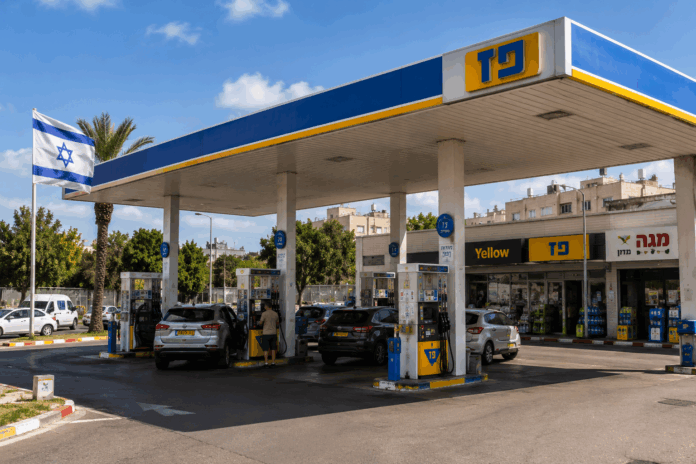
Israeli drivers are expected to face a significant increase in fuel prices next month as the escalating conflict with Iran drives up global energy costs, with gasoline projected to reach its highest level in weeks.
Energy sector estimates suggest the price of a liter of 95-octane gasoline at self-service pumps will rise by approximately 25 to 30 agorot on August 1, reaching roughly 7.75 shekels per liter if the regional security situation does not improve. At full-service stations, prices are expected to once again exceed the 8-shekel-per-liter mark, reversing last month's decline. Analysts attribute the increase to the intensifying conflict in the Persian Gulf and its impact on world oil markets.
The projected jump follows a July 1 decline of 32 agorot to 7.48 shekels per liter, which had occurred after a temporary easing of tensions and the reopening of the Strait of Hormuz. That improvement has since reversed as military escalation between the United States and Iran, coupled with renewed disruptions to oil tanker traffic through the strategic waterway, has sent crude prices sharply higher.
Since the end of June, Brent crude has surged roughly 24%, climbing from about $77 per barrel to approximately $96. The U.S. Dollar has strengthened by around 2.5% against the shekel, trading at roughly 3.06 shekels. Economists say the combination of higher oil prices and a stronger dollar is expected to translate directly into higher fuel costs for Israeli consumers.
The Ministry of Energy is expected to announce the official August fuel price at the end of next week after calculating the average international oil price and the representative dollar exchange rate over the designated measurement period.
Economists are warning that such a significant increase in gasoline prices could add inflationary pressure to the Israeli economy and may delay the Bank of Israel's next interest-rate cut. Because fuel costs affect transportation, shipping, manufacturing, and food distribution, higher gasoline prices are expected to ripple through a wide range of goods and services. Analysts cautioned that the security situation remains fluid, with continued escalation potentially pushing energy prices even higher.