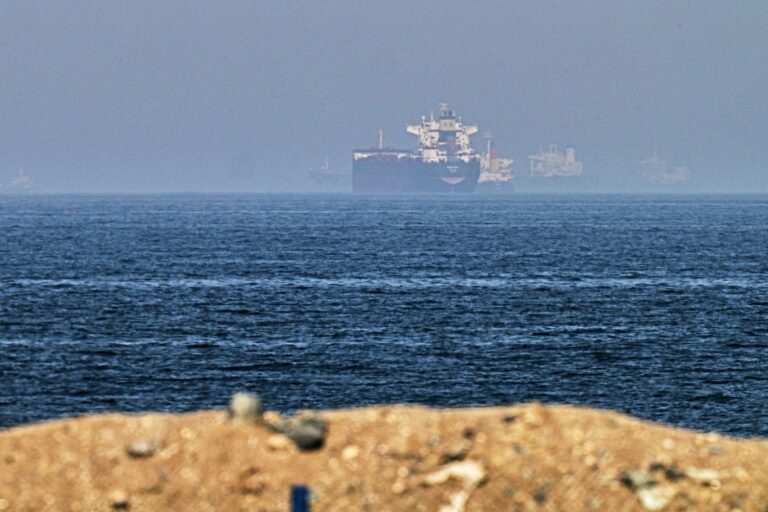
Iran and Oman are nearing an agreement that would reorganize shipping lanes through the Strait of Hormuz, according to a report citing officials familiar with the discussions.
Under the proposed arrangement, inbound vessels would travel through the northern shipping lane near Iran's coast, while outbound traffic would use the southern lane near Oman. The plan would also involve payments from commercial vessels, which Iranian officials characterize as "service fees" To cover maritime security and environmental protection rather than transit tolls. The revenue would be divided equally between the two nations.
A U.S. Official disputed this characterization, stating that any temporary shipping route established in the strait would not require Iranian approval and would not include mandatory payments.
Iran has contended that following the outbreak of war in the region, the Strait of Hormuz should no longer function as an unrestricted international waterway. The United States has rejected this position.
U.S. Secretary of State Marco Rubio warned of the implications, stating: "If we create a precedent in the Middle East where a country can decide it controls an international waterway, charge ships to pass through it, and threaten to blow them up if they don't pay, we're creating a very dangerous precedent that could spread to other parts of the world."
President Donald Trump addressed the matter separately, saying the Strait of Hormuz could reopen "as soon as tomorrow" And that reopening the waterway would precede efforts to address Iran's nuclear program.