Iran's Leaders Think They Have Trump Cornered, but Their Strategy Carries Great Risks
The Strait of Hormuz, a crucial global energy waterway, has become the focal point of escalating tensions between Iran and the United States.
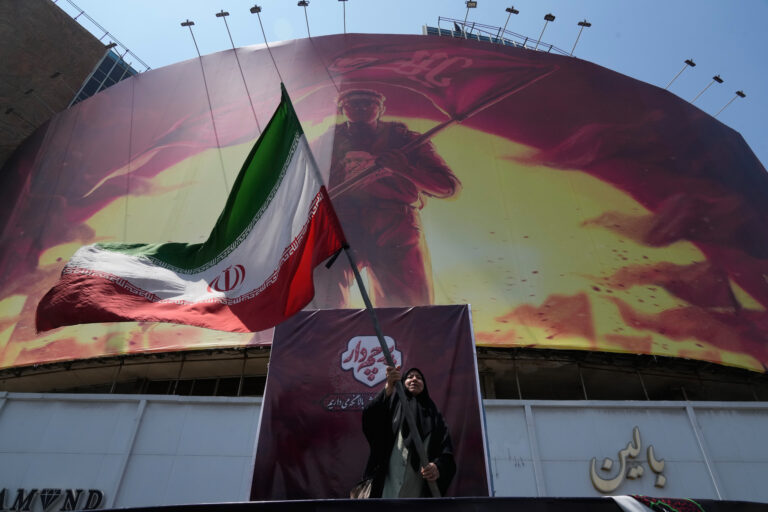
The Strait of Hormuz, a crucial global energy waterway, has become the focal point of escalating tensions between Iran and the United States.
Iran's leadership believes it holds the upper hand in the conflict. They are counting on military pressure to force American acceptance of Iranian control over the strait, wagering that time works in their favor. Iran's calculations rest on several factors: diminishing U.S. Stockpiles of advanced missile interceptors, domestic American opposition to the war, the economic impact of a largely closed strait on global energy prices ahead of November congressional elections, the costs and potential need for American ground troops to forcibly reopen it, and the capacity of Houthi allies in Yemen to expand the conflict and disrupt additional trade routes.
However, the strategy carries significant risks. Trump has authorized strikes that have damaged Iran's leadership, military assets, and naval capabilities. His messaging oscillates between threats of escalation and claims that negotiations are progressing. Iran's economy has suffered under a U.S. Blockade, and the country experienced mass protests months ago that could resurface.
Tehran says it is near a deal with Oman regarding strait management. On Saturday, Iran stated the waterway will remain closed until the U.S. "corrects its behavior," Demanding permanent cessation of the war, removal of the naval blockade, military withdrawal, full compensation for war damage, sanctions relief, and unconditional release of frozen assets. No White House response was issued.
A formalized arrangement with Oman would establish Iranian control over what was previously an open international passage carrying roughly one-fifth of the world's traded oil and gas. An Iranian analyst stated: "More than revenue from the strait, Iran wants to confirm its management and sovereignty over the strait."
Iran views control of the strait as providing use for security guarantees with the U.S. And regional powers. An adviser to Iran's chief negotiator posted on social media: "They started the war, but its end was never with them. We always decide for ourselves when it ends. Iran is going after the enemy's defeat, not an agreement." He referenced a July Iranian attack on Jordan as compensating for declining oil prices.
Iran has declared the Strait of Hormuz will not revert to unrestricted passage and will continue attacking unauthorized ships. Its joint military command has called it an "unbreakable red line."
The economic toll has been severe for Iran. U.S. And Israeli strikes have damaged its industrial capacity. The blockade has restricted oil exports. Iranians face triple-digit food inflation, and Trump has threatened strikes on civilian infrastructure. December protests over a currency crisis, among the largest in the Islamic Republic's 47-year history, drew a violent crackdown with thousands killed and detained.
Mohammad Javad Zarif, the foreign minister who negotiated the 2015 nuclear deal, wrote that Iran's wartime achievements opened "an exceptional window for diplomacy," But warned that failure to secure a deal soon could result in economic hardship and internal instability or renewed aggression after the U.S. Elections.
The conflict has already defied predictions. Following early airstrikes on February 28, Trump suggested resolution within weeks. Instead, the war has strengthened Iran's leaders and mobilized supporters. Yet analysts note Iran cannot sustain this strategy indefinitely, and economic collapse could spark unrest requiring eventual negotiations with the United States.
Sources
Related