IRAN SHIFTS POSTURE: Tehran Adopts More Aggressive Military Strategy As U.S. Talks Stall
Iran has reorganized its military command structure around a more aggressive operational approach as diplomatic efforts with the United States remain stalled, according to Bloomberg. Supreme Leader Mojtaba Khamenei has made a series of senior military appointments reflecting what Iranian officials characterize as an "offensive doctrine."
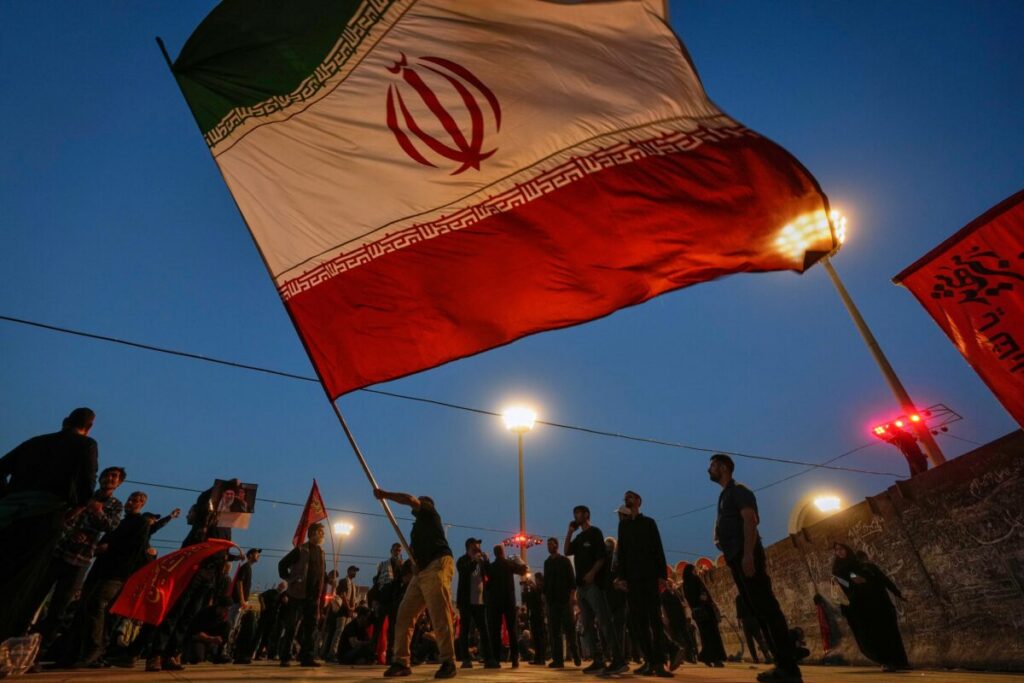
Iran has reorganized its military command structure around a more aggressive operational approach as diplomatic efforts with the United States remain stalled, according to Bloomberg. Supreme Leader Mojtaba Khamenei has made a series of senior military appointments reflecting what Iranian officials characterize as an "offensive doctrine."
Mohammad Reza Naqdi, an Islamic Revolutionary Guard Corps general advising the force's new commander, stated that "whenever the conditions are favorable and the order is issued, we must be able to take the operation into enemy territory." He contrasted this posture with Iran's previous doctrine, which he described as primarily defensive.
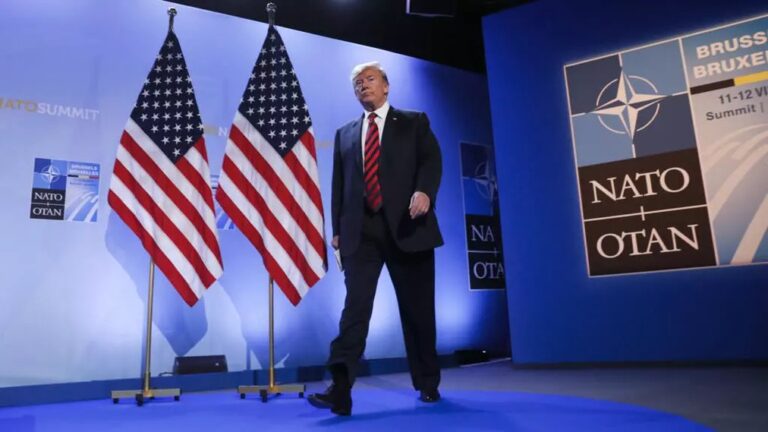
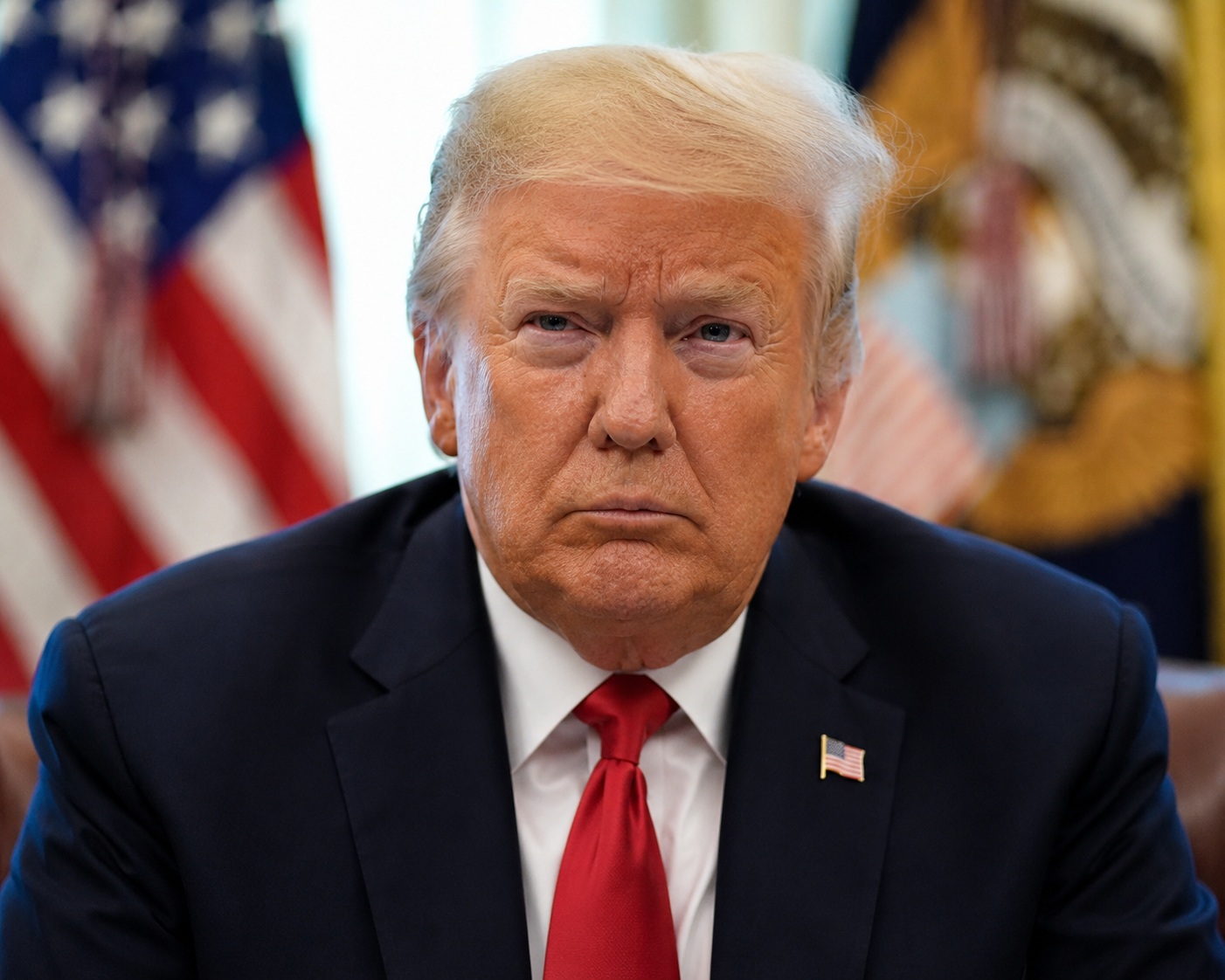
The military reorganization coincides with deadlocked negotiations between Iran and the U.S., with peace efforts mediated by Pakistan and Qatar facing increasing difficulties. President Donald Trump has sent mixed signals, alternating between threatening renewed attacks and expressing confidence that negotiations could resolve the conflict. Trump has also asserted "total control" Over the Strait of Hormuz, a claim Iran has disputed through attacks on passing vessels.
Pakistani Defense Minister Khawaja Asif told Bloomberg that the two sides are "close to some sort of arrangement," Though he provided no specifics. Pakistan's Interior Minister Mohsin Naqvi delivered a message Wednesday from Prime Minister Shehbaz Sharif and army chief Field Marshal Asim Munir, who is leading the mediation effort.
A June interim agreement has been undermined by recurring clashes and maritime disruptions. Pakistani Foreign Ministry spokesman Tahir Andrabi said Wednesday that the agreement's 60-day negotiating window could be extended.
Former U.S. Deputy Secretary of State Wendy Sherman offered a contrasting assessment, stating the parties are "definitely at a stalemate." She said that without U.S. Willingness to allow Iran and possibly Oman to impose voluntary tolls, provide sanctions relief, or unfreeze Iranian assets, reopening the strait sustainably appears unlikely. "I think the reality is for the foreseeable future, if not forever, Iran will control the Strait of Hormuz," Sherman said.
Separate Iran-Oman discussions over partial maritime shipping reopening have reached an advanced stage. Mohsen Rezaee, Iran's newly appointed security council secretary, said any such agreement would remain distinct from broader strait negotiations.
Conflict at sea has continued. U.S. Military officials reported that an Iranian missile struck an oil tanker Wednesday in the Gulf of Oman, causing light damage with no injuries.
Sources