IRAN THREATENS U.S.: IRGC Commander Warns American Troops Would Find Their 'Graves' On Iranian Islands
A senior Iranian Revolutionary Guard naval commander has issued threats of a severe response should U.S. Forces attempt to seize Iranian-controlled islands in the Persian Gulf, stating that American troops would become trapped in a destructive ground conflict.
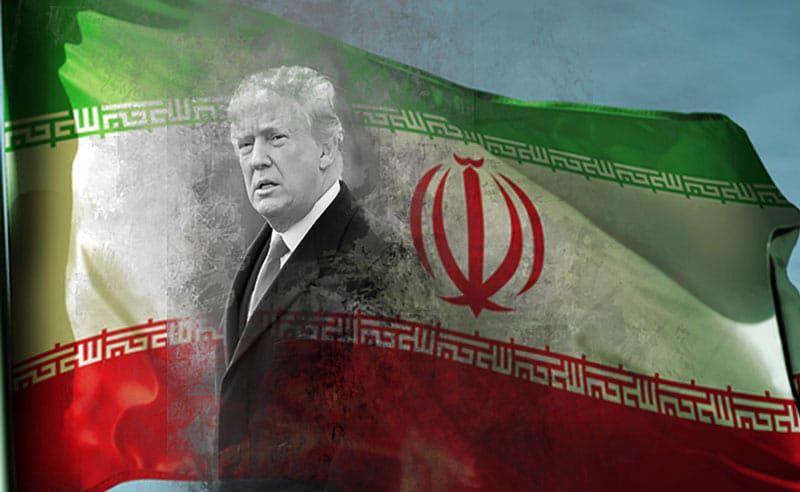
A senior Iranian Revolutionary Guard naval commander has issued threats of a severe response should U.S. Forces attempt to seize Iranian-controlled islands in the Persian Gulf, stating that American troops would become trapped in a destructive ground conflict.
Speaking to the Lebanese newspaper Al-Akhbar, the IRGC field commander said Iranian forces have prepared defensive and offensive strategies for such a scenario since 1995, with plans revised annually. The commander warned that Iran would place virtually no restrictions on its response if American forces moved to occupy the islands.
"The American military cannot establish a presence on the Iranian islands, even if it dares to launch a ground attack against them," He stated. "Maybe it can launch an attack with Marines and then immediately withdraw, but remaining on the islands is impossible. Suppose they occupy the islands and manage to establish their occupation, the islands will become their graves."
The commander indicated that Iranian retaliation would extend beyond the islands themselves. "The response to any attempt to occupy the islands will exceed all expectations," He said. "In addition to our focus on retaking the islands, there will be an unprecedented response that will break all previous red lines. Expect a historic response if such an attack begins."
The commander expressed his belief that conflict between Iran and the United States could resume in the near term. "I expect the war between us and them to return in the near future because the United States does not honor promises and agreements," He said.
Regarding the Strait of Hormuz, the commander asserted that control over whether to open or close the strategic waterway rests solely with Iran's leadership. He claimed Iranian forces had previously demonstrated the capability to rapidly close the strait following orders, with warnings issued through maritime channels and missiles fired at vessels attempting passage. He added that major direct naval confrontations had been avoided because large American warships and aircraft carriers did not approach the strait.
The commander stated that several Persian Gulf nations had contacted Tehran early in the conflict seeking passage permission, with the United Arab Emirates being the first to do so and later requesting approval to continue importing Iranian vegetables, which Tehran granted.
Sources