Iran weighs Hormuz plan banning Israeli and US ships, imposing cargo fines
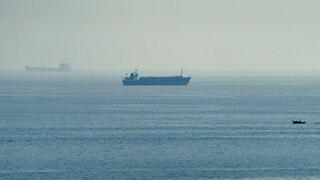
Iran's parliamentary National Security Committee is examining a preliminary "strategic plan for managing the Strait of Hormuz" That would prevent Israeli and American vessels from using the waterway, according to a report from Iran's Tasnim news agency.
Iran's parliamentary National Security Committee is examining a preliminary "strategic plan for managing the Strait of Hormuz" That would prevent Israeli and American vessels from using the waterway, according to a report from Iran's Tasnim news agency.
The proposed plan would also block passage of Israeli-linked military and civilian cargo, require compensation from countries deemed to have harmed Iran, and levy substantial fines on ships that breach the restrictions.
The plan remains under review and has not been finalized. It is distinct from separate negotiations between Iran and Oman regarding the reopening and management of strait traffic.
Ali Salimi, a member of the Iranian parliament's leadership, confirmed to Tasnim that the National Security Committee was reviewing the initial draft. The proposal includes six main elements: barring vessels from the United States, Israel, and other designated hostile nations; prohibiting military or civilian cargo linked to Israel; denying passage to ships involved in operations against the Iran-led "axis of resistance"; requiring compensation before authorizing passage for countries and entities deemed to have damaged Iran; imposing fines of up to 20 percent of cargo value on violators; and positioning Iran's government to provide navigation guidance, maritime traffic oversight, and security and environmental protection in cooperation with armed forces.
Enforcement mechanisms, the definition of "hostile states," And whether these measures could be incorporated into any agreement with Oman remain unclear.
Iran and Oman are negotiating a phased maritime arrangement for the strait, according to a source cited by Iran's Fars news agency. Under the framework, vessels would initially use a northern corridor near Iran's coast for entry and a southern corridor near Oman for exit. After a set period, all traffic would shift to a central corridor managed by Iran, with Iran and Oman jointly overseeing outbound vessels.
"The fees established for vessels passing through the strait will take the form of different service charges," The source said. The source denied disagreement between the nations over payments and noted that revenue would depend on services provided. "Insurance, refueling and environmental fees are among the services for which vessels would need to pay," The source said.
This position conflicts with the U.S. Stance that passage through any temporary route must remain free and unobstructed without tolls.
A Gulf official indicated Wednesday that Iran had secured some degree of control over the Strait of Hormuz. Another official told Reuters that certain details, including precisely how waterway control would be defined, remained incomplete.
The Associated Press reported that Iran and Oman had drafted an arrangement potentially allowing the strait to reopen, though it required final approval from Iranian Supreme Leader Mojtaba Khamenei. Iranian state television separately reported that President Masoud Pezeshkian characterized current communication with Khamenei as "very difficult."
As one of the world's most strategically vital maritime passages and a key route for Persian Gulf energy exports, any agreement granting Iran authority over entry, cargo approval, or transit fees would have substantial implications for international shipping, regional security, and global energy markets.
Currently, the restrictions outlined by Tasnim represent an Iranian proposal under domestic review rather than an established governing framework.
Sources