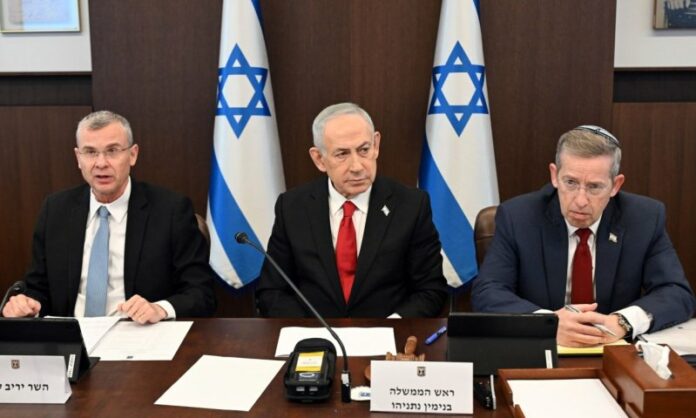
Israeli Prime Minister Binyomin Netanyahu is convening the country's restricted security cabinet on Friday for an unusual meeting as intelligence assessments suggest Iran could initiate the next phase of conflict by striking Israel first, with defense officials maintaining heightened alert status for potential escalation over the weekend.
The rare Friday session reflects preparations by Israel's security establishment for multiple scenarios based on updated intelligence indicating a possible shift in Tehran's strategic approach. Western intelligence agencies have developed assessments in recent days suggesting one leading scenario: Iran could launch hostilities itself to draw Israel into broader military confrontation, according to a report by Ynet citing analyst Nadav Eyal.
The assessments indicate Iranian leadership believes Israel may currently be reluctant to resume full-scale military operations and sees opportunity to exploit perceived strains between Jerusalem and Washington.
President Donald Trump told Israeli journalist Barak Ravid he is nearing a decision on Iran and considering a military strike that would surpass previous operations. "We are fully prepared for it," Trump said, adding that "Israel will join within two minutes if I ask them, but we don't need anybody."
Trump's comments come as regional tensions escalate. U.S. Central Command completed another strike wave against Iranian military targets, including advanced naval capabilities, missile and drone storage facilities, coastal surveillance sites, and air defense assets. American forces also conducted strikes on the Shalamcheh border crossing between Iran's Khuzestan Province and southern Iraq - an unprecedented action.
Israeli defense officials are monitoring regional developments while assessing Iran's intentions based on intelligence suggesting Tehran may increasingly accept calculated military risks. Friday's security cabinet meeting will focus on developing Israel's strategic response framework for emerging threats, encompassing intelligence and military readiness. Officials aim to ensure rapid response capability or preemptive action if necessary, and prevent Iran from exploiting perceived tactical or diplomatic vulnerabilities as it seeks to shift the conflict's balance.