Israel was being restrained before Hamas was disarmed
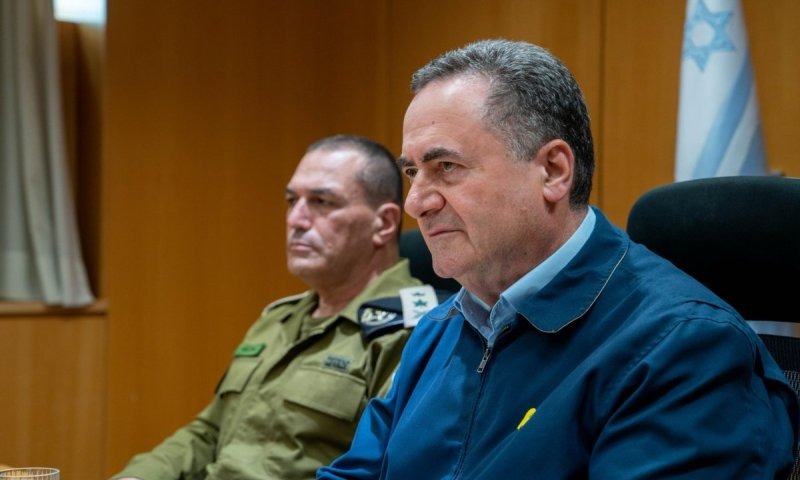
Israeli Prime Minister Benjamin Netanyahu rejected a 15-point Gaza roadmap on Sunday, stating that Israel would not withdraw from territory it controls before Hamas is genuinely disarmed.
Israeli Prime Minister Benjamin Netanyahu rejected a 15-point Gaza roadmap on Sunday, stating that Israel would not withdraw from territory it controls before Hamas is genuinely disarmed.
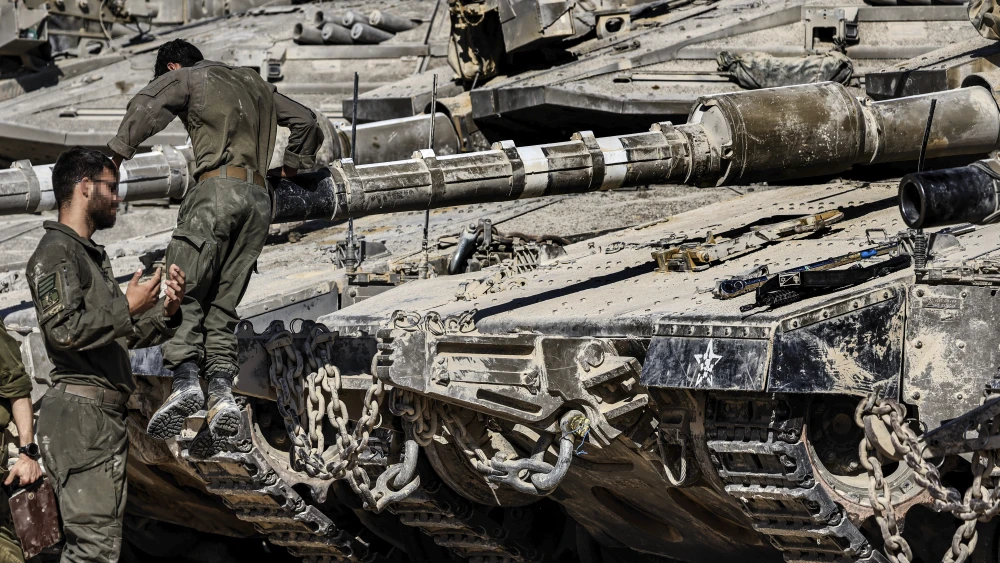
The disagreement centers on sequencing - whether Israel should relinquish military use and freedom of action while Hamas retains weapons, tunnels and coercive power. According to the analysis, deploying an International Stabilization Force before Hamas is substantially disarmed risks stabilizing Hamas rather than the Gaza Strip, as Israeli actions could be portrayed as threats to the diplomatic process.
Before Netanyahu's public rejection, operational consequences of diplomatic pressure were already apparent. Israeli media reports indicated the Israel Defense Forces had significantly tightened rules for targeted killings in Gaza. Targeted killings that once required approval from the Southern Command chief or division commander now required personal approval from the IDF chief of staff.
This policy change followed reports that Nickolay Mladenov, a Board of Peace official overseeing Gaza's postwar transition, pressed Israel to halt strikes as negotiations proceeded. Egypt, Qatar and Turkey simultaneously called for increased international pressure on Israel.
An asymmetry emerged: Hamas's disarmament obligations were deferred, gradual, conditional and open to interpretation, while Israel's restraint was expected to be immediate, visible and enforceable. Hamas representatives stated no disarmament would begin before Israeli withdrawal from Gaza, and questions remained about whether weapons would be destroyed, transferred or stored.
The analysis argues that diplomacy often confuses the appearance of a process with actual change in reality, measuring progress through declarations and announcements rather than verified disarmament. A genuine stabilization process, it contends, must begin by reducing Hamas's power rather than Israel's ability to confront it, with every concession linked to verified, measurable and irreversible steps. Israel should retain the right to act if Hamas violates obligations or if an international force proves unwilling or unable to enforce them.
Sources