# Rewritten Body
An issue drawing minimal public attention is poised to significantly shape Israel's next government formation. Arab political parties have designated the immediate repeal of the "Yishur Kav" Reform as a non-negotiable precondition for any coalition partnership. This reform addresses land settlement patterns in the Negev Desert.
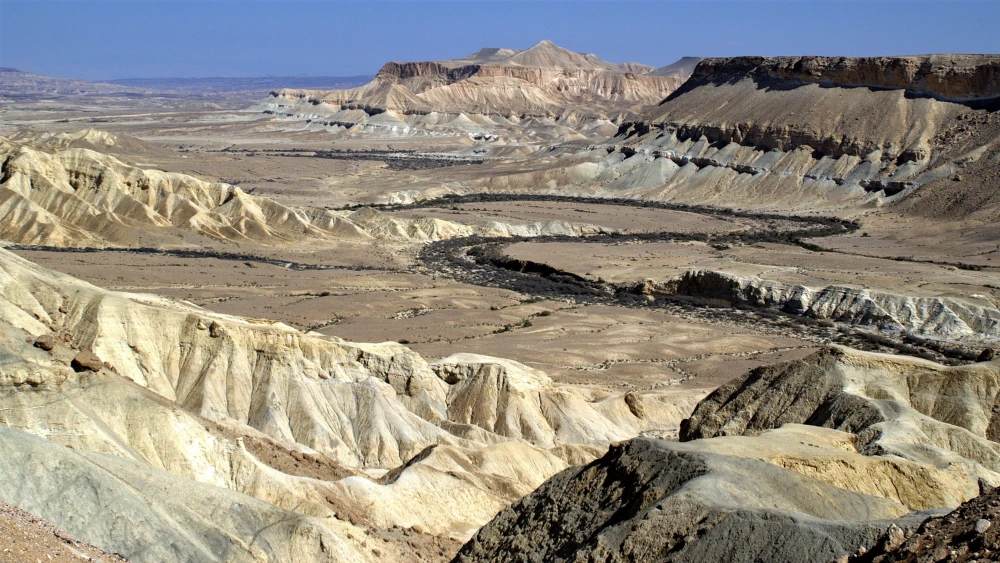
The town of Laqiya illustrates the core challenge. Developed by the State of Israel to house tens of thousands of Bedouin residents, it contains primarily small residential clusters amid expansive vacant spaces. Hundreds of prepared residential and commercial plots, developed at substantial public expense, remain unused while illegal Bedouin encampments surrounding the town continue expanding.
The underlying impediment stems from ownership claims. A segment of Israel's Bedouin population asserts ownership over approximately one million dunams of Negev land based on folk customs. Every ownership claim adjudicated in Israeli courts has been rejected, with the disputed land registered as state property because claimants lack recognized legal title under any historical legal system, including British or Ottoman law.
The complication arises from parallel legal systems operating in the region. While Israeli law governs the Negev technically, Bedouin customary law functions independently among the Bedouin sector. Under Bedouin custom, herding livestock in an area across generations establishes ownership. This customary understanding holds no legal standing in Israeli courts but shapes actual settlement patterns, as Bedouin resist occupying land another Bedouin has claimed.
For decades, Israeli governments proceeded without acknowledging these ground realities or understanding customary law, planning new towns on previously claimed land. The result created paralysis: millions of shekels were invested in developing largely vacant neighborhoods while tens of thousands of families remained in substandard illegal encampments, now numbering more than 100,000 structures.
The "Yishur Kav" Reform, developed by the Authority for the Development and Settlement of the Bedouin in the Negev, establishes a six-month window for compensation agreements. Claimants permitting other Bedouin to build on their claimed land receive substantial grants; refusal reduces compensation. After six months, state removal of land from town boundaries diminishes its value.
The reform includes a safeguard: compensation payments occur only after another Bedouin family actually resides on the plot, providing practical evidence of genuine relinquishment. Simultaneously, the state continues developing unencumbered state land to accommodate residents relocating from squatter camps.
The plan has reached a critical juncture. Future governments that weaken, freeze or abandon the initiative would set the Negev back substantially, leaving tens of thousands in poverty while surrendering the region to continued disorder.