Kushner Hints at New Middle East Breakthrough Six Years After Abraham Accords: 'We Can Do It Again'
Jared Kushner marked the sixth anniversary of the Abraham Accords on Thursday, celebrating the agreements' accomplishments while suggesting new diplomatic breakthroughs may be forthcoming in the Middle East.
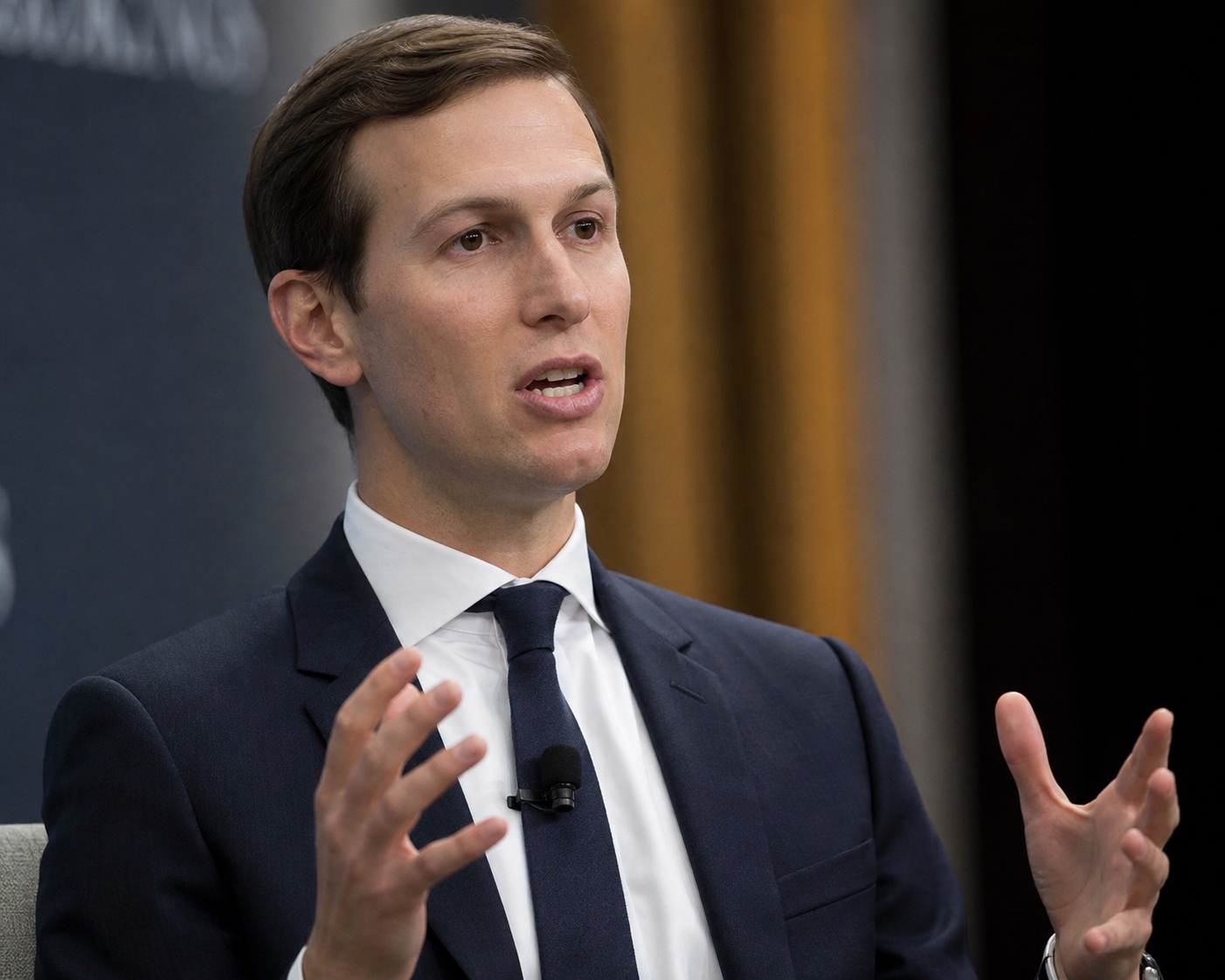
Jared Kushner marked the sixth anniversary of the Abraham Accords on Thursday, celebrating the agreements' accomplishments while suggesting new diplomatic breakthroughs may be forthcoming in the Middle East.
Kushner, President Donald Trump's son-in-law and key architect of the original accords, did not identify specific countries or reveal negotiation details. However, his repeated references to new "breakthrough opportunities" And the chance to build an "even broader movement" Sparked speculation about potential additional agreements.
"Six years ago, President Trump launched the Abraham Accords and opened a new chapter of peace, partnership, and prosperity in the Middle East," Kushner wrote in a post on X Thursday morning. "Many said it was impossible. But with courageous leadership, persistence, and a small group of people willing to challenge old assumptions, we proved that the impossible could be achieved."
The Abraham Accords, negotiated during Trump's first term, reshaped Middle Eastern diplomacy. The United Arab Emirates and Bahrain established formal relations with Israel in 2020, followed by Morocco's normalization and Sudan's move toward normalization.
Kushner characterized the accords as more than bilateral diplomatic ties. He described them as a departure from decades of Middle Eastern diplomacy focused on managing rather than resolving conflicts.
"For too long, the region was trapped by old ideas and failed frameworks that managed conflict rather than solved it, and too often created incentives that perpetuated division and instability," Kushner wrote.
He outlined the accords' underlying philosophy: building practical relationships and mutual interests that benefit participating nations and populations. "The idea behind the Abraham Accords was simple: instead of reinforcing the things that divide people, build bonds that bring them together. Increase understanding. Expand trade and investment. Deepen security cooperation. Create tangible benefits that make people's lives better and give everyone a stake in peace."
Kushner cited resulting economic and diplomatic relationships as evidence of success, noting that "what began as a bold vision has delivered billions in trade, joint innovation, new friendships and partnerships, and a powerful alternative to the failed approaches of the past."
He then turned to current prospects, stating "The Middle East is once again at an inflection point. There are breakthrough opportunities today that many will say are impossible." He urged leaders to "reject conventional thinking, focus on common interests, and have the courage to pursue a better future."
Kushner's use of plural "opportunities" Suggested the administration may be pursuing multiple normalization agreements rather than a single one. Saudi Arabia is widely expected to feature prominently in speculation about his remarks, as normalization between Israel and Saudi Arabia has long been viewed as a significant potential expansion of the accords.
"Now we have an opportunity to build an even broader movement around cooperation, shared prosperity and security - and replace the failed ideas of the past with a new model that gives people across the region something better to believe in and build toward," Kushner wrote.
Kushner closed with a declaration suggesting the accords model could expand substantially: "We surprised the world once. With the right leadership, focus, patience and courage, I believe we can do it again."
The post provided no timeline or indication of whether negotiations with additional countries have advanced significantly.
Sources