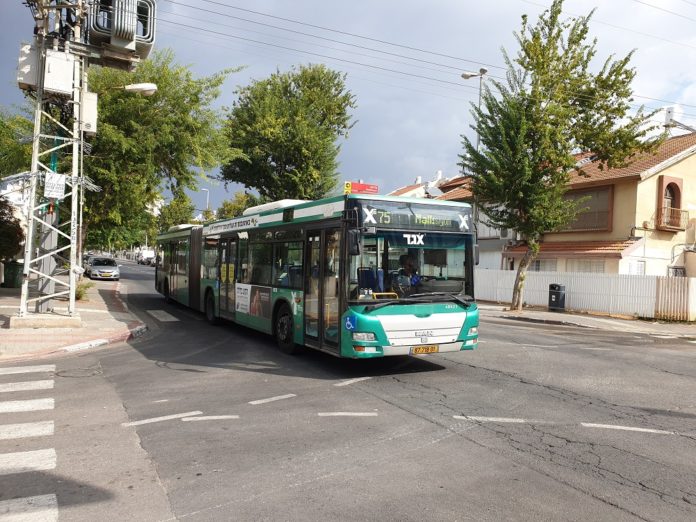
Israel's bus fleet comprises 25,962 vehicles, with Volvo maintaining its position as the largest supplier despite growing competition from Chinese manufacturers.
Volvo leads with 4,802 buses, representing approximately 18.5% of the total fleet, followed by Mercedes-Benz with 4,197 buses at about 16.2%. Chinese manufacturers have secured substantial market share, with Golden Dragon ranking third at 3,358 buses and Higer fourth with 2,611 vehicles.
During 2025, 2,229 new buses entered service. Higer led new registrations with 578 units, followed by Mercedes-Benz with 551. Volvo added 258 buses while Golden Dragon registered 222. Additional Chinese manufacturers contributed significantly, with Yutong adding 135 buses and BYD 70.
Public transit buses constitute the largest segment, with 24,124 vehicles representing nearly 93% of the fleet. The remaining buses include 1,092 privately operated vehicles and 746 tour buses.
The average fleet age stands at approximately 5.2 years overall. Public transit buses average about five years old, privately operated buses 6.1 years, and tour buses exceed ten years.
Buses with 51 or more seats represent the largest capacity category at 12,308 vehicles, or roughly 47.4% of the fleet. Another 8,609 buses accommodate between 21 and 40 passengers, while 3,309 carry up to 20.
Among major manufacturers, Higer maintains the youngest fleet with an average age under two years, while Golden Dragon also operates relatively new vehicles. MAN and Yutong buses average ages exceeding seven years.