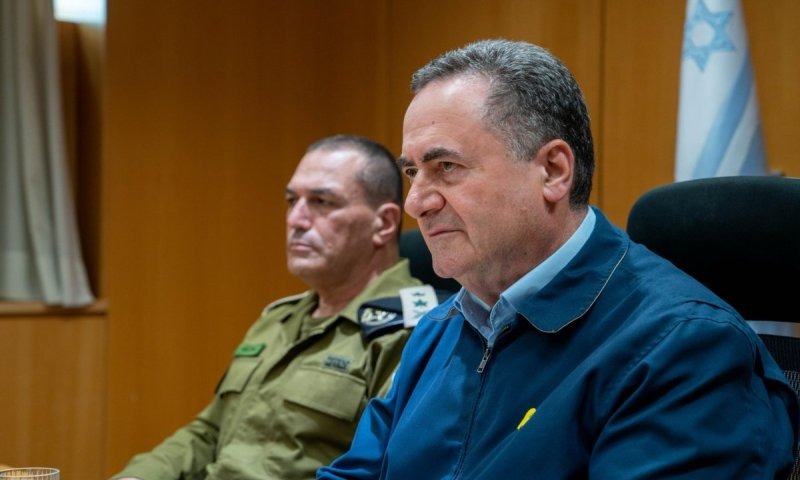
Netanyahu's congressional call for a NATO-style alliance to counter Iran gives way to a Sunni state alliance
When Israeli Prime Minister Benjamin Netanyahu addressed Congress in July 2024, he outlined a vision for a NATO-style regional security alliance against Iran. "In the Middle East, Iran's axis of terror confronts America, Israel and our Arab friends," Netanyahu told lawmakers.
When Israeli Prime Minister Benjamin Netanyahu addressed Congress in July 2024, he outlined a vision for a NATO-style regional security alliance against Iran. "In the Middle East, Iran's axis of terror confronts America, Israel and our Arab friends," Netanyahu told lawmakers. "America and Israel can forge a regional security alliance in the Middle East to counter the growing Iranian threat. All countries that are at peace with Israel and all those countries that will make peace with Israel should be invited to join this alliance."
Netanyahu called this proposal the "Abraham Alliance," Citing an April 2024 interception of over 300 Iranian drones and missiles by a coalition of American, Israeli, Arab and Western forces as evidence of feasibility. The concept appeared logical given Iran's long-standing construction of a Shi'ite network of influence extending through Baghdad, Damascus, Beirut and Yemen, which threatened both Israel and moderate Arab states through proxies including Hezbollah, Hamas, Iraqi militias and the Houthis.
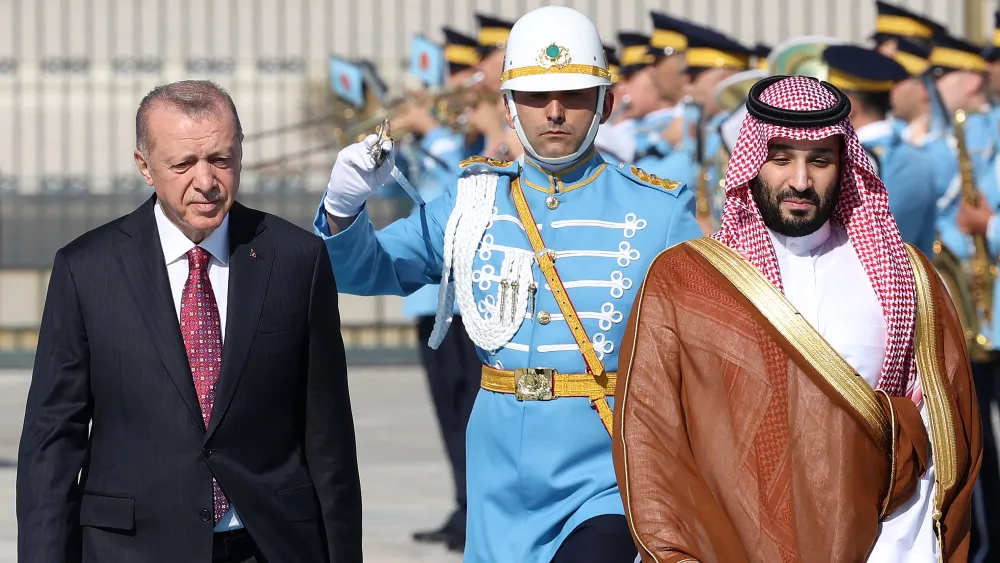
The regional alignment has since taken an unexpected direction. Rather than an Israel-centered alliance, a comprehensive mutual defense agreement has emerged among Saudi Arabia, Turkey and Pakistan. Turkish Foreign Minister Hakan Fidan noted the pact's collective defense provision is technically equivalent to NATO's Article 5.
This new coalition carries strategic weight: Saudi Arabia controls substantial financial resources and Islam's holiest sites, Turkey contributes NATO's second-largest military, and Pakistan is the Muslim world's only nuclear-armed state. All three are Sunni-majority nations.
Saudi Arabia's shift toward this arrangement stems from escalating attacks by Iranian-backed Houthi forces in Yemen and Iranian-backed militias in Iraq. Seeking immediate security assurances, Riyadh turned to Ankara and Islamabad.
For Israel, the development presents complications. While the alliance targets Iran, the inclusion of Turkish President Recep Tayyip Erdoğan - who has maintained hostile rhetoric toward Israel - requires careful consideration. President Donald Trump previously noted his administration worked to prevent Turkish involvement in the broader regional conflict.
However, the new pact does not necessarily preclude Saudi Arabia from pursuing future normalization with Israel. Riyadh remains opposed to Iranian hegemony and aligned with Washington's interests. The United States may also be quietly supporting this arrangement, as it establishes a regional containment mechanism against Iran without requiring increased American military deployment.
Iran's strategy of building influence through regional proxies now faces a different landscape. With its economy deteriorating and proxy networks weakened, Tehran confronts both an Israeli military prepared for defense and an emerging three-nation Sunni defense bloc.
Sources