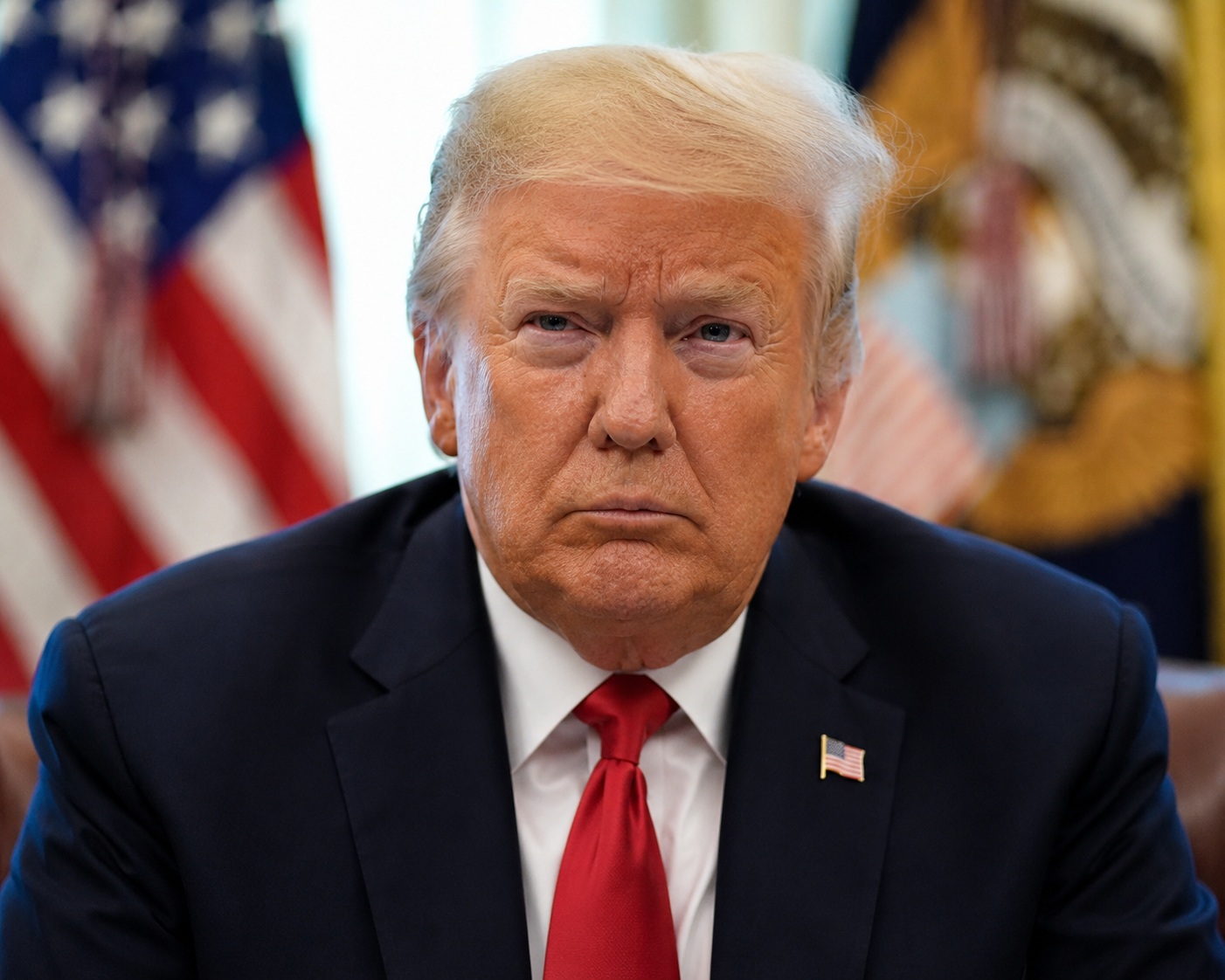
Nigel Farage Faces Off Against Count Binface In Special Election That's Been Denounced As A Stunt
Nigel Farage, leader of the anti-immigration party Reform UK, triggered a special election for his Parliament seat hoping to resolve questions about his finances. However, the major political parties declined to field candidates, leaving voters in the seaside town of Clacton to choose between Farage and an unusual field of contenders, including Count Binface, a political satirist dressed as a comic space alien.
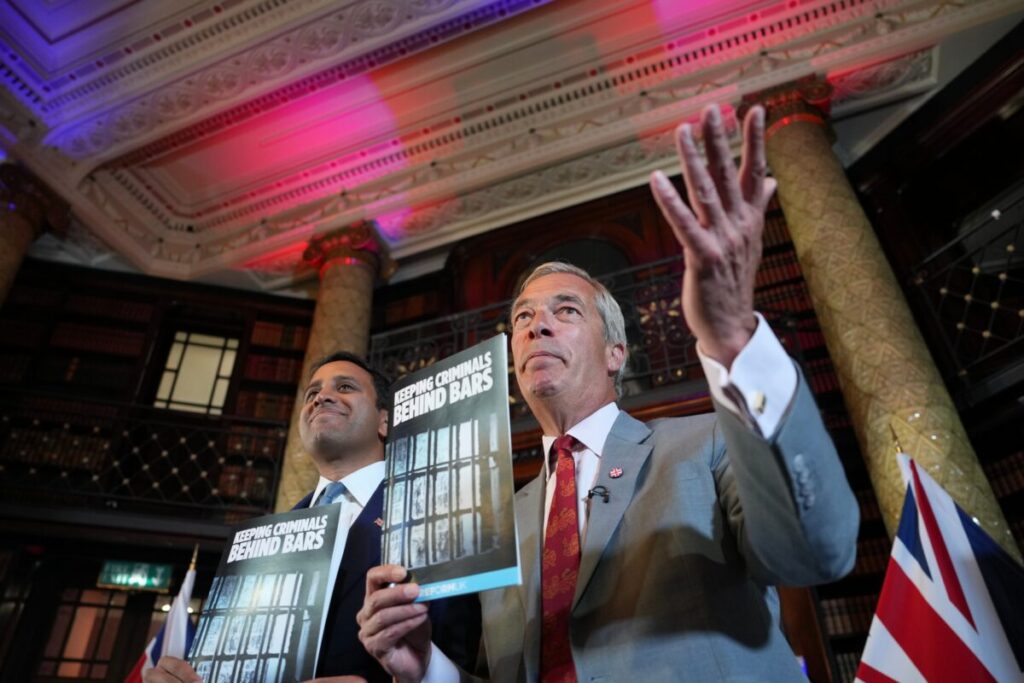
Nigel Farage, leader of the anti-immigration party Reform UK, triggered a special election for his Parliament seat hoping to resolve questions about his finances. However, the major political parties declined to field candidates, leaving voters in the seaside town of Clacton to choose between Farage and an unusual field of contenders, including Count Binface, a political satirist dressed as a comic space alien.
Farage had described the election as a "people versus the establishment" Contest, but his political opponents rejected participation, characterizing the move as a stunt. The candidate filed to step down on July 7, calling the scrutiny of his finances an "establishment hit job" And a media-driven "witch-hunt." Parliament's standards watchdog is investigating an undeclared donation of 5 million pounds to Farage in 2024 from a Thailand-based cryptocurrency billionaire. Farage contends the money was a personal gift for security and did not require declaration before his election, though newly elected lawmakers must disclose gifts exceeding 300 pounds if related to political activities.
The election features a record 34 candidates, including figures from The Official Monster Raving Loony Party and the Everyone is God Party. Voters will receive a ballot approximately 3 feet long. Count Binface, portrayed by middle-aged comedian Jon Harvey, has previously stood against prime ministers Boris Johnson and Rishi Sunak. Harvey says his candidacies show the strength of British democracy. Joke candidates are a longstanding tradition in British elections, requiring a 500-pound deposit refundable only if they secure 5% of votes.
In the July 2024 general election, Farage won with 21,225 votes, or 46.2% of the total, facing eight rivals. Turnout stood at 58.7%. Low turnout is expected this time, as the election coincides with summer holidays and a heatwave. Should Farage win and subsequently breach parliamentary rules, residents could trigger a recall petition leading to another special election.
Sources