Oil Prices Settle, Wall Street Inches Higher Ahead Of New Inflation Numbers Due This Week
Wall Street was set for modest gains in early trading Tuesday as oil prices stabilized following volatility tied to uncertainty about the reopening of the Strait of Hormuz. S&P 500 futures rose 0.1% ahead of the opening bell, while Dow Jones futures dipped 0.1% and Nasdaq futures climbed 0.3%.
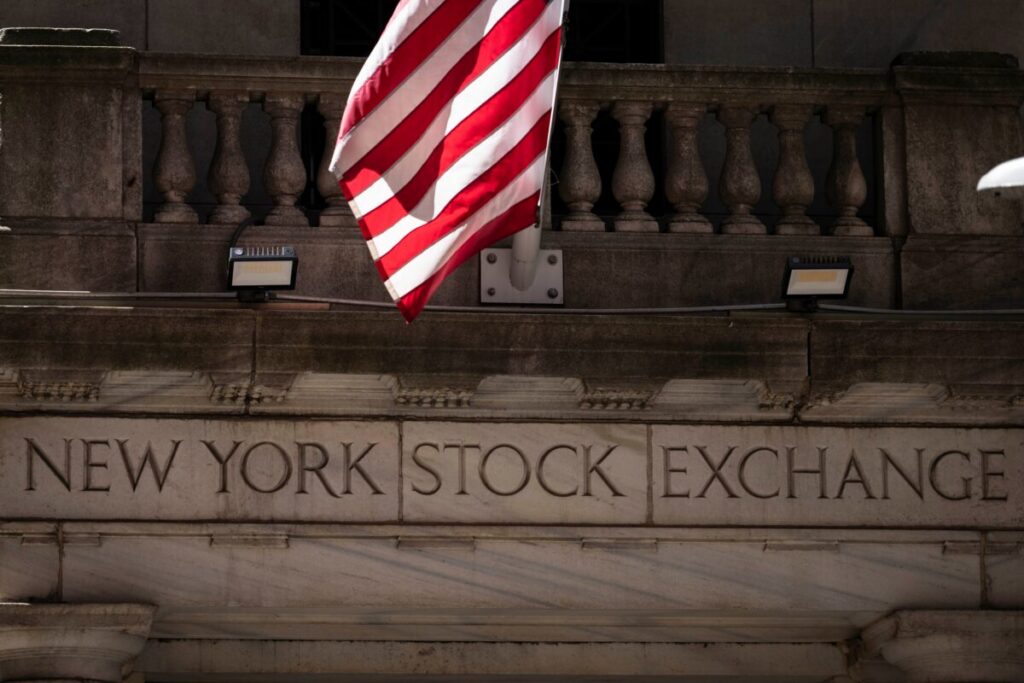
Wall Street was set for modest gains in early trading Tuesday as oil prices stabilized following volatility tied to uncertainty about the reopening of the Strait of Hormuz. S&P 500 futures rose 0.1% ahead of the opening bell, while Dow Jones futures dipped 0.1% and Nasdaq futures climbed 0.3%.
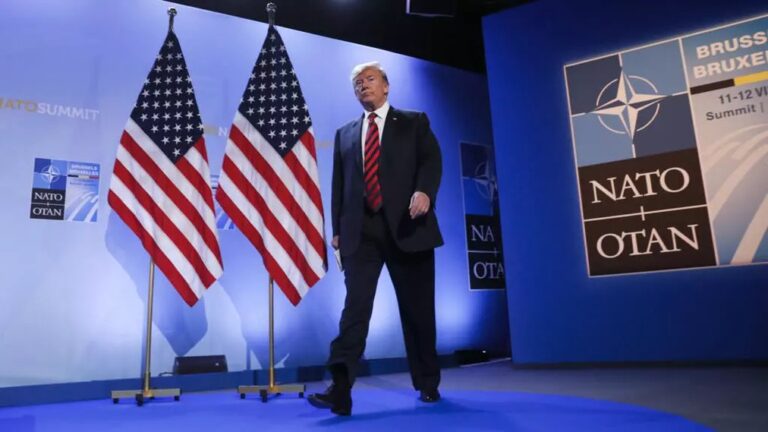
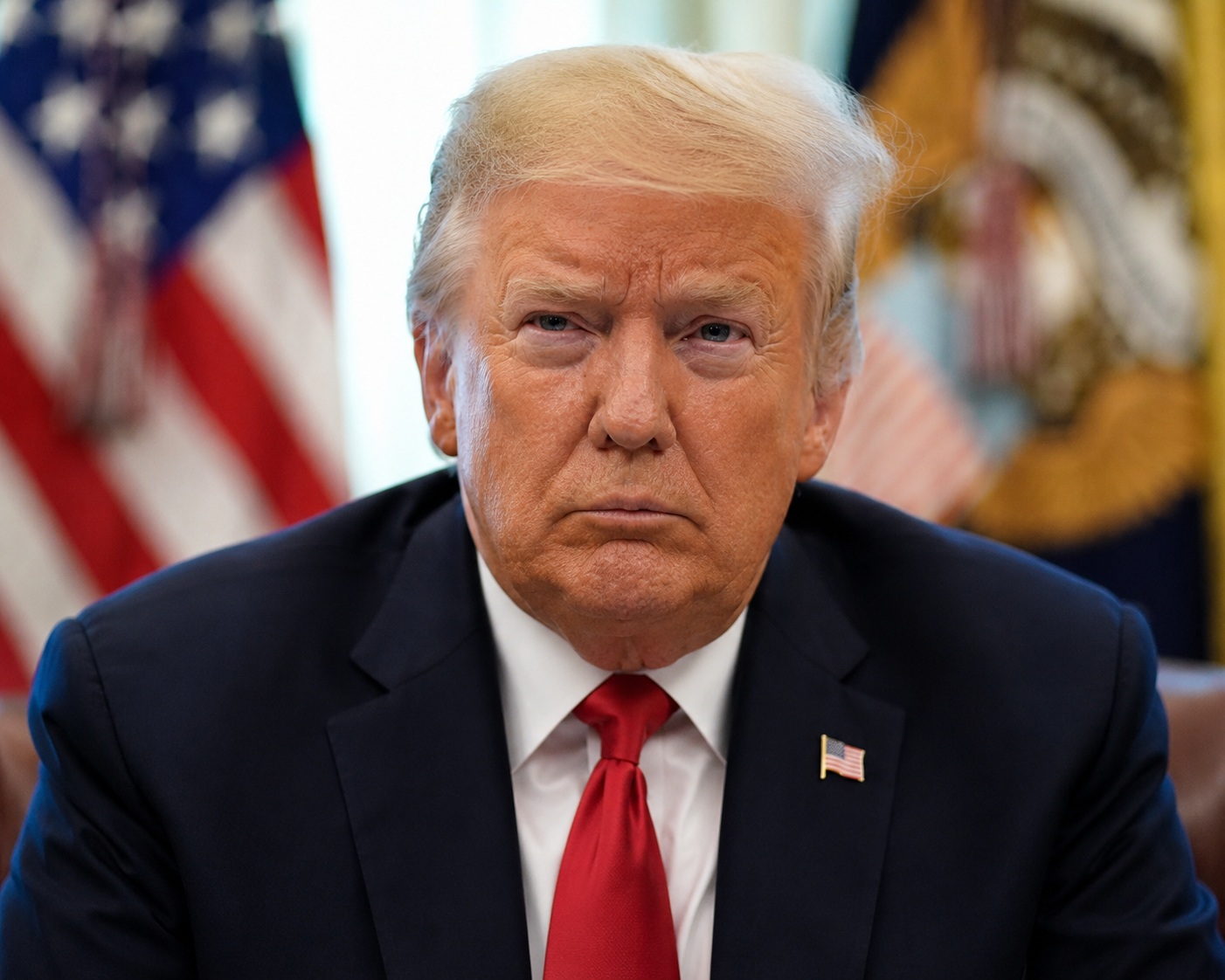
Oil markets experienced sharp swings early in the session. Brent crude, which had risen about 2.5% at one point, finished down slightly at $87.61 a barrel, while U.S. Benchmark crude ticked up to $82.19. The movement followed a significant jump of more than 5% the previous day after President Donald Trump rejected Iran's demands that the U.S. Pay for war damages as a condition for reopening the strait. Major U.S. Oil company shares - Chevron, ExxonMobil and ConocoPhillips among them - showed little change early Tuesday after surging 4.5% on Monday.
Oil has swung between $72 and $102 over the past month as prospects for a U.S.-Iran agreement permitting free passage of oil tankers through Middle East waters have fluctuated. The price volatility has kept gasoline elevated, with the national average for regular gasoline rising to $4.01 a gallon according to AAA, well above typical consumer levels and contributing to broader inflation pressures.
The week's primary focus for markets will be Wednesday's inflation update for July. Economists anticipate the rate slowed to 3.4% from 3.5% in June, potentially easing pressure on the Federal Reserve to raise interest rates - a consideration made more pressing by weak U.S. Jobs data released Friday.
European markets were mixed at midday, with Paris's CAC 40 declining 0.1%, Germany's DAX rising 0.1%, and Britain's FTSE 100 flat. Asian markets showed varied movement, with South Korea's Kospi gaining 0.7% to 6,345.53 and Samsung Electronics jumping 4.1%. Memory chipmaker SK Hynix advanced 0.4%. According to Ipek Ozkardeskaya, senior analyst at Swissquote, "Broadly, for the Korean memory chipmakers, the past year's chip mania could well be over, even though Korean chipmakers will continue to benefit from the massive AI build out." Hong Kong's Hang Seng fell 1.1% to 25,652.82 and Shanghai's Composite index dropped 0.8% to 3,934.09. Australia's S&P/ASX 200 gained 0.2% to 9,250.60 after the Reserve Bank held rates at 4.35%. Taiwan's Taiex rose 0.4% while India's Sensex shed 0.5%.
Sources