SAUDI EXPORTS GO DARK: Red Sea Tankers Switch Off Tracking Amid Houthi Threat
Saudi Arabia is increasingly routing crude oil from its Red Sea export terminals using tankers that do not broadcast public tracking signals, as heightened concerns over Houthi attacks reshape shipping patterns in the region.
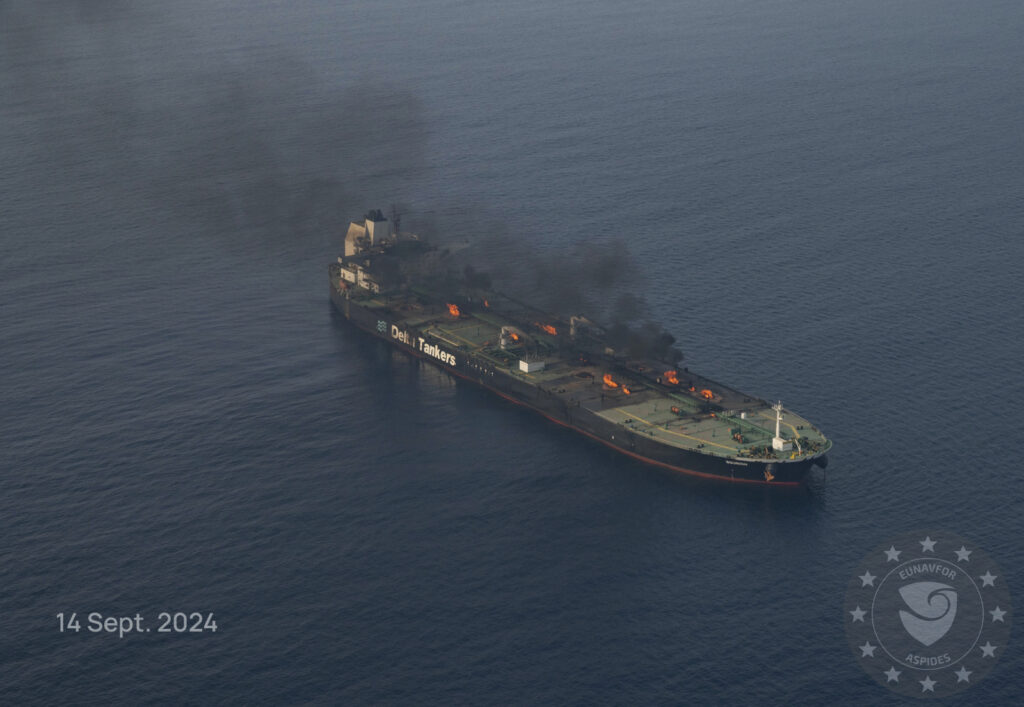
Saudi Arabia is increasingly routing crude oil from its Red Sea export terminals using tankers that do not broadcast public tracking signals, as heightened concerns over Houthi attacks reshape shipping patterns in the region.
Yanbu, Saudi Arabia's major Red Sea oil terminal, has become the focal point of this shift. According to a Vortexa analyst, all recent oil liftings from Yanbu were conducted without Automatic Identification System signals - the standard tracking mechanism for vessel movements. A Kpler analyst indicated that approximately 70% of Saudi west coast loadings in recent weeks involved vessels without continuous AIS coverage. This practice obscures Saudi export volumes and complicates assessments of global oil flows for traders and analysts.
The change reflects ongoing security threats in the region. Traffic through the Bab al-Mandeb Strait, a key Red Sea passage, has declined to an average of 32 ships per day, down from roughly 50 daily before recent blockade announcements by Houthi groups, according to Kpler data.
In response, Saudi Arabia has increased shipments northward through alternative routes. The SUMED pipeline, which connects the Red Sea to the Mediterranean, and alternative sailing routes have seen increased use. Loadings from Sidi Kerir on the Mediterranean averaged a record 2.17 million barrels per day last week, approximately 50% higher than the previous week, with roughly 90% comprising Saudi crude.
Security concerns have also elevated war-risk insurance expenses and prompted operational changes among shipping companies. Major tanker operator DHT previously exited Red Sea routes through the Bab al-Mandeb. The company's chief executive stated that "the situation has become more difficult" And that most of the company's very large crude carrier loadings have been redirected north and northwest rather than through the Red Sea.
Sources