Secret Syrian Nuclear Cache to Be Removed in US-Brokered Breakthrough
A hidden cache of radioactive material from Syria's defunct nuclear program is being removed by the International Atomic Energy Agency under an agreement brokered by the Trump administration between Syria and Israel, according to reporting by Axios.
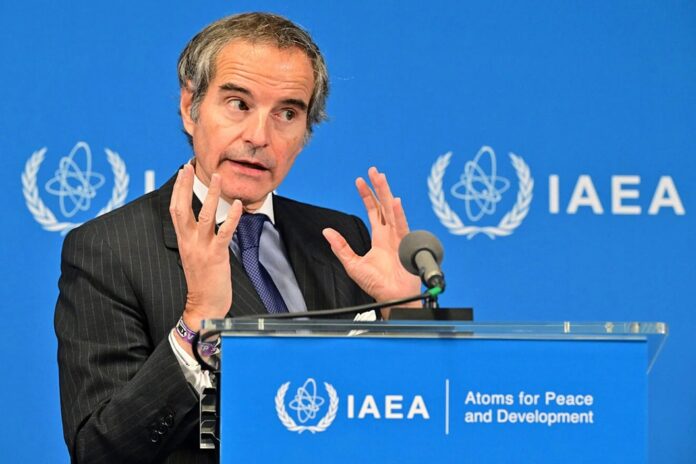
A hidden cache of radioactive material from Syria's defunct nuclear program is being removed by the International Atomic Energy Agency under an agreement brokered by the Trump administration between Syria and Israel, according to reporting by Axios.
The arrangement followed months of behind-the-scenes coordination among American, Israeli, and Syrian officials. The IAEA will retrieve radioactive materials from a secret Syrian facility that had become a growing security concern. US and Israeli sources told Axios that the Trump administration led negotiations involving senior officials in Damascus and Jerusalem.
Officials said the diplomatic effort prevented a potentially explosive dispute that could have triggered military action involving Israel, Syria, and possibly Turkey over control of the site.
Under Bashar al-Assad, Syria pursued a nuclear program centered on the Al-Kibar reactor, which was destroyed in a 2007 Israeli airstrike. Research facilities and storage locations connected to the project remained intact afterward. Following Assad's government collapse, Syria's new leadership agreed with the IAEA to permit inspectors to visit Al-Kibar and other sites tied to the former nuclear activities.
Israeli intelligence monitored a location known as "Site 99" Over the past two years. According to Israeli officials cited by Axios, the Assad regime stored radioactive material there originating from the Al-Kibar program. A US official confirmed the stockpile included yellowcake - a processed uranium ore concentrate - along with other leftover nuclear-related materials.
While the material could not directly manufacture a nuclear weapon, specialists warned it could be incorporated into a "dirty bomb." The IDF struck the entrances to "Site 99" Following Assad's downfall to prevent access to the facility.
American and Israeli security officials spent more than a year developing a plan for handling the site, with the White House National Security Council coordinating closely with the Israeli Prime Minister's Office.
An Israeli official said Israel made clear to Washington it would not allow radioactive materials to remain in Syria. Israeli officials indicated they were prepared to conduct additional strikes if the stockpile was not removed or if Syrian personnel attempted to access the site. A US official noted that despite Israeli concerns, an immediate military operation was not viewed as imminent.
Washington and Jerusalem concluded that working directly with Syria's new government offered the safest solution. When US officials informed Damascus about the materials, Syrian authorities reportedly said they had no prior knowledge the stockpile existed.
"Very few people in the US, Israel and Syria were aware of this," A US official told Axios, adding that Washington has developed an effective relationship with post-Assad authorities. "When we work with the Syrians on things, they are good partners."
Several weeks ago, Israeli surveillance detected activity near "Site 99," Raising concerns Syria was attempting to recover the radioactive material. Israeli officials also considered the possibility that Turkey was assisting Damascus.
Rather than support military action, the Trump administration urged Israel to wait while arranging for the IAEA to intervene. Those efforts resulted in a formal agreement three weeks ago between the agency and the Syrian government to remove the materials from the site.
Sources