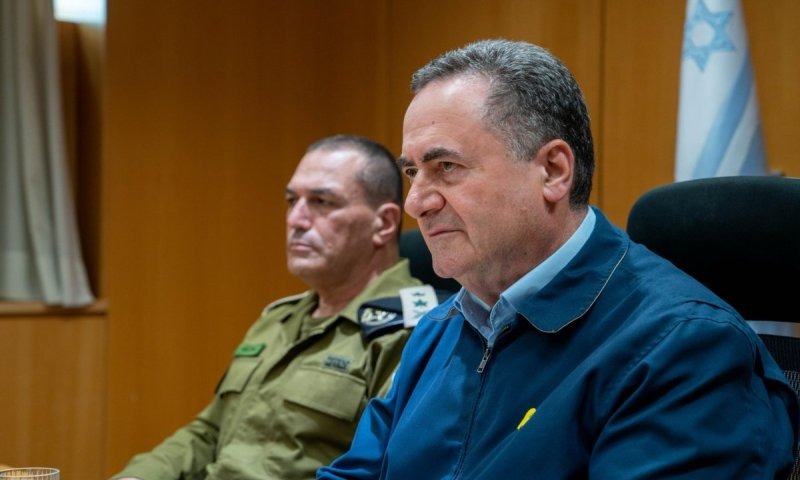
Severe Gaza Restrictions: "Even Armed Terrorists Can't Be Targeted Without Approval"
The IDF has suspended proactive strikes in Gaza, shifting to a policy of near-total restraint in recent days. Prime Minister Binyamin Netanyahu declared during Sunday's security cabinet meeting that Israel is rejecting a 15-point plan for Gaza and will not withdraw from the Strip until Hamas is fully and genuinely disarmed.
The IDF has suspended proactive strikes in Gaza, shifting to a policy of near-total restraint in recent days. Prime Minister Binyamin Netanyahu declared during Sunday's security cabinet meeting that Israel is rejecting a 15-point plan for Gaza and will not withdraw from the Strip until Hamas is fully and genuinely disarmed. Trump administration officials were reported by Channel 12 to be unconcerned by Netanyahu's statement, attributing it to election considerations and noting that Israel has refrained from carrying out strikes in Gaza for the past five days.
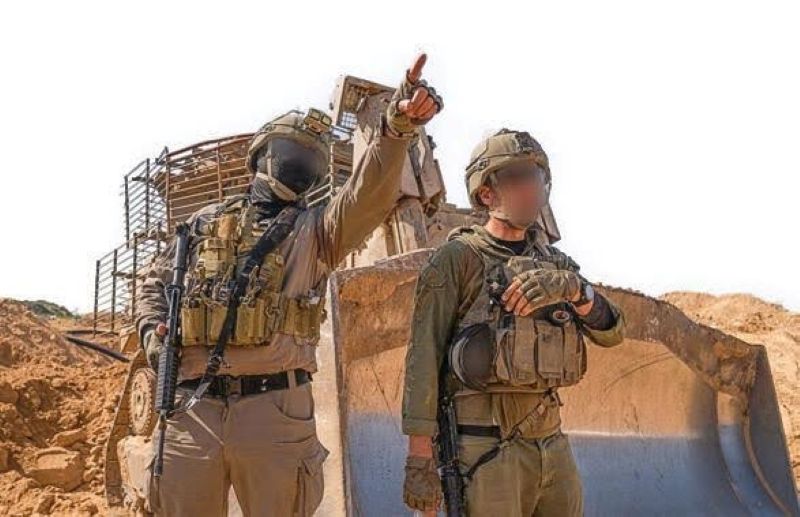
Commanders told Ynet that any operation beyond the Yellow Line - including opening fire on armed terrorists - now requires approval from the highest levels, with some strikes requiring direct authorization from the IDF Chief of Staff. Senior officers and soldiers described a marked change from the previous approach, when targeted killings were conducted daily with broad operational freedom. "There were targeted killings here every day, sometimes several times a day," One officer said. "We were hunting them down. They felt hunted and kept moving from place to place, but because we were constantly pursuing them, many operational opportunities arose. When you don't have to seek approval from too high up the chain of command, you can act quickly and take advantage of those opportunities. Now it's quiet. There's nothing happening."
Officers stressed that the new restrictions do not immediately endanger IDF troops, as forces retain authorization to respond directly to threats without higher approval. However, some officers warned that Hamas may exploit the operational pause to rebuild. One officer compared it to the Lebanon situation following earlier operations, when forces had broad freedom of action before restrictions took effect. Soldiers in Gaza reported that the enemy recognizes changes in IDF operational patterns. "They see what's happening. They're not stupid," One officer said. "I assume they'll start rebuilding things they wanted to rebuild but couldn't while the strikes were continuing."
Also, rules of engagement along the Yellow Line have changed. A reserve officer expressed concern about the shift from orders to neutralize enemy crossings to arrest procedures, warning the command underestimates Hamas's intent and capability to conduct significant operations.
Sources