Slotkin joins Cruz, Knott, Suozzi in leading federal buffer zone bill
A bipartisan group of lawmakers introduced the Right to Worship Act on Thursday, legislation designed to establish a 100-foot buffer zone around houses of worship and restrict activities that disrupt or impede access to religious services.
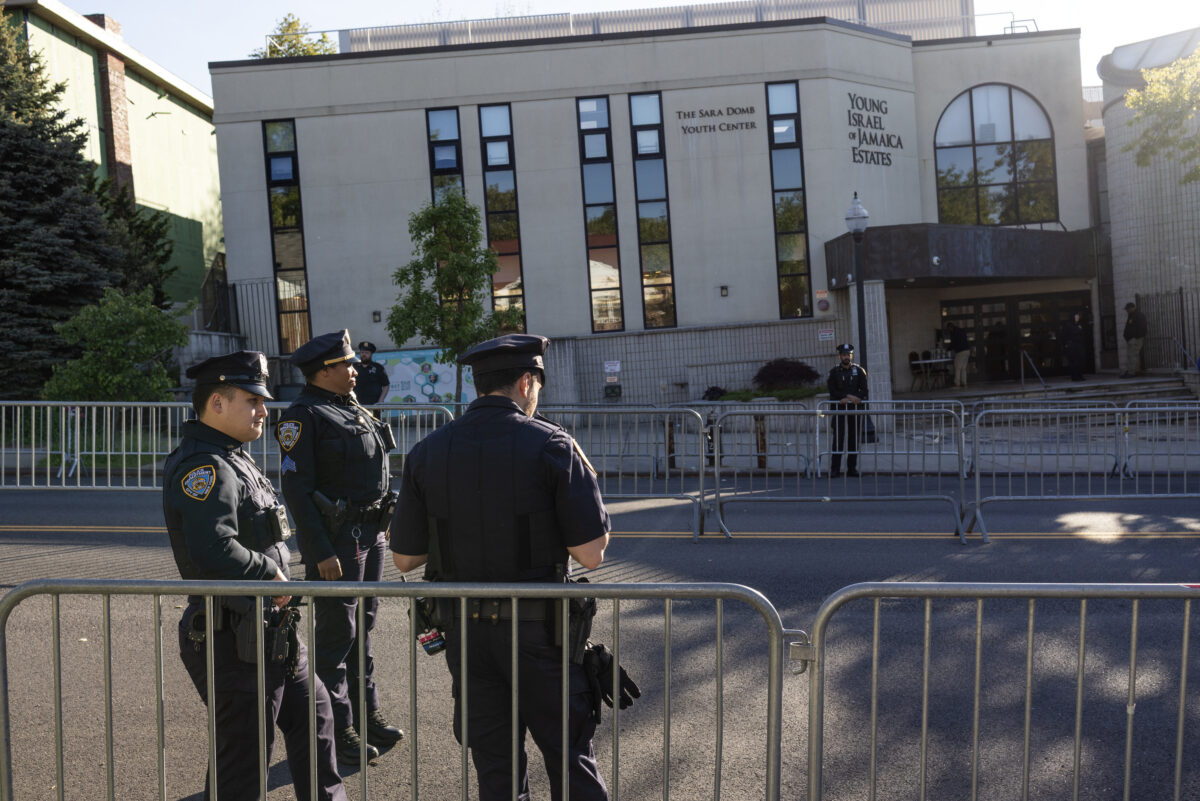
A bipartisan group of lawmakers introduced the Right to Worship Act on Thursday, legislation designed to establish a 100-foot buffer zone around houses of worship and restrict activities that disrupt or impede access to religious services.
The bill, led by Sen. Elissa Slotkin (D-MI), Sen. Ted Cruz (R-TX), Rep. Brad Knott (R-NC), and Rep. Tom Suozzi (D-NY), follows months of negotiations among lawmakers and supporters. Additional cosponsors include Reps. Josh Gottheimer (D-NJ) and Mike Lawler (R-NY).
The legislation would prohibit conduct that "meaningfully interferes with the ability of people to participate in the scheduled religious service, to the extent that the conduct causes a substantial interruption to the service's normal operation" Or "unreasonably hinders or deters a person from entering a house of worship, or threatens or intimidates a person, in a manner that prevents participation at a scheduled religious service." The protections would apply during religious services and for one hour before and after them.
The bill would impose escalating civil fines for repeated violations and allow affected individuals, the U.S. Attorney general, or state attorneys general to bring civil suits. It includes specific carve-outs for permitted demonstrations conducted under reasonable time, place, and manner restrictions.
Rep. Knott stated: "Today, many Americans are unable to worship without fear of harassment, assault, or other forms of intimidation. The right to worship freely is foundational to our nation and was one of the motivations for its founding. No American should ever feel that their choice is between worshiping in fear and not worshiping at all."
Rep. Suozzi noted in an interview: "I don't think that a person should have to show particular courage just to pass a gauntlet to attend a religious service." He emphasized the legislation targets disruptive behavior rather than peaceful protest: "This is about people yelling and screaming or people who are doing it week after week after week after week only at the religious service."
Sen. Cruz said in a statement: "The First Amendment guarantees every American the right to freely exercise their faith, and Congress has a duty to ensure that guarantee is met."
The bill was developed significantly by Hudson Bay Capital CEO Sander Gerber and Moshe Davis, who led the New York City Mayor's Office to Combat Antisemitism. Gerber's father's synagogue in Ann Arbor has faced weekly antisemitic demonstrations during Shabbat services for more than two decades.
The legislation emerged partly in response to incidents of violence and harassment at Jewish institutions nationwide. Major Jewish organizations - including the Anti-Defamation League, Orthodox Union, American Jewish Committee, and others representing diverse faith communities - have backed the bill. The ADL documented more than 530 incidents of harassment at synagogues last year.
ADL CEO Jonathan Greenblatt stated: "No one should have to push through a hostile crowd or shout over a bullhorn in an attempt to pray."
Supporters argue the bill balances free speech protections with religious freedom. Despite limited time remaining in the congressional session, Rep. Suozzi expressed confidence the legislation can pass this year, citing strong bipartisan support.
Sources
Related