Slotkin joins Cruz, Knott, Suozzi in leading federal buffer zone bill
A bipartisan group of lawmakers introduced the Right to Worship Act on Thursday, federal legislation designed to establish a 100-foot buffer zone around houses of worship and restrict disruptive activity during religious services.
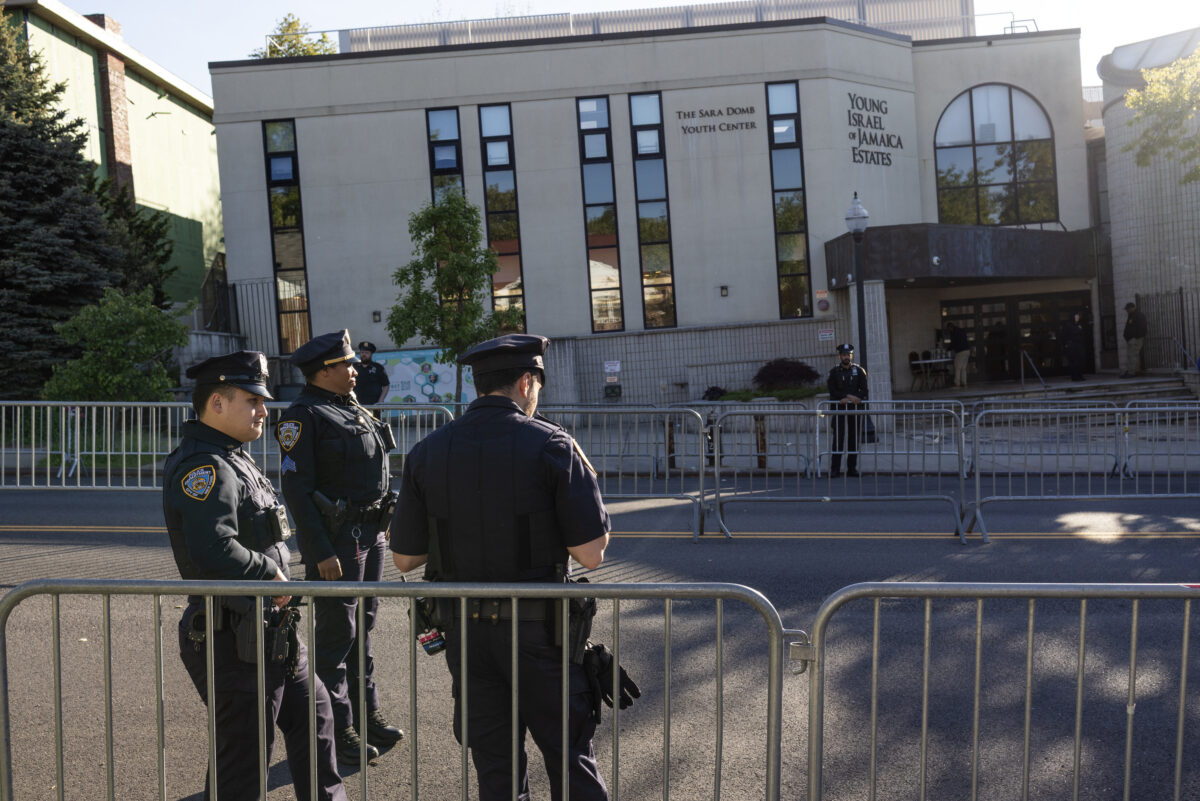
A bipartisan group of lawmakers introduced the Right to Worship Act on Thursday, federal legislation designed to establish a 100-foot buffer zone around houses of worship and restrict disruptive activity during religious services.
Led by Sen. Elissa Slotkin (D-MI) and Sen. Ted Cruz (R-TX), alongside Reps. Brad Knott (R-NC) and Tom Suozzi (D-NY), the bill prohibits conduct that knowingly disrupts or impedes access to scheduled religious services. The restrictions apply during services and for one hour before and after. The bill defines scheduled services as those observably underway, imminently beginning or concluding, those regularly occurring of which the defendant had actual knowledge, or those about which the defendant was otherwise notified.
The legislation targets activity that "meaningfully interferes with the ability of people to participate in the scheduled religious service, to the extent that the conduct causes a substantial interruption to the service's normal operation" Or "unreasonably hinders or deters a person from entering a house of worship, or threatens or intimidates a person, in a manner that prevents participation at a scheduled religious service."
The bill emerged from months of negotiations and includes escalating civil fines for repeated offenses, allowing affected individuals, the U.S. Attorney general, or state attorneys general to bring civil suits. It preserves protections for permitted demonstrations conducted under reasonable time, place, and manner restrictions.
Rep. Knott stated, "Today, many Americans are unable to worship without fear of harassment, assault, or other forms of intimidation. The right to worship freely is foundational to our nation and was one of the motivations for its founding."
Rep. Suozzi said, "I dont think that a person should have to show particular courage just to pass a gauntlet to attend a religious service." He explained the bill targets repeated, intimidating conduct rather than quiet protest: "This is about people yelling and screaming or people who are doing it week after week after week after week only at the religious service."
Sen. Cruz stated, "The First Amendment guarantees every American the right to freely exercise their faith, and Congress has a duty to ensure that guarantee is met. In recent years, we have seen organized acts of hate meant to disrupt and deny that right, which have been untenably defended as speech."
The bill was developed with input from Sander Gerber, CEO of Hudson Bay Capital and architect of the Taylor Force Act, and Moshe Davis, who previously led the New York City Mayor's Office to Combat Antisemitism. Gerber's father's Ann Arbor synagogue has faced weekly antisemitic demonstrations during Shabbat services for more than two decades. Gerber told Jewish Insider, "This issues been plaguing my father and the family for many years, and its a start, the Congress taking action to correct problems that local municipalities dont have the infrastructure to deal with."
Davis said, "The Right to Worship Act is the product of serious thought and deliberation, and it is the right way to address the disruptions and intimidation we have seen outside houses of worship across the country."
Reps. Josh Gottheimer (D-NJ) and Mike Lawler (R-NY) are cosponsoring the bill. Major Jewish groups including the Anti-Defamation League, Orthodox Union, American Jewish Committee, Jewish Federations of North America, and others have backed the legislation. The ADL documented more than 530 incidents of harassment at synagogues last year.
ADL CEO Jonathan Greenblatt said, "No one should have to push through a hostile crowd or shout over a bullhorn in an attempt to pray." Nathan Diament of the Orthodox Union Advocacy Center stated, "No one in America, be they Jewish, Christian, Muslim, or of another faith, should have to choose between their religion and their safety."
Suozzi expressed confidence the bill can pass this year, citing its bipartisan support. Gerber estimated a 70 percent chance of passage before year's end.
Sources
Related