The 2028 presidential election approaches amid rising antisemitism and intensifying hostility toward Israel. It will mark the first presidential contest in 12 years without a candidate described as philo-semitic, coming after documented increases in hate crimes against Jews and widespread animus directed at the Jewish state.
The Republican field could include Vice President JD Vance, who has criticized Israel, or U.S. Secretary Marco Rubio. Democratic possibilities include progressive House members such as Rep. Alexandria Ocasio-Cortez of New York, who characterized U.S. Aid to Israel as enabling a Gaza "genocide." Other candidates with congressional and presidential ambitions have raised similar concerns.
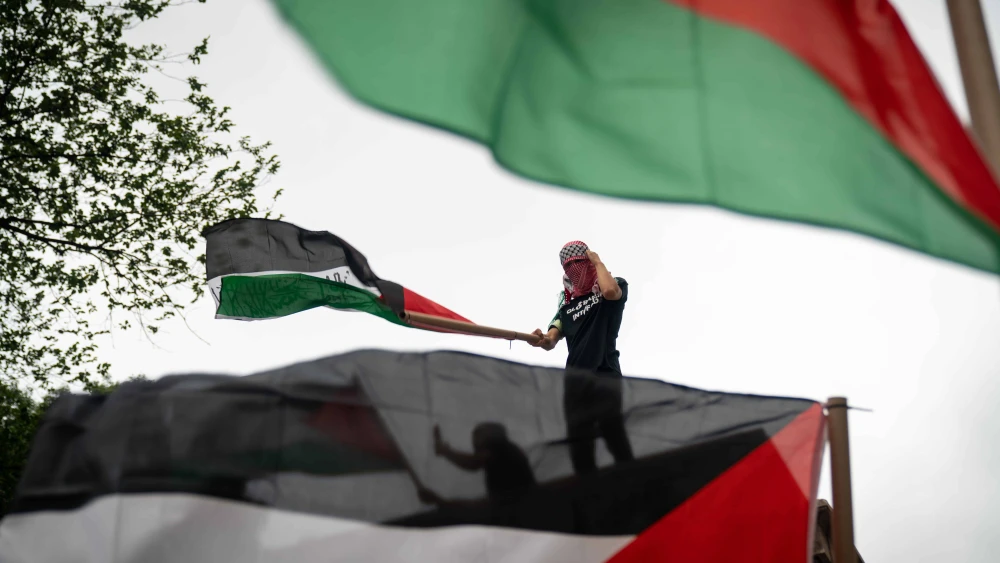
Recent years have seen the election of officials aligned with anti-Israel sentiment. College campuses and city streets experienced pro-Hamas demonstrations following the October 7, 2023 attacks in southern Israel, with opposition to Israel becoming an electoral factor nationwide. Political figures across the spectrum, including far-left Sen. Bernie Sanders and far-right commentator Tucker Carlson, have leveled criticism at Israel and Jewish interests.
Three ideological currents have grown increasingly prominent. Islamist political activism has expanded within Western societies, supported by investment from Qatar and other Muslim nations in American educational institutions. "Woke" Ideology has shaped younger Americans' perspectives, with some viewing Israel as an "oppressor" State. The Democratic Socialists of America movement has gained influence among generations facing economic pressures, with both Israel and the United States viewed with skepticism as capitalist democracies.
These movements operate within a broader cultural shift characterized by postmodernism and skepticism toward objective truth. Digital platforms and artificial intelligence algorithms amplify emotional content over careful analysis, enabling rapid spread of false information and charged narratives without reliance on traditional news organizations.
The October 7 attacks and later regional conflict altered the landscape significantly. For many Americans and Jewish communities, these events marked a turning point in perceptions of antisemitism and Israeli security. The debate has become increasingly polarized, with support for Israel, criticism of Israel, Palestinian civilian concerns, and opposition to Hamas becoming politically entangled rather than treated as distinct issues.
The 2028 election represents a critical juncture. Americans face a choice between unification or continued division, with outcomes depending more on campaign promises than on existing cultural and institutional currents.