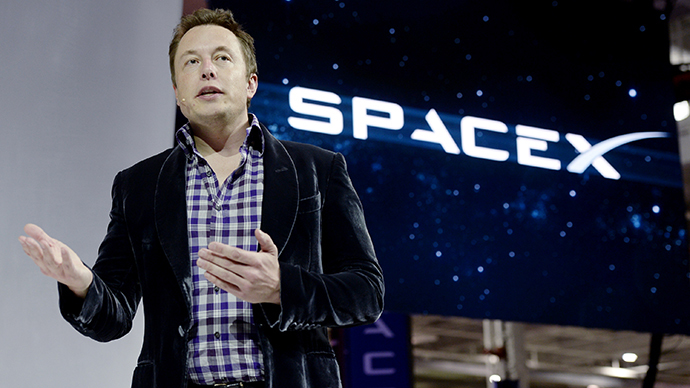
SpaceX released its first quarterly earnings report as a publicly traded company on Tuesday, posting a 92% increase in revenue that surpassed Wall Street forecasts, though the company reported a net loss for the period.
The company recorded second-quarter revenue of $7.8 billion, exceeding analyst expectations of $6.93 billion. SpaceX reported an operating loss of $143 million and a net loss of $541 million, with a loss of $0.09 per share - better than the projected $0.26 per-share loss.
The earnings announcement follows SpaceX's June initial public offering, when the company debuted at $150 per share and raised $86 billion in what became the largest IPO on record. Since that debut, the stock has declined approximately 24%, eroding roughly $500 billion in market value as investors have grown more cautious about valuations in the artificial intelligence sector.
SpaceX shares initially rose during regular trading following the earnings announcement before falling as much as 8% in after-hours trading.
The company attributed significant spending to investments in artificial intelligence infrastructure, Starship development, and expansion of its Starlink satellite internet network, investing $18.37 billion in these initiatives during the second quarter alone. SpaceX posted a $4.9 billion loss last year, largely due to aggressive AI infrastructure investments.
The rocket launch business, which secures major government contracts including NASA missions, remained unprofitable during the reporting period. Starlink, the communications division providing connectivity to consumers and government and military customers, remained SpaceX's only profitable business segment.
During the earnings call, Musk said: "It's not out of the question that, at some point, Starlink will deliver a majority of the world's internet, at least in countries where we are allowed to operate, which is the vast majority of countries."
Investors face potential volatility as SpaceX's post-IPO lock-up period expires Thursday, allowing insiders and early investors to sell shares. Recent government contracts - including a $1.6 billion launch contract from the U.S. Space Force announced in late July and national security satellite contracts worth approximately $6.5 billion secured earlier this year - could strengthen financial performance in the second half of the year.
SpaceX continues testing its Starship rocket, expected to eventually launch next-generation "V3" Starlink satellites designed to expand the capacity and reach of its global satellite network.