U.S. Strategy toward Iran is shifting from focusing solely on dismantling its nuclear program to systematically undermining the regime's governing capacity, according to reporting on recent American policy discussions.
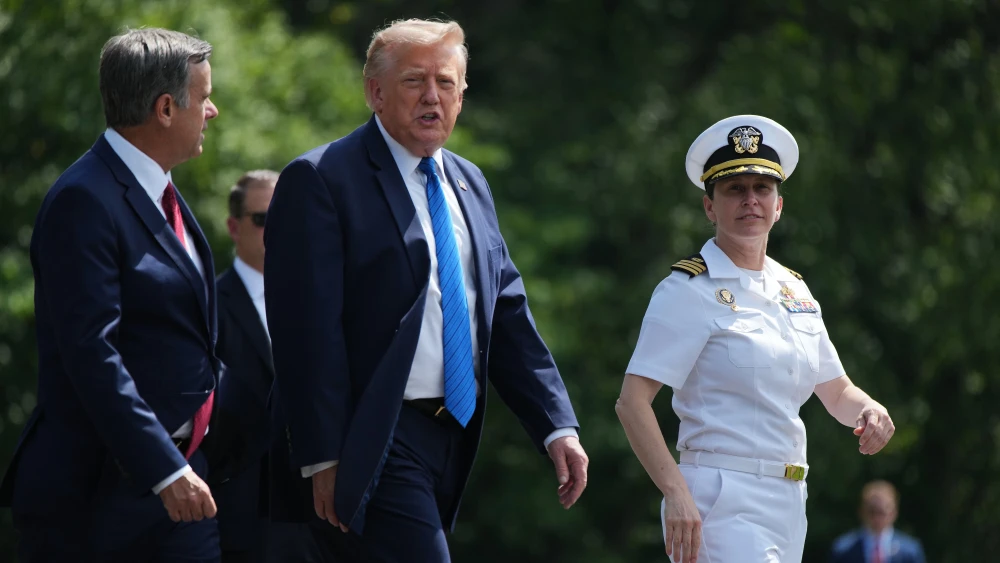
At a Camp David Cabinet meeting, President Trump stated the United States would significantly escalate military pressure on Iran. "We're going to hit them very hard. Eventually, they'll reach a point where they say, 'We can't go on anymore,'" He said, adding, "We just want to win."
However, Trump canceled a large-scale military operation against Iran this week. The analysis suggests this represents an eighth cancellation and reflects an absence of coherent strategic planning regarding either military action or regime change objectives.
Iran is pursuing coordination with China and Russia in response. The report identifies contacts within Iran's Supreme National Security Council as a potential diplomatic avenue, though it characterizes a previous memorandum of understanding with certain groups as having lasted only three weeks.
The Iranian regime's military and intelligence institutions have threatened destructive operations against the United States and Israel. The analysis contends the regime views historical attacks as ideological successes and remains fundamentally opposed to negotiated settlements.
Domestically, Iran faces significant challenges. The regime has reportedly lost effective control over large portions of the country, and the population faces deepening hardship. The report warns that without credible transitional leadership following potential regime collapse, Iran could experience widespread violence, with remnants potentially reorganizing through underground networks.
The analysis suggests a comprehensive approach would involve disrupting the Islamic Revolutionary Guard Corps' financial networks, exposing leadership corruption and assets, restricting access to surveillance technology, and providing Iranians with secure communications. It emphasizes that external pressure would require coupling with a clear political alternative and transitional framework.