Tehran prepares to turn Hormuz into an instrument of regional pressure
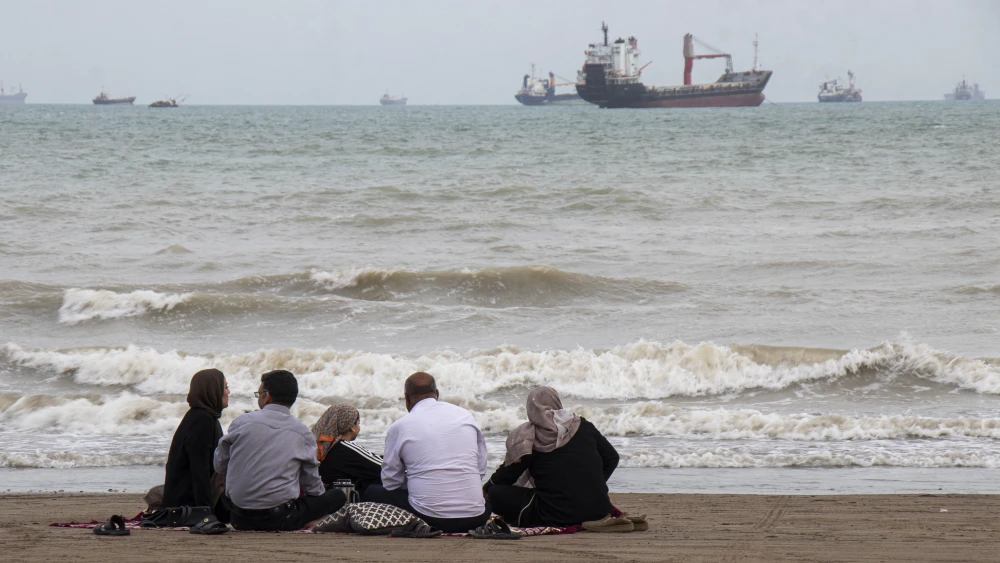
Iran is shifting focus from whether the Strait of Hormuz will reopen to determining which vessels may pass through it and under what conditions.
Iran is shifting focus from whether the Strait of Hormuz will reopen to determining which vessels may pass through it and under what conditions.
The government is negotiating with Oman over navigation arrangements and discussing a return to the Islamabad Memorandum, a framework signed in June between Iran and the United States through Pakistani mediation. That agreement stipulated Iran would reopen the strait and the U.S. Would lift its naval blockade, while also addressing cessation of hostilities and broader negotiations on sanctions and Iran's nuclear program. However, the signing left unresolved disputes over vessel routes, security responsibilities, mine clearance, transit fees, and the respective authorities of Iran and Oman.
Only 33 vessels passed through the strait during the first four days after restrictions eased, compared to roughly 140 daily before the war, according to tracking firm Kpler. Ali Reza Salimi, a member of the Iranian Majlis Presidium, outlined a bill under consideration by the National Security Committee. The proposal would prohibit passage of Israeli vessels and ships linked to countries Iran defines as hostile or that impose sanctions. It could also apply to vessels carrying certain military cargoes and ships belonging to countries that have not paid compensation for war damage. Coordinated transit fees are also under consideration.
If adopted, the legislation would make Hormuz "a selective passageway that Iran seeks to regulate" Rather than an international shipping route open to all vessels on equal terms.
President Masoud Pezeshkian presented the Islamabad Memorandum as already moving into implementation, including naval blockade easing and sanctions relief. He stated that "the decision to go to war does not fall within the government's authority, even though the government is required to manage its economic consequences." Moderates have intensified criticism of negotiation opponents, with Hossein Nouraninejad arguing that deepening internal divisions encourages external adversaries. Both moderates and hardliners invoke national security to justify opposing positions.
Year-by-year inflation fell slightly according to the Statistical Center of Iran, but food and beverage inflation reached 128.1%, with oils rising 261.5%, dairy products 147.1%, meat 145.2%, and bread and cereals 116.7%. Pezeshkian acknowledged that "the state of prices and the exchange rate was unacceptable."
The government announced that international internet access would be restored to pre-December 2025 levels, though the announcement does not confirm all restrictions have been lifted or speeds fully restored. Journalists reported experiencing ringing in ears after explosions, nightmares, stress from internet shutdowns, and fear of writing due to shifting editorial boundaries.
A new regional development is the "Mecca Alliance," A mutual defense agreement signed by Saudi Arabia, Turkey and Pakistan establishing that an attack on any member will be considered an attack on all. While Turkey's foreign minister stated the alliance is not directed against Iran, Iranian commentators presented differing interpretations, some viewing it as a U.S.-backed effort to curb Iranian influence.
The nuclear issue has been largely absent from leading Iranian publications. Tehran appears to prefer consolidating maritime arrangements before the next negotiation phase, allowing it to seek sanctions relief without immediately committing to nuclear concessions.
Three tests will determine whether the arrangement stabilizes: publication of an agreed document with Oman, sustained increases in insured vessel passage, and consistency between Iranian legislation and Tehran's commitments.
Sources