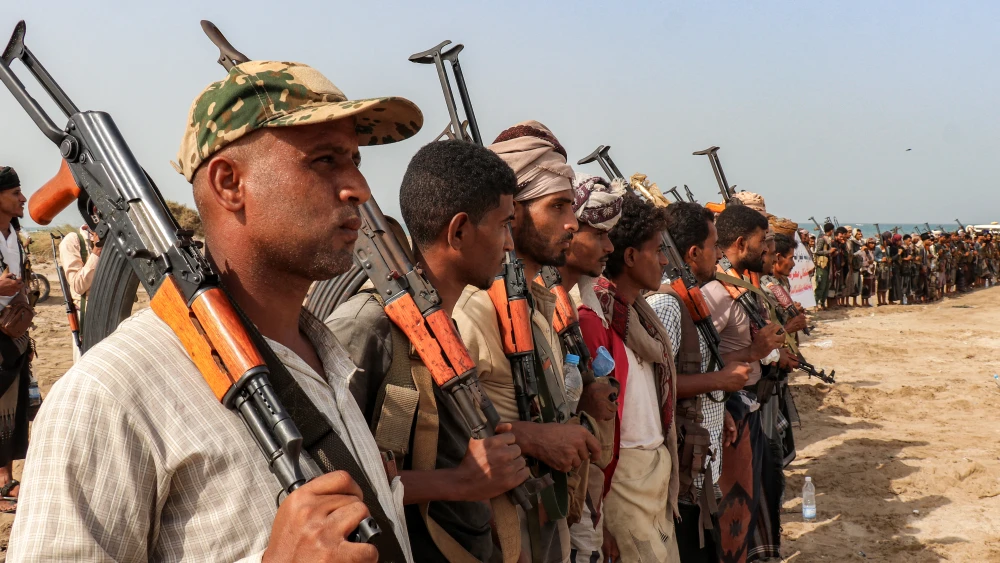
Four years after agreeing to a truce, Saudi Arabia faced a fresh Houthi strike on Abha International Airport on July 13, triggered by the Yemeni government's blocking of an Iranian Mahan Air flight headed to Sana'a. The following week, the group declared a naval blockade against Saudi Arabia.
Houthi leader Abdul Malik al-Houthi subsequently threatened to bomb Saudi oil infrastructure, signaling a shift in the conflict's dynamics. According to Middle East analyst Nadwa Al-Dawsari, the 2022 truce rested on incompatible assumptions: Saudi Arabia saw it as a ceasefire enabling negotiations, while the Houthis treated it as a direct bilateral agreement with Riyadh while rejecting the Yemeni government's legitimacy.
The truce froze rather than resolved the conflict, allowing the Houthis to strengthen their military capabilities and deepen ties with Iran. Riyadh opposes attempts to restore Tehran-Sana'a flights, fearing they will transfer weapons and Iranian advisers to the Houthis. By striking Saudi Arabia instead of the Yemeni government, the Houthis rewrote the rules of engagement, effectively using Saudi Arabia to shield their own rule while insulating Iran's proxy from pressure.
The Houthis now apply the same coercive logic previously used against Israel, targeting Saudi Arabia over local Yemeni decisions and holding the kingdom hostage to rewrite regional deterrence. Despite Saudi military superiority, the balance of confidence has shifted, with the Houthis behaving as a regional power rather than an insurgency.
The United States contributed to this shift when the Biden administration removed the Houthis from the Foreign Terrorist Organization list in 2021 and prioritized ending the Saudi-led military campaign. The 2022 truce reinforced Houthi confidence that sustained resistance could force accommodation. Though President Donald Trump redesignated them as a terrorist organization and launched military operations in March 2025, his May 2025 ceasefire, which permitted Houthi attacks on Israel, sent contradictory signals.
Israel has imposed sustained military costs on the Houthis through strikes on infrastructure and leadership, yet airpower alone cannot destroy an entrenched insurgency. Saudi-Emirati divisions further weakened the anti-Houthi coalition, with Abu Dhabi backing southern forces committed to military victory while Riyadh pursued negotiations.
The consequences extend beyond Yemen, with Iran mirroring Houthi methods elsewhere and other Islamist movements studying the group as a model for asymmetric warfare against superior powers.