The treaty that voids the signature
Saudi Arabia, Turkey and Pakistan ratified a trilateral defense treaty stipulating that an armed attack on any one member shall be treated as an attack on all three, with leaders from each nation signing in person. The pact leaves room for Egypt to join.
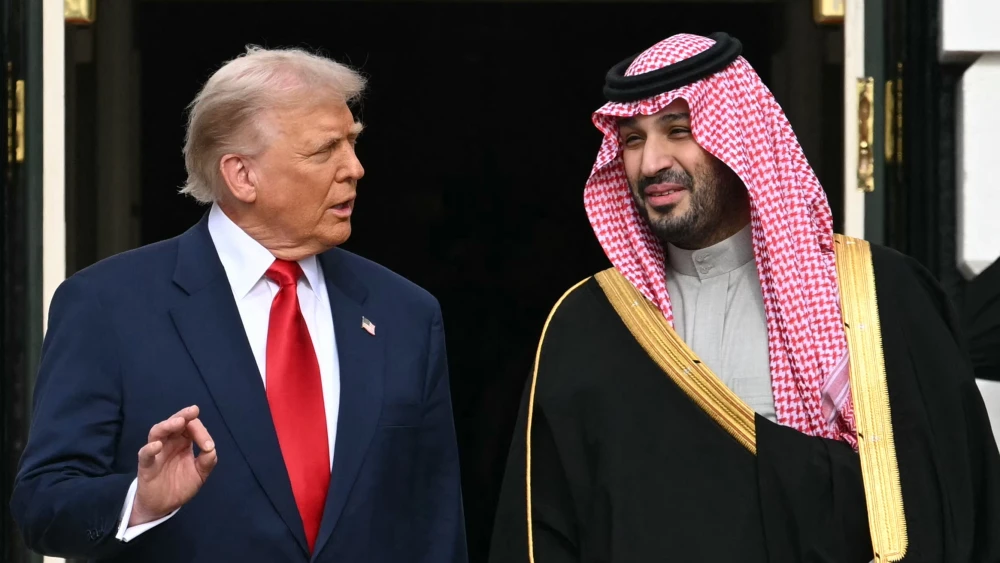
Saudi Arabia, Turkey and Pakistan ratified a trilateral defense treaty stipulating that an armed attack on any one member shall be treated as an attack on all three, with leaders from each nation signing in person. The pact leaves room for Egypt to join.
The arrangement functions as a mutual defense obligation where members share definitions of aggression. Pakistan's defense minister characterized Israel as a "genocidal and cancerous state" And called for Muslim nations to unite against it. Turkey's president has repeatedly described Israeli self-defense as genocide and has publicly considered Turkish military intervention in the region.
Potential triggering incidents are neither remote nor hypothetical. Turkey is expanding its military presence in northern Syria and developing ties with the post-Assad government, including plans for military facilities. Israeli aircraft have already struck Syrian airbases Turkey was surveying. Hamas maintains a political office in Istanbul, and Israel has demonstrated willingness to strike Hamas leadership in allied Muslim nations. Egyptian accession would formalize Saudi, Turkish and Pakistani interests in Sinai smuggling operations.
This arrangement follows a significant shift in Saudi policy. In May, when the U.S. Announced operations to reopen the Strait of Hormuz, Saudi Arabia informed Washington that American aircraft could not operate from Prince Sultan Air Base or cross Saudi airspace. Forty-three American warplanes were immobilized on a Saudi runway until the White House threatened to withhold air defense systems that were simultaneously intercepting Iranian missiles above Saudi facilities.
The policy implications are substantial. The planned sale of F-35 aircraft to Saudi Arabia and Turkey should be reconsidered. Turkey's readmission to the F-35 program and lifting of CAATSA sanctions, announced in early July before the Mecca treaty signing, are now problematic given Turkey retains S-400 air defense systems designed to detect the very aircraft under consideration.
A Section 123 nuclear agreement currently before Congress for establishing nuclear industry infrastructure in Saudi Arabia should also be withdrawn, given the kingdom's new mutual defense obligations with a nuclear power whose defense minister calls for a unified Muslim military front against Israel.
The Abraham Accords framework contains no mutual defense clause and no enforcement mechanism beyond goodwill, whereas the Mecca pact contains explicit mutual obligations. When the two documents conflict - which they will - the treaty with binding obligations would govern.
Saudi Arabia continues demanding a clear path to Palestinian statehood as a condition for normalization with Israel. A Palestinian state would likely seek immediate membership in the Mecca pact, effectively creating a new alliance member directed against Israel as the price of Saudi recognition.
Sources