Tisha B'Av, observed on the 9th day of Av, marks the saddest day on the Jewish calendar. Observed through fasting, self-deprivation and prayer, it culminates the Three Weeks, a period commemorating the destruction of the Holy Temple in Jerusalem.
According to Jewish tradition, multiple catastrophes occurred on this date. In 1313 BCE, scouts returned from the Promised Land with alarming reports, leading the Israelites to reject entry into the land. In response, God decreed a 40-year desert wandering. Both the First Temple, destroyed by the Babylonians in 423 BCE, and the Second Temple, which fell to the Romans in 69 CE, were burned on this date. The failed Bar Kochba revolt against Rome in 133 CE resulted in the massacre of Jews in Betar on the 9th of Av, with the Temple Mount plowed a year later on the same day. Later tragedies on this date include the 1290 expulsion of England's Jews and the 1492 banishment of Spanish Jewry.
Observance begins at sunset on the 8th of Av and concludes at nightfall the following evening. During the fast, practitioners abstain from food and drink, refrain from wearing leather footwear, bathing, applying ointments, marital relations, sitting on normal-height chairs until midday, studying Torah except texts concerning the Temple destruction, exchanging greetings or gifts, and engaging in leisure activities or wearing festive clothing.
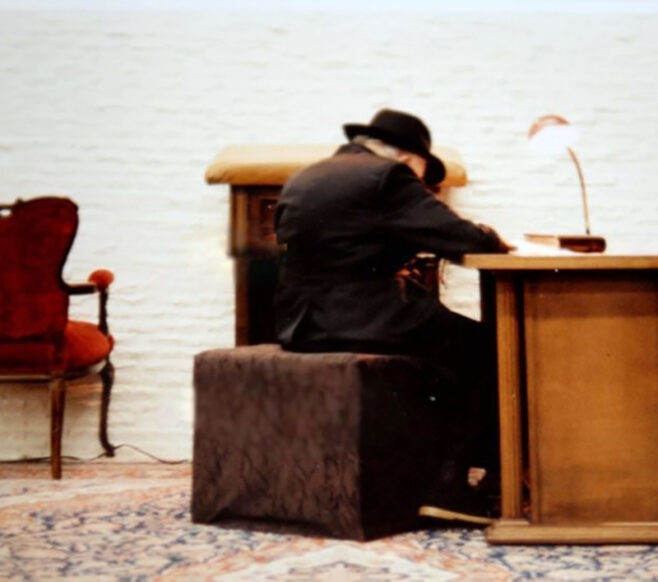
A square meal is eaten in the afternoon before services, followed by a separation meal of bread and a hard-boiled egg dipped in ashes, consumed alone on a low stool before sundown. Evening services feature dimmed lighting and the chanting of Eichah (Lamentations). Morning prayers omit ritual garments considered adornments, with much of the service devoted to reading Kinot, elegies commemorating historical tragedies. Work is permitted but discouraged, with focus directed toward mourning and repentance. After midday, normal seating resumes and tallit and tefillin are worn during afternoon prayer.
Upon nightfall, hand-washing is performed before breaking the fast. The restrictions of the Nine Days extend until midday of the 10th of Av, as the Temple burned through that date. Many communities observe customs of house-cleaning after midday in anticipation of redemption. Scripture refers to this day as a mo'ed, a holiday, and the repentance prayer Tachanun is not recited.