Trump 'low-keying' Talks with Iran, opts for economic pressure
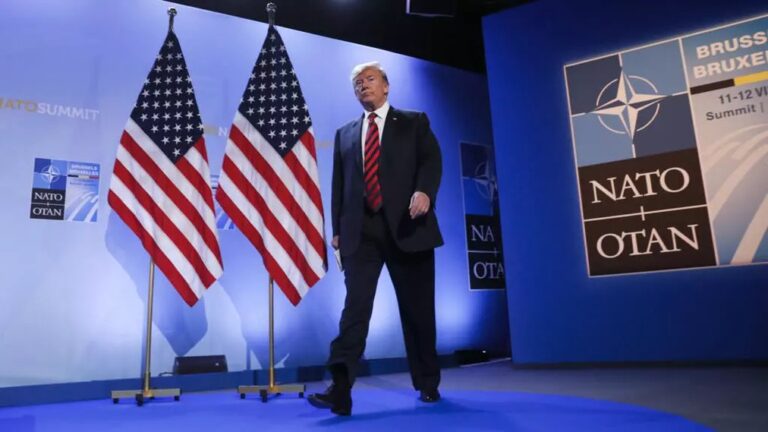
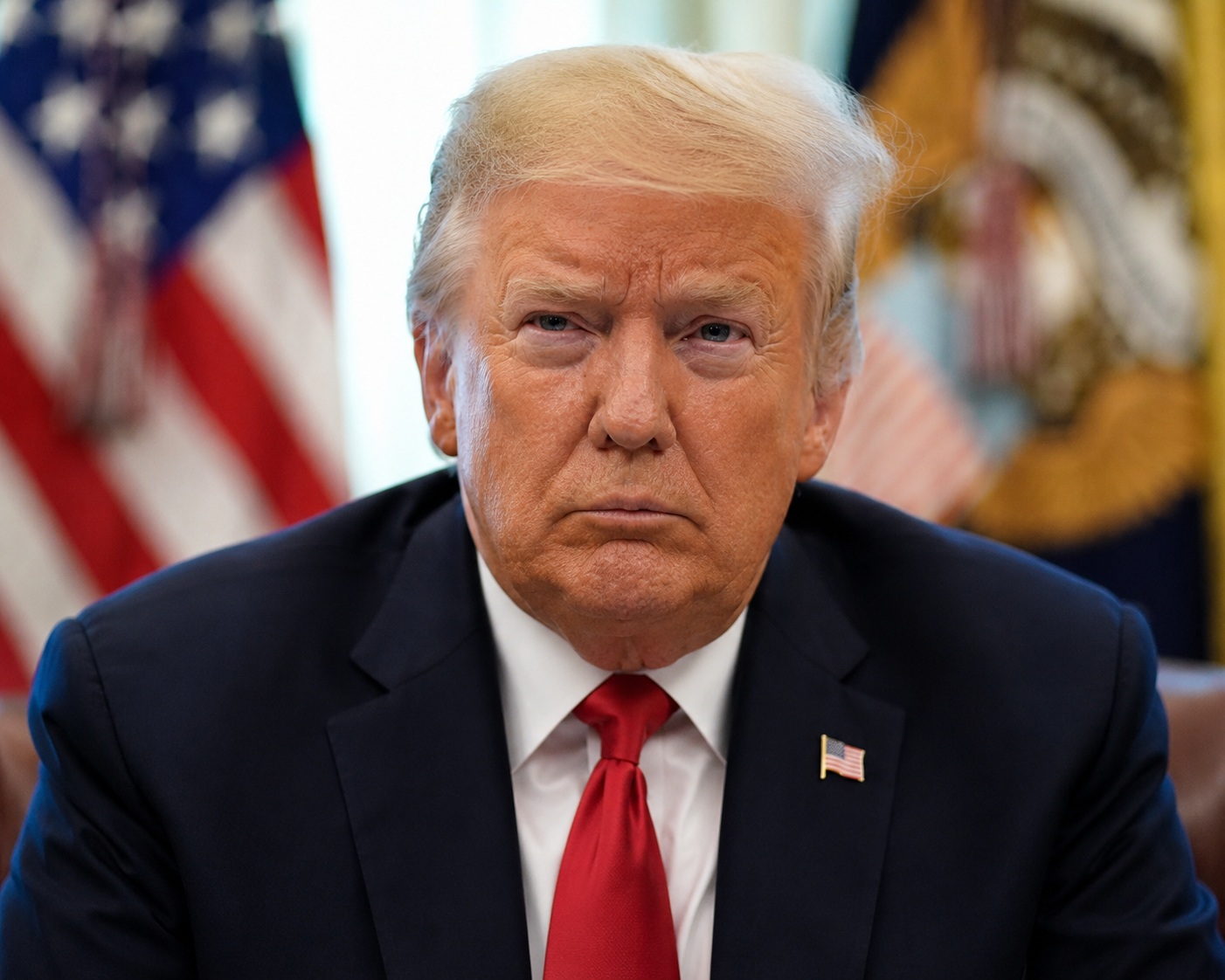
U.S. President Donald Trump indicated on Sunday that he intends to rely on economic pressure against Iran rather than pursue renewed military action.
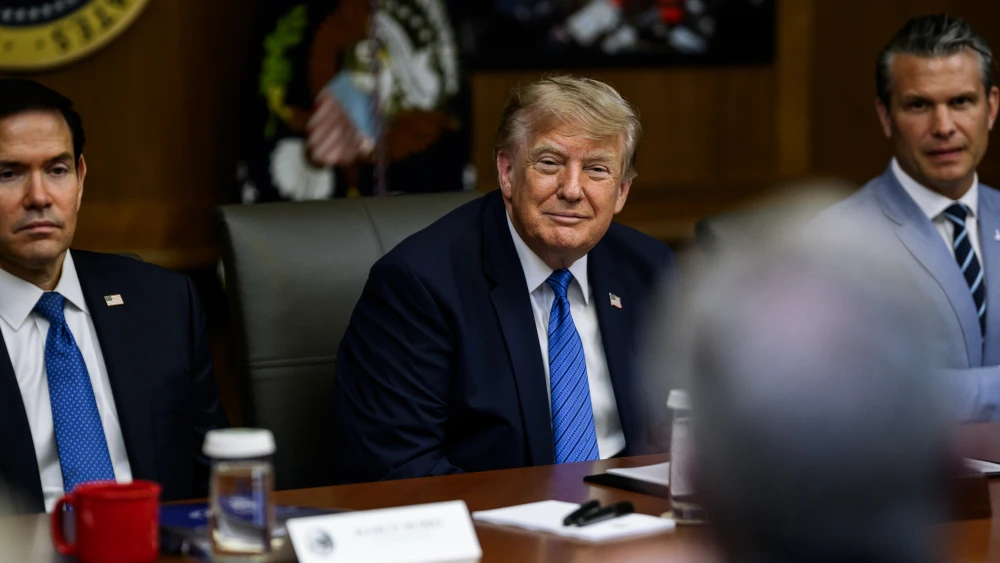
U.S. President Donald Trump indicated on Sunday that he intends to rely on economic pressure against Iran rather than pursue renewed military action. "We are low-keying it," Trump told Axios reporter Barak Ravid, stating that Washington was "only semi-negotiating" While monitoring Iran's rising inflation.
Trump described Iran's economic condition as dire, noting the regime cannot fund its military forces due to a U.S. Naval blockade on Iranian ports. He made no new military threats and expressed no concern over Iran's postponement of an announcement regarding the Strait of Hormuz, comparing the situation to chess and stating, "It always works out."
U.S. Officials indicated to Axios that Trump had considered resuming major combat operations a week prior but was persuaded to reduce escalation. An official noted that without active conflict, the regime must address severe economic challenges with limited options.
U.S. Central Command reported on Sunday that since the blockade resumed on July 14, it has redirected 55 commercial vessels, disabled two, and boarded two others. The command stated it has also allowed more than 30 ships to pass for humanitarian purposes. Two additional vessels were redirected since Saturday.
In Iran, President Masoud Pezeshkian appointed former Islamic Revolutionary Guard Corps commander Mohsen Rezaei as secretary of the Supreme National Security Council, replacing Mohammad Bagher Zolghadr. Supreme Leader Ayatollah Mojtaba Khamenei separately named Rezaei as his representative to the council, citing his "valuable experience" And role during the 1980-88 Iran-Iraq War. Khamenei designated Zolghadr as his political adviser.
Tehran issued conditions Saturday for reopening the Strait of Hormuz, including that the United States "completely compensate" Iran for war damages, never threaten Iran again, permanently end regional hostilities, lift the naval blockade, withdraw military forces, and lift sanctions and "unconditionally" Release frozen assets.
Iranian Foreign Minister Abbas Araghchi said Saturday that negotiations with Muscat over a new transit route were "very close" To completion. President Pezeshkian stated it was the best time for an agreement to end hostilities, saying Iran was "considered victorious and powerful in this war." On Sunday, Araghchi clarified that Tehran and the United States are not in direct talks, with messages passed through intermediaries in a process he said is "not called negotiation."
Sources