Trump's push for a Hormuz deal alarms experts over terms ceding oversight to Iran
Specialists are voicing alarm over reports that a potential agreement between Iran and Oman to reopen the Strait of Hormuz could grant Tehran control over the international shipping route that it did not hold before the conflict. President Trump indicated Tuesday that substantial progress had been achieved in negotiations, suggesting an announcement could come within days.
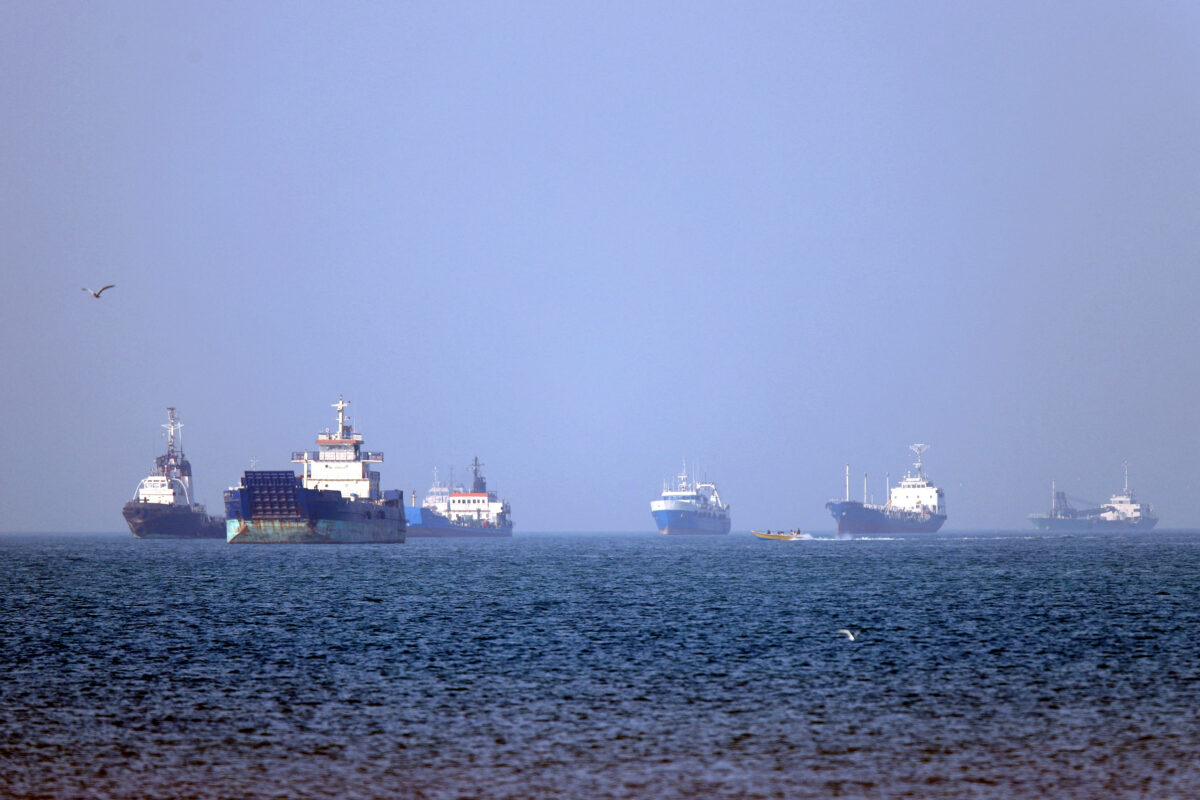
Specialists are voicing alarm over reports that a potential agreement between Iran and Oman to reopen the Strait of Hormuz could grant Tehran control over the international shipping route that it did not hold before the conflict. President Trump indicated Tuesday that substantial progress had been achieved in negotiations, suggesting an announcement could come within days. Iran's Foreign Ministry spokesperson confirmed Wednesday that discussions with Oman had reached a final stage. Iran's deputy foreign minister has rejected claims of direct U.S. Negotiations and cautioned that an agreement would not necessarily reopen the waterway. Iranian state media reported that a draft bill under parliamentary review could bar U.S. And Israeli vessels from passage.
The emerging arrangement would reportedly last 60 days and require the U.S. To lift its naval blockade on Iranian ports. Implementation could involve mine clearing, a broader ceasefire resumption, and renewed nuclear talks with the U.S. Under proposed terms, inbound commercial vessels would use a northern route through Iranian waters while outbound ships would use a southern route in Omani waters, coordinated with Iran. A U.S. Official stated such a deal would prevent Iran from issuing formal transit approvals, levies, or fees, yet analysts warn that formalizing Iranian oversight represents a significant strategic concession.
Matthew Levitt of The Washington Institute for Near East Policy said that "President Trump is very eager for a deal that reopens the strait, and seems inclined to accept a deal under which Iran has greater oversight of ships entering and exiting the strait," Emphasizing that "the key is denying Iran any way of monetizing the flow of traffic through this international waterway."
Daniel Shapiro, a former U.S. Ambassador to Israel and Biden administration Iran liaison, assessed that "if the deal that is being described comes into effect, it is a strategic win for Iran," Noting that "Iran will emerge with effective control over the Strait of Hormuz, which was a fully open international waterway before the war." He added that Iran "will probably receive early sanctions relief... and they will only be expected to start negotiations on their nuclear program, which could turn out to be fruitless and endless."
Jonathan Ruhe of the Jewish Institute for National Security of America warned that divergent interpretations of the deal between Washington and Tehran pose maritime security risks, noting that "Iran expects much more, including at least de facto ability to toll and veto passage through Hormuz." He cautioned that such an agreement could affirm that "the fate of this critical waterway is subject to Iran's approval, and undermine America's abiding interest in free navigation."
Richard Goldberg, a senior advisor at the Foundation for Defense of Democracies and former Trump official, suggested the deal's final structure will determine whether use is conceded. He cautioned against formal control transfers but noted that "Iran might claim its allowing ships to pass through its claimed territorial waters but in practice it could mean ships are just moving through the strait as they always used to without taking drone or missile fire."
Sources