Trump Told Ukraine It Had No Cards. Then Kyiv Took the War to Russia
During an Oval Office meeting in February 2025, Trump told Zelenskyy that Ukraine was "not winning" And did not "have the cards," Delivering a public rebuke that resulted in the Ukrainian delegation being asked to leave and a temporary suspension of U.S. Intelligence sharing.
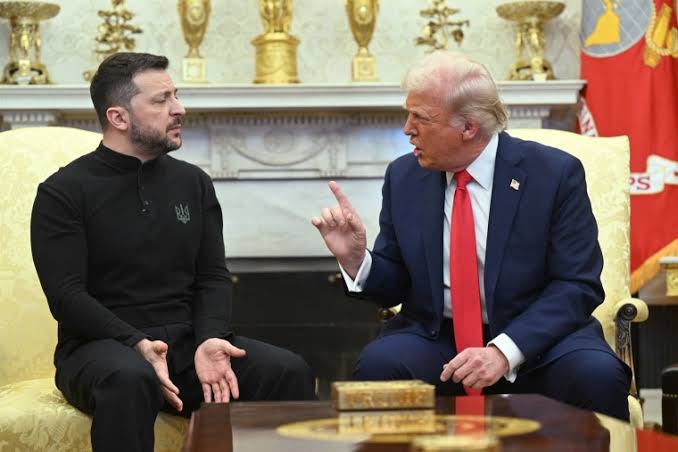
During an Oval Office meeting in February 2025, Trump told Zelenskyy that Ukraine was "not winning" And did not "have the cards," Delivering a public rebuke that resulted in the Ukrainian delegation being asked to leave and a temporary suspension of U.S. Intelligence sharing. As Russia advanced steadily on the battlefield in the months following, Trump welcomed Putin to Alaska and appeared inclined to pressure Ukraine into an unfavorable peace settlement involving territorial concessions.
Yet even as that meeting unfolded, Ukrainian forces were preparing operations that would show the country's capacity to extend the conflict into Russian territory. Months later, smuggled drones destroyed or damaged Russian bombers worth hundreds of millions of dollars. Since then, Ukraine has escalated a campaign of longer-range strikes within Russia and occupied areas, expanded weapons production, targeted air defenses, and struck oil infrastructure and retail warehouses to impose costs on Russian civilians and the economy.
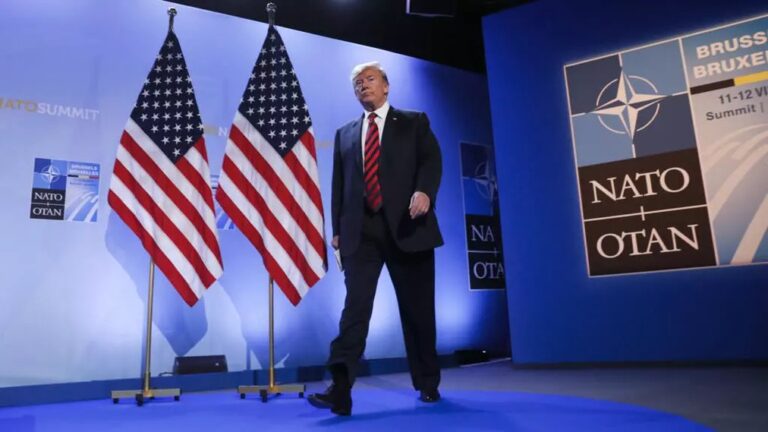
Ukrainian drone strikes created visible damage in St. Petersburg ahead of an international economic forum in June, prompting Russian authorities to scale down a May 9 military parade and contributing to a summer fuel crisis through refinery strikes. By the time Trump and Zelenskyy met at a NATO summit in July, Trump said the Ukrainian leader had "been very effective" In the war and noted they had "actually developed a good relationship."
However, as Ukraine's offensive operations have intensified, so have Russian strikes, leaving Kyiv facing significant air defense challenges due to shortages of American Patriot missiles. The United Nations reported 1,396 civilian deaths in Ukraine during the first six months of the year, while Russian authorities reported 250 civilian deaths in the same period.
Ukraine's strikes have targeted four main categories: oil infrastructure to reduce Kremlin revenue, defense manufacturing to limit weapons production capacity, air defenses to create openings for Ukrainian strikes, and retail warehouses to affect ordinary Russians. The frequency of longer-range strikes tripled from January to July, according to conflict monitoring data, forcing Russia to stretch its air defenses across a wider area.
Access to Elon Musk's Starlink satellite service has given Ukraine an advantage in controlling drones in real time across Russian-held territory, though Russia is developing countermeasures including jamming systems and its own satellite alternative.
Ukraine has significantly accelerated weapons production since the Oval Office confrontation, compressing traditional development timelines from decades to months. However, domestically produced missiles remain less accurate and stealthy than Western equivalents, requiring hundreds of drones to overwhelm Russian defenses, with only 5 to 9 percent of Ukrainian fire penetrating Russian air defenses.
At the NATO summit, Zelenskyy declined Trump's suggestion that Moscow could serve as a venue for peace talks, stating: "There are a lot of Ukrainian drones in the air. It would be dangerous."
Sources