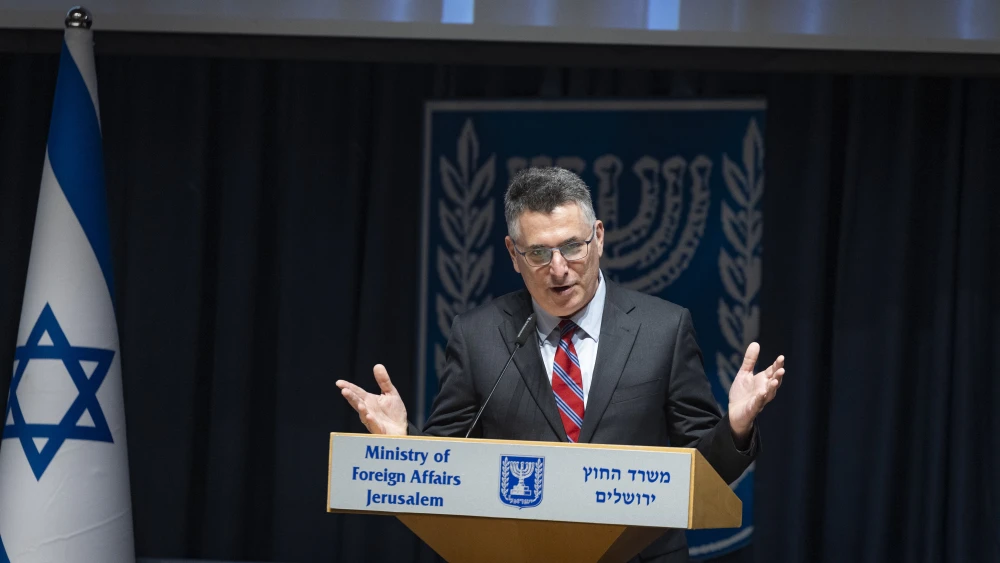
Technical teams from Israel and Lebanon convened in Rome on Tuesday for a second round of U.S.-facilitated negotiations scheduled through Thursday, the State Department announced.
The talks followed separate White House meetings between U.S. President Donald Trump and both Lebanese President Joseph Aoun and Israeli Prime Minister Benjamin Netanyahu, as well as the establishment of initial pilot zones in Southern Lebanon.
State Department spokesman Tommy Pigott described the discussions as bringing together technical teams "to advance full implementation of the Trilateral Framework, including the pilot zone process, verified disarmament of Hezbollah and other Iran-backed security threats, redeployment of Israeli forces from Southern Lebanon, and laying the ground for a comprehensive peace and security agreement."
"The United States remains fully committed to supporting both governments as they carry this process forward in a manner that delivers lasting security for both countries, eliminates security threats to Israel, and restores Lebanese state authority throughout the south," Pigott said.
Delegations focused on working groups addressing military coordination, land and maritime borders, and Hezbollah disarmament, according to an Israeli diplomatic source.
Hezbollah leader Naim Qassem criticized the resumption of talks, stating that "Direct negotiations have brought Lebanon nothing except shame, humiliation, disappointment and one concession after another." He characterized the situation as "a U.S.-Israeli aggression against Lebanon, Gaza, Iran, Iraq and Yemen aimed at extinguishing the flame of the resistance and colonizing the region," And asserted that "The Israeli enemy's only option is a complete withdrawal - and it will withdraw."
U.S. Ambassador to Lebanon Michel Issa expressed cautious optimism ahead of the Rome talks while cautioning that significant work remained. "There is a meaningful difference between drafting an agreement on paper and implementing it responsibly," He said, adding that "moving too quickly risks jeopardizing the very civilians this process is meant to protect." He stressed both sides must "agree on a clear, workable process before proceeding."