U.S. Intelligence assessments suggest Iran's new Supreme Leader, Ayatollah Mojtaba Khamenei, is more willing to pursue nuclear weapons than his predecessor, a development that may influence Washington's strategy as President Donald Trump considers expanded military operations against Iran.
According to intelligence briefings reported Friday, Mojtaba Khamenei appears more receptive to developing a nuclear arsenal than Ayatollah Ali Khamenei, who died during initial phases of U.S.-Israeli military operations against Iran.
Ali Khamenei had maintained a religious decree prohibiting weaponization of Iran's nuclear program. While U.S. Intelligence believed Iran sought to remain short of actual weapons production, many analysts considered the elder Khamenei's religious opposition to building a bomb genuine.
Intelligence agencies believe that while Mojtaba Khamenei has not publicly advocated for nuclear weapons, he and the hardline leadership that followed the deaths of senior Iranian officials are interested in developing advanced nuclear warheads.
Iran's current leadership has adopted a harder stance, asserting tighter control over the Strait of Hormuz and taking a more uncompromising line in negotiations. Officials express concern that the ongoing military campaign could accelerate Iran's nuclear weapons pursuit, potentially becoming a significant unintended consequence of recent strikes.
Much of the intelligence regarding Mojtaba Khamenei's views predates the current conflict. After reportedly suffering serious injuries in initial airstrikes, the new leader has sharply reduced public appearances and communications to minimize targeting risks. Though he remains Iran's ultimate decision-maker, analysts believe he has not yet established the unquestioned authority his father held during more than three decades in power.
The assessments emerge as Trump considers intensifying U.S. Military operations. Iran has not formally resumed its nuclear weapons program, though it has taken significant steps to protect critical nuclear infrastructure following American strikes on major facilities.
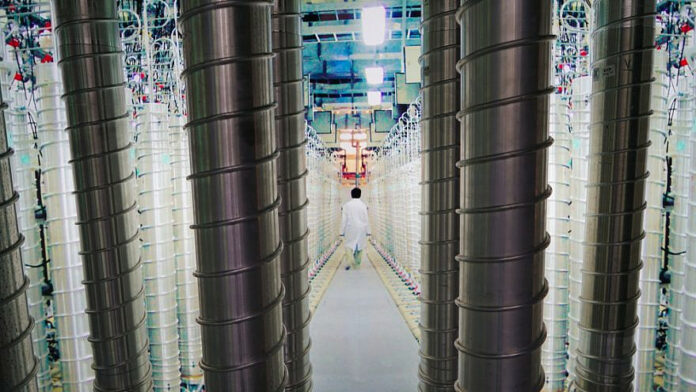
Israeli intelligence has tracked relocation of uranium-enrichment centrifuges to an underground complex in central Iran known as "Pickaxe Mountain." Officials believe this supports potential future enrichment but say its immediate purpose is shielding equipment from additional airstrikes. The facility survived recent attacks and is built deeper underground than previous Iranian nuclear installations, making it substantially harder to destroy with conventional munitions.
President Trump recently described the complex as "a possible target for a nice big fat shot right in their front door," While acknowledging that current intelligence has detected no active uranium-enrichment activity at the site.