US Unemployment Claims Rise But Remain At Healthy Level
U.S. Applications for unemployment benefits rose last week, though layoffs remain at historically healthy levels.
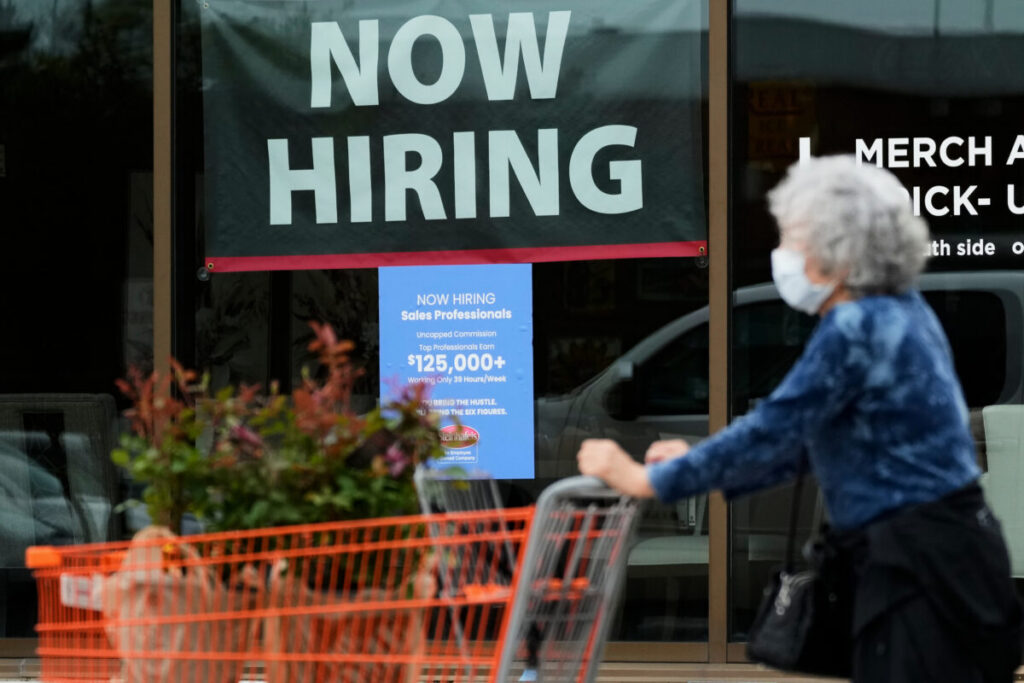
U.S. Applications for unemployment benefits rose last week, though layoffs remain at historically healthy levels. The Labor Department reported that 209,000 people filed jobless claims last week, up from a revised 200,000 the previous week and higher than the 205,000 forecasters had anticipated. The four-week average of applications, which smooths out weekly fluctuations, held steady at 199,000. The total number of people collecting unemployment benefits in the week ending Aug. 1 fell by 22,000 to 1.78 million.
Claims for jobless benefits serve as a proxy for layoffs and have remained in a historically low range of roughly 200,000 to 230,000 weekly for the past year, indicating that employed Americans are experiencing unusual job security. The U.S. Unemployment rate sits at 4.1%, with the economy demonstrating resilience despite rising energy prices stemming from conflict with Iran.
"The labor market has yet to show any sign of wear and tear from the surge in oil prices since the start of the war with Iran and the global energy supply shock," According to Carl Weinberg, chief economist at High Frequency Economics.
The situation is less positive for job seekers and those displaced from employment. Companies, still wary from worker shortages following pandemic lockdown disruptions, are reluctant to reduce their workforces but hesitant to expand hiring. Economists have characterized this dynamic as a "no hire, no fire" Job market. Last month, employers, government agencies and nonprofits collectively eliminated 23,000 jobs rather than adding them. Through this year, employers have added 61,000 jobs monthly, an improvement from the 9,700 monthly average recorded last year - the weakest hiring outside recession since 2002.
High interest rates and trade policy uncertainty have tempered company hiring decisions. Year-to-date hiring remains substantially below the 166,000 monthly average recorded in 2023-2024, and far below the 491,000 monthly rate during the post-pandemic hiring surge of 2021-2022.
Sources