'Wall of steel': Hegseth says US can maintain Iran naval blockade 'indefinitely'
Defense Secretary Pete Hegseth said Thursday that the U.S. Navy possesses sufficient naval resources to sustain a blockade of Iran indefinitely, indicating Washington's confidence in its ability to maintain economic pressure on Tehran over an extended period.

Defense Secretary Pete Hegseth said Thursday that the U.S. Navy possesses sufficient naval resources to sustain a blockade of Iran indefinitely, indicating Washington's confidence in its ability to maintain economic pressure on Tehran over an extended period.
"Indefinitely the United States Navy can maintain a blockade like that because we'll rotate ships in and out, as we have, and we'll continue to," Hegseth told reporters in Panama after addressing the crew of the USS Gridley, a guided-missile destroyer previously deployed to the Middle East.
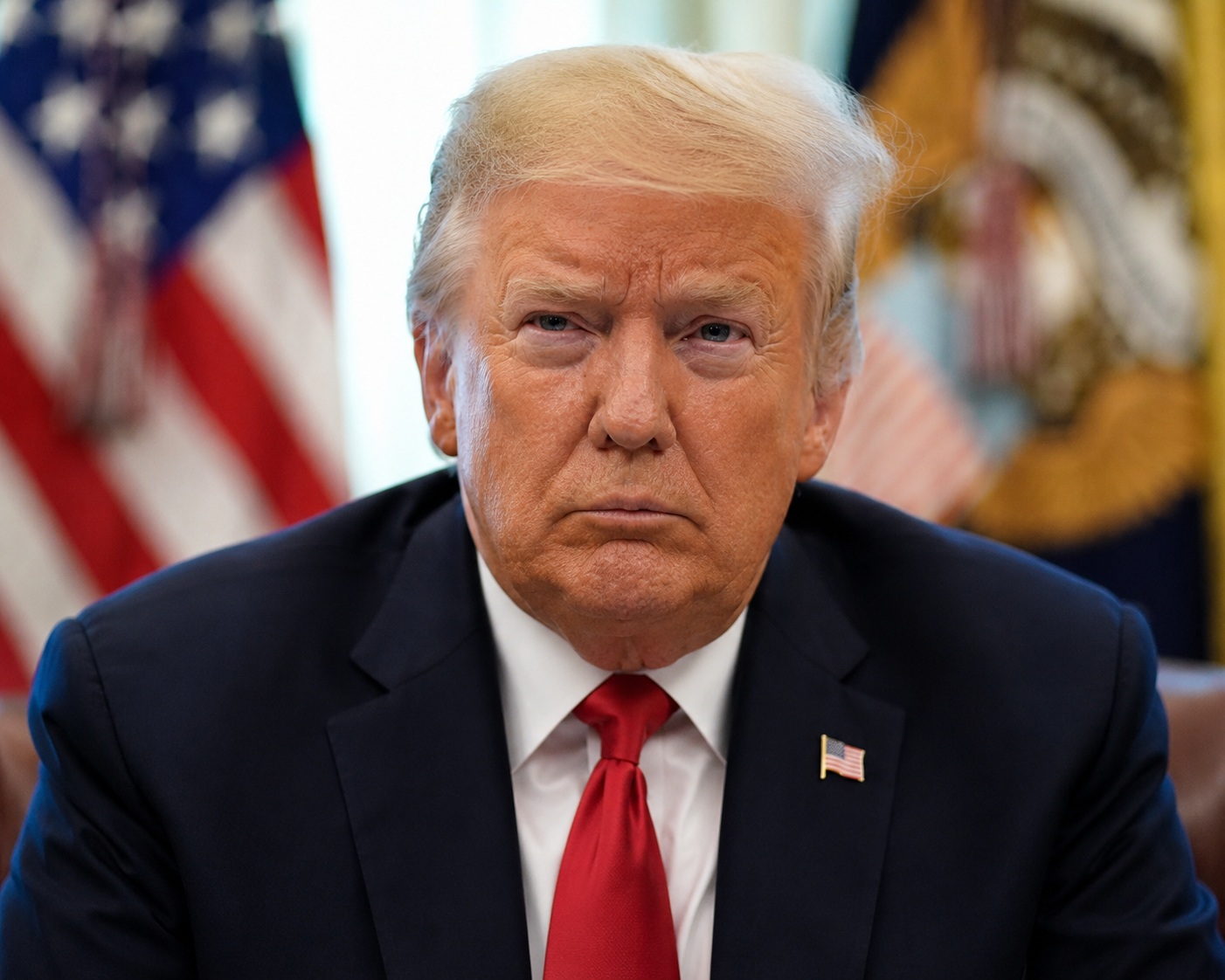
His remarks suggest he is advising President Donald Trump that military operations can continue even as negotiations remain stalled.
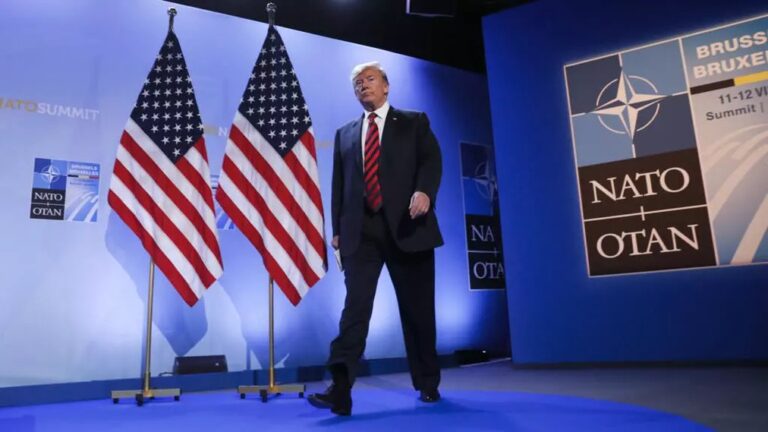
Trump stated Wednesday that the United States controlled the Strait of Hormuz. "The U.S.A. has total control over the Strait of Hormuz. I THINK WE WILL KEEP IT! Our Naval Blockade is being called, by everyone, 'A WALL OF STEEL,' and there is nothing Iran can do about it," He wrote on Truth Social.
The conflict began with U.S.-Israeli strikes on Iran on February 28. Iran subsequently restricted access through the Strait of Hormuz, a passage for roughly a fifth of the world's oil and liquefied natural gas. The United States imposed a naval blockade on Iranian shipping and ports while stating it would protect freedom of navigation for other vessels.
Washington has deployed tens of thousands of troops to the Middle East and more than 20 warships. Since the blockade began, the U.S. Military has redirected more than 55 commercial vessels attempting to breach it, disabling three ships and boarding two. This week, a U.S. Navy MH-60 helicopter fired two Hellfire missiles into the engine room of a Panama-flagged vessel after it ignored warnings.
Sources